
How to Share Music News: A Practical 2026 Guide
TL;DR:
- Sharing music news effectively involves strategic timing, platform-specific formats, and genuine community engagement. Artists should use smart links, pitch early to blogs, and personalize outreach to media outlets. Building authentic relationships in niche communities helps sustain momentum and improves coverage chances.
Sharing music news effectively is the practice of distributing artist updates, releases, and announcements through the right channels, at the right time, to the right people. For hip-hop artists and music followers, this means combining smart digital tools, well-timed pitches, and genuine community engagement. Generic posts and mass emails do not move the needle. What works is a repeatable system built on platform knowledge, relationship building, and content that gives editors and fans a reason to pay attention. Lit Nightz News covers exactly this kind of ground for independent artists building their presence in the rap world.

How to share music news: the tools and platforms that matter
The foundation of any music news campaign is a smart link setup that captures email intent before release and switches to live streaming links after the drop. That single tool turns a release moment into a data-gathering system. You collect fan emails pre-release, then redirect the same link to Spotify, Apple Music, or Bandcamp once the track is live. No broken links. No lost clicks.
Social media platforms each serve a different function. Threads, for example, is not an announcement board. Treating Threads as an announcement board leads to ignored posts. What works on Threads is sharing opinions on a new album, asking questions about production choices, or posting about the creative process. That kind of content builds followers who actually care when you do drop news.
Streaming platform dashboards like Spotify for Artists and Apple Music for Artists give you pitch access to editorial playlist curators. These are separate from blog pitches and require their own lead time. Submit tracks for playlist consideration at least seven days before release through each platform’s native pitch tool.
| Tool category | Primary use | Key feature |
|---|---|---|
| Smart links | Pre-release and live distribution | Email capture, click analytics |
| Streaming dashboards | Playlist pitching | Editorial submission, stream data |
| Social platforms | Fan engagement and community | Real-time conversation, reach |
| Download platforms | Press and media access | Bandcamp download codes, social proof |
| Press release services | Media outreach | Formatted distribution to outlets |
Pro Tip: Test every link in incognito mode on mobile before sending any pitch. Editors skip pitches that require a login or throw up an access barrier.
When and how to pitch music news to blogs and media outlets
Timing is the most common mistake independent artists make when pitching. Blog pitches need a 2–4 week lead time before the release date. Miss that window and most editors have already filled their editorial calendar. Send too early and the story feels premature.
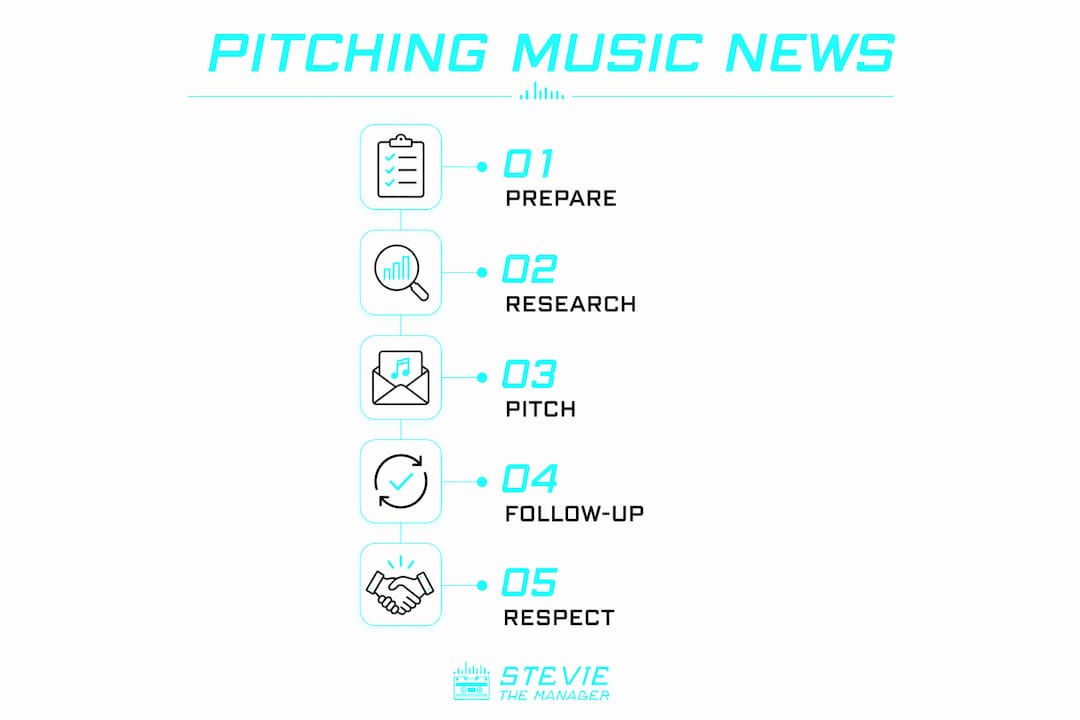
A strong pitch follows the inverted pyramid structure used in journalism. The most important information comes first: track title, release date, streaming link, and one sentence on why this release matters. Everything else, including the bio and backstory, comes after. Press releases work best under 400 words with streaming links placed above the artist biography. Editors read fast. Give them what they need in the first three lines.
Personalization separates pitches that get replies from ones that get deleted. Spending focused time on 50 curated contacts outperforms sending 500 generic emails every time. Research the writer. Reference a recent piece they published. Explain specifically why your release fits their coverage. That takes more time, but the reply rate reflects it.

Here are the core rules for pitching music news to media:
- Lead with the streaming link, not the bio
- Keep the subject line under 10 words and make it specific
- Address the editor or blogger by name
- Reference one of their recent articles to show you did your research
- Send one follow-up email five to seven days after the initial pitch, then stop
- Use stable links. Bandcamp download codes are reliable and show social proof through user icons displayed on the release page
- Never send a pitch with an expired or login-gated link
Excessive follow-ups damage your reputation with editors. One reminder is professional. Two or more reads as pressure, and editors remember that.
How do you engage with music communities to boost news sharing?
Community engagement is the most underused method to disseminate music news. Music promotion in 2026 prioritizes long-term relationships in micro-communities over cold pitching. That means showing up in hip-hop forums, Discord servers, Reddit threads, and niche blogs before you need anything from them.
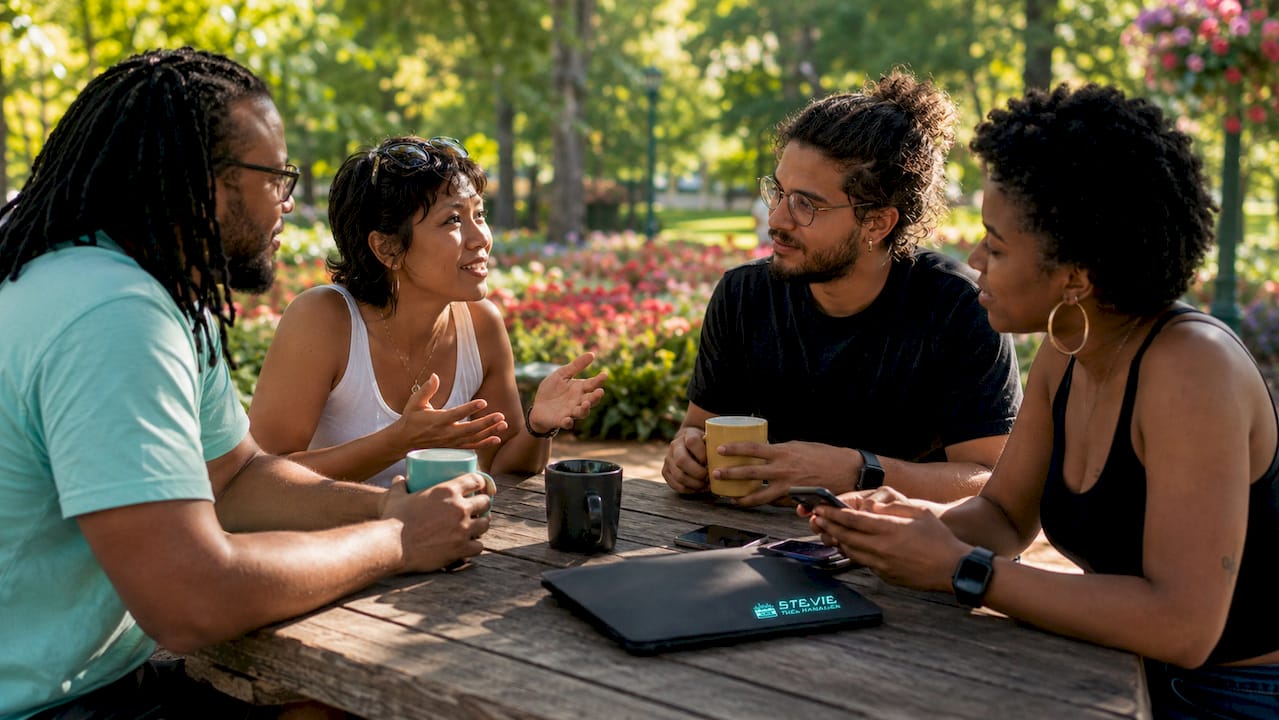
The approach that works is simple: give before you ask. Share other artists’ releases. Comment on producers’ posts with genuine feedback. Participate in conversations about albums, samples, and industry news. Sharing a curator’s work and engaging in their communities before pitching increases reply rates. Curators notice who supports their platform, and that recognition translates into warmer responses when you do reach out.
Fan engagement in hip-hop culture runs deeper than likes and shares. Understanding hip-hop fan engagement means recognizing that fans want to feel connected to the creative process, not just the finished product. Post about recording sessions, sample choices, or the story behind a lyric. That content generates the kind of conversation that makes your next announcement land harder.
Pro Tip: Respond to every comment on your music posts for the first 48 hours after dropping news. Early engagement signals tell platform algorithms the post is worth showing to more people.
Building social currency in music communities takes months, not days. The artists who get covered consistently are the ones who were already part of the conversation. They are not strangers showing up with a press release. They are recognized voices who happen to have a new release.
What makes music news content and announcements actually work?
The inverted pyramid structure applies to social posts, not just press releases. Lead with the most important fact: the release date, the track name, or the streaming link. Context and backstory come after. Most readers decide in the first two seconds whether to keep reading.
Announcements that drive action include a specific call to action. “Save this track on Spotify” outperforms “check out my new music” because it tells the listener exactly what to do. “Drop a comment with your favorite line” generates more engagement than “let me know what you think.” Specificity works.

Platform-specific formatting matters. An announcement built for Instagram needs a strong visual and a short caption. The same news on Threads works better as a short opinion or question tied to the release. A music marketing workflow that accounts for each platform’s format prevents you from posting the same generic content everywhere and wondering why it underperforms.
Avoid these common mistakes in music announcements:
- Posting “new music out now” with no link, no context, and no visual
- Using a streaming link that requires the listener to log in
- Writing a bio-heavy announcement that buries the release date
- Skipping a press photo or cover art in the post
- Announcing without tagging collaborators, producers, or featured artists who can reshare
The artists who get covered by blogs and playlists treat every announcement like a mini press release. They include the track name, release date, streaming link, and one compelling sentence about the music. That sentence is not a sales pitch. It is a specific detail that makes an editor or fan curious enough to click.
Key Takeaways
Effective music news sharing combines precise timing, platform-specific content, and genuine community relationships to reach fans and media with real impact.
| Point | Details |
|---|---|
| Use smart links from day one | Set up pre-release email capture and switch to live streaming links on release day. |
| Pitch blogs 2–4 weeks early | Missing the editorial window is the most common and most avoidable pitching mistake. |
| Personalize every media pitch | Research each contact and reference their work; 50 targeted pitches outperform 500 generic ones. |
| Engage communities before pitching | Build relationships in niche hip-hop spaces before you need coverage or shares. |
| Lead announcements with the link | Put the streaming link and release date first; save the backstory for the second paragraph. |
What I have learned about sharing music news as an independent artist
The biggest mistake I see independent hip-hop artists make is treating music news sharing as a one-time event. You drop the track, post about it for two days, and then move on. That is not a strategy. That is a missed opportunity.
What actually builds momentum is consistency over weeks, not a single announcement. The artists I have watched grow their reach in underground hip-hop do not just announce releases. They build context around them. They talk about the creative decisions behind the music, the producers they worked with, the samples that inspired them. By the time the release drops, their audience already feels invested.
Timing and personalization changed everything for me when it came to pitching. Sending a pitch to a blogger who covers trap production when your track is a boom-bap instrumental is a waste of both your time and theirs. Researching who covers what, and writing a pitch that reflects that research, is the difference between a reply and silence.
The hip-hop community rewards authenticity. Fans and curators can tell when someone is just promoting versus when someone is genuinely part of the culture. Showing up in conversations about music industry trends and hip-hop history, not just your own releases, builds the kind of credibility that makes your news worth sharing. Promotion and participation are not opposites. The best artists do both at the same time.

— Stephanos G
Lit Nightz News: a platform built for hip-hop music promotion
Lit Nightz News covers hip-hop culture, artist news, and independent music releases for fans and industry followers who want more than mainstream coverage.
For independent artists looking to get featured and reach an audience that is already engaged with rap culture, Lit Nightz News offers a direct path to visibility. The platform publishes artist news, career updates, and music commentary rooted in the independent hip-hop world. If you are building your presence and want your releases covered by a platform that understands the culture, Lit Nightz News is where that conversation starts. Artists can also explore album promotion strategies to build a full release campaign around their submission.
FAQ
How far in advance should I pitch music news to blogs?
Pitch music blogs 2–4 weeks before your release date to avoid missing editorial windows. Most blogs plan their coverage calendar in advance and cannot accommodate last-minute submissions.
What should a music press release include?
A music press release should stay under 400 words and place the streaming link above the artist biography. Include the track title, release date, a short artist bio, and contact information.
How many follow-up emails should I send after a pitch?
Send one follow-up email five to seven days after your initial pitch, then stop. Excessive follow-ups damage your reputation with editors and reduce your chances of future coverage.
What is the best way to share music news on social media?
Engage with opinions, process content, and community conversations rather than posting pure announcements. On platforms like Threads, authentic engagement with music topics builds the audience that responds when you do share news.
Why do editors ignore music pitches with certain links?
Editors skip pitches that require a login or create any access barrier to hear the music. Use private but accessible links, such as a private SoundCloud stream or a Bandcamp download code, and always test links in incognito mode before sending.
Recommended
- What Is Music News Coverage: A Complete 2026 Guide
- Music marketing workflow for hip-hop artists in 2026
- Digital music promotion guide: boost your reach and fanbase
- How to release a hip-hop album in Canada: 2026 guide

No Comments