
16 Greatest Rap Songs About Basketball That’ll Get You Pumped for the Game (2025)
Looking for the greatest rap songs about basketball? The energy, competitiveness, and cultural significance of basketball shine through rap songs that celebrate this global sport with 825 million fans. The fusion of these two worlds has always captivated me.
Basketball and hip-hop share a deeper connection than most people imagine. This bond has grown stronger since hip hop overtook rock as America’s favorite music genre in 2017. The best basketball anthems range from Kurtis Blow’s “Basketball” to Drake and Future’s “Jumpman” – a tribute to Michael Jordan’s legendary logo. These songs resonate deeply with players and fans. “Space Jam” by Quad City DJ’s became a cultural phenomenon through Michael Jordan’s movie of the same name.

The saying “rappers want to be basketball players, and basketball players want to be rappers” rings true. You can see this crossover everywhere – from Lil Wayne’s heartfelt tribute to Kobe Bryant to Public Enemy’s “He Got Game” in Denzel Washington’s basketball film. Therefore, I’ve put together the 15 greatest basketball rap songs that will pump you up before you step on the court. This list offers something special for everyone, whether you’re prepping for a game or just love authentic hip-hop basketball tracks.
Basketball by Kurtis Blow
The groundbreaking track “Basketball” changed how hip-hop and sports connected after Kurtis Blow released it on his fifth album “Ego Trip” in 1984. As the first rapper signed to a major label and the first with a gold record, Blow created what we now call the ultimate anthem that brought basketball culture and rap music together.
Basketball by Kurtis Blow background
Blow’s inspiration came from an unexpected source. His then-girlfriend (later wife) told him, “You need to make a song about basketball, it’s the No. 1 sport for African-Americans and nobody has done it yet”. He teamed up with writer William Waring to create a track that would leave its mark on both music and sports history.
The production showed off some creative techniques for its time. The team used real basketball sounds in the percussion, and John Andariese, the legendary Knicks announcer, kicked off the track with “Now rapping at No. 1, Kurtis Blow!”. Alyson Williams, who later became an R&B star, sang the song’s catchy hook.
Basketball by Kurtis Blow basketball references
“Basketball” shines through its complete celebration of the sport’s greatest players. The lyrics give shoutouts to [25 basketball legends](https://en.wikipedia.org/wiki/Basketball_(song), including:
- Stars of that era: Magic Johnson, Larry Bird, Moses Malone, Kareem Abdul-Jabbar
- Past legends: Wilt Chamberlain, Willis Reed, Earl “The Pearl” Monroe
- Special moments like “the night Wilt scored 100 points”
The lyrics showcase basketball moves and plays like “slam dunks,” “alley-oop,” “pick-and-roll,” and “give-and-go”. This shows how much Blow loved and understood the game.
Why Basketball by Kurtis Blow pumps you up
The track’s energy comes from its upbeat celebration of basketball culture and its catchy beat. NBA Commissioner David Stern saw the song’s potential and used it in promotional videos. The league even made special videos featuring every player mentioned in the lyrics.
The song made such an impact that the NBA started flying Blow to games with low ticket sales. He would perform after these games to boost attendance. During his shows, Blow would get crowds fired up by asking, “What is the name of your favorite team?”. This created an electric atmosphere where fans connected through music and sport.

“Basketball” paved the way for today’s strong connection between hip-hop and the NBA. It has influenced fans and artists for generations and stays relevant even now—showing up on the NBA 2K12 soundtrack.
Kobe Bryant by Lil Wayne
Lil Wayne elevated basketball rap to new heights in 2009 with a track dedicated to NBA superstar Kobe Bryant. His status as a Los Angeles Lakers superfan inspired what became one of the most personal and celebrated basketball songs in hip-hop history.
Kobe Bryant by Lil Wayne background
Kobe’s electrifying performance in Game 6 of the 2009 Western Conference Finals against the Denver Nuggets sparked this iconic basketball rap. Bryant dominated the game with 35 points and 10 assists to clinch the series, which moved Wayne to create this musical tribute.
Bryant later shared the story: “He called me. He was like: ‘Man, that performance just motivated the hell out of me.’ [Wayne] was like: ‘I’mma do a song. Is it okay, can I do a song?’ I was like: ‘alright cool.'”
Wayne released the track on his 2009 mixtape “Tear Drop Tune 2” just before the Lakers faced the Boston Celtics in the NBA Finals. Bryant admitted he thought Wayne “was just BS-ing” at first, but the rapper delivered the completed song before the championship series started.
Kobe Bryant by Lil Wayne basketball references
Wayne masterfully blends basketball terminology with praise for Bryant’s skills throughout the track. His memorable lines include “Kobe doin’ work, 2-4 on my shirt / He the greatest on the court, and I’m the greatest on the verse”, drawing parallels between their dominance in their respective fields.
The song highlights:
- Bryant’s jersey numbers (8 and 24)
- His clutch performances and championship pursuits
- The “Black Mamba” nickname
- His signature moves (“crossover good, the turnaround jumper”)
Wayne performed an updated version at the BET Awards after Bryant’s tragic death in 2020. He added touching lines like “Heart goes out to Vanessa and the whole Black Mamba family” and “Two fingers for the Mambacita” to honor both Kobe and his daughter Gianna.
Why Kobe Bryant by Lil Wayne pumps you up
This track captures Bryant’s legendary work ethic and competitive spirit perfectly. It goes beyond celebrating athletic achievement and embodies the “Mamba Mentality” that inspired millions.
Wayne’s tribute continued on his 2020 album “Funeral.” The album featured 24 tracks and included a 24-second moment of silence at the end of track number 8 (“Bing James”) as a thoughtful tribute to Bryant’s jersey numbers.
Basketball players looking for pre-game motivation will find unmatched energy in this song. It beautifully connects the passion of hip hop basketball songs with Bryant’s relentless drive that made him an NBA legend.
Jumpman by Drake & Future

Drake and Future dropped “Jumpman” in 2015, and it quickly became a basketball rap anthem on their collaborative mixtape What a Time to Be Alive. The track’s name comes from Nike’s iconic Michael Jordan silhouette logo and celebrates basketball culture through hip-hop’s lens. The song peaked at #12 on the Billboard Hot 100.
Jumpman by Drake & Future background
The hit song marked Future’s breakthrough moment as his first top 20 entry on the Billboard charts. The song came together during a quick six-day session in Atlanta and made a huge impact. It earned [quadruple platinum certification](https://en.wikipedia.org/wiki/Jumpman_(song) with over four million units in combined sales and streaming.
The song shot into mainstream consciousness after an April 2016 Apple Music commercial showed Taylor Swift rapping along while dramatically falling on a treadmill. This viral moment, known as “Taylor vs. Treadmill,” sent downloads soaring by 431%.
The song’s cultural reach extended beyond music. Fans created a Doodle Jump-inspired game with Drake and Future characters. The track also featured in the opening credits of the 2016 film Central Intelligence.
Jumpman by Drake & Future basketball references
Basketball references flow throughout the track with:
- Direct Michael Jordan connections: “Chi-Town, Chi-Town, Michael Jordan just had text me”
- Shot-blocking references: “Mutombo with the b**ches, you keep getting rejected” (referencing NBA center Dikembe Mutombo)
- Signature moves: “I hit that Ginobili with my left hand up like woo” (referencing Spurs guard Manu Ginobili’s left-handed shooting style)
- Jordan Brand collaboration mentions: “Jumpman, Jumpman, they gave me my own collection” (referencing Drake’s OVO Jordan collaboration)
Why Jumpman by Drake & Future pumps you up
Metro Boomin’s production skills shine through as he balances intensity with accessibility. The beat makes listeners move instinctively – many people report unconsciously “dabbing” in their chairs the first time they hear it.
The track’s catchy chorus and basketball-inspired swagger create a perfect pre-game atmosphere. This combination embodies the competitive spirit that connects basketball and hip-hop cultures.
Heart of a Champion by Nelly
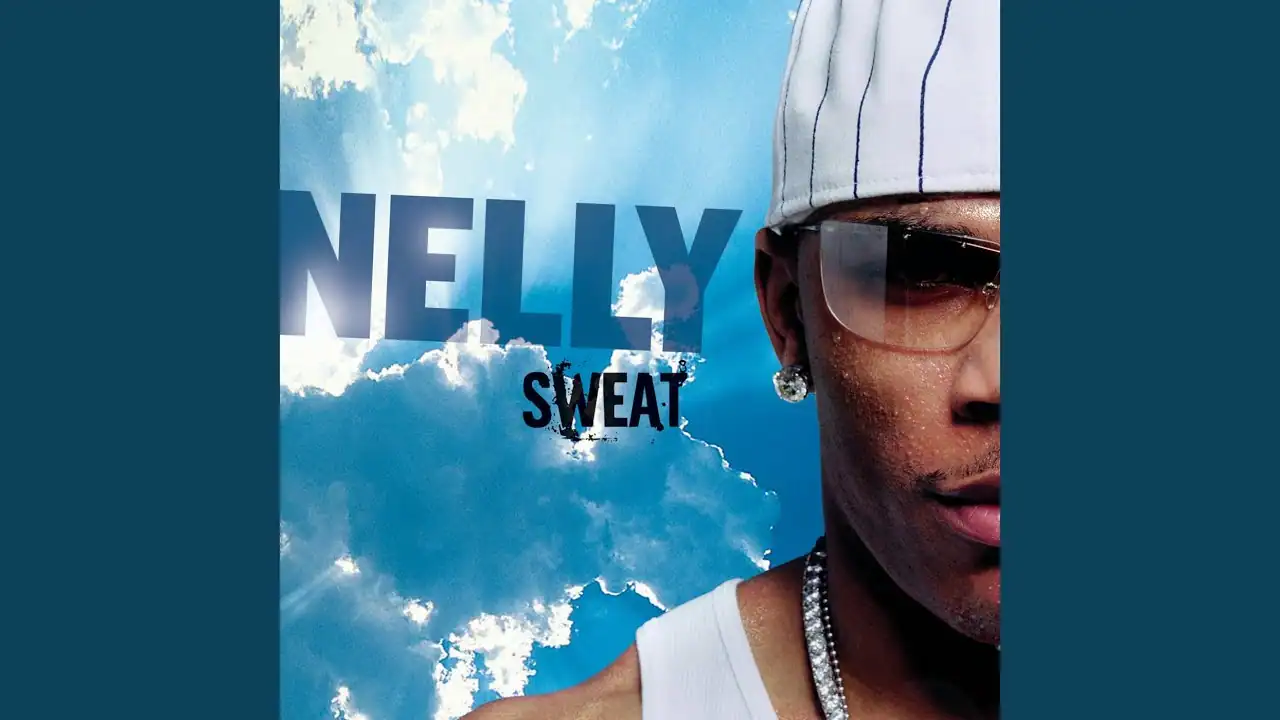
St. Louis rapper Nelly created an inspiring basketball rap anthem in 2004. He sampled the classic “NBA on NBC” theme song “Roundball Rock” by John Tesh for his track “Heart of a Champion”. The powerful track featured Lincoln University Vocal Ensemble and appeared on his studio album “Sweat” and compilation album “Sweatsuit”.
Heart of a Champion by Nelly background
Phil Duckett produced “Heart of a Champion”, which became a triumphant anthem about resilience and ambition. The song draws a clever parallel between Nelly’s rap career struggles and a professional athlete’s journey. The underdog story showcases what it takes to overcome adversity.
Basketball holds a special place in Nelly’s life. He shares a family friendship with NBA star Jayson Tatum and has known Tatum’s parents since high school. Tatum once said, “Nelly is maybe the most famous guy from St. Louis, until I can catch up”.

Heart of a Champion by Nelly basketball references
Nelly packed the track with basketball references. “I’m like Magic to Kareem, man you tell me I ain’t Worthy” cleverly names three Lakers legends in one line. The song mentions Michael Redd, Allen Iverson (A.I.), and Shaquille O’Neal (“me, A.I. and Shaq’n”).
The song goes beyond basketball. Nelly portrays himself as the “MVP of the game” with “intensity still the same”. He uses sports terms to show his music dominance. His confidence shines through lines like “I got the stats of a hall of famer—in just two records”.
Why Heart of a Champion by Nelly pumps you up
“Heart of a Champion” stands out from typical pre-game hype songs. Nelly explained: “This is almost like the final song to be played… after you got the win. It signifies, ‘OK, we did it'”.
A gym workout scene opens the song and sets its motivational tone. Nelly’s lyrics compare his grind to “dogfighting” and reference “Remember the Titans”. The result is one of the best rap songs about basketball that celebrates both the struggle and victory’s sweet taste.
Shoot Pass Slam by Shaquille O’Neal
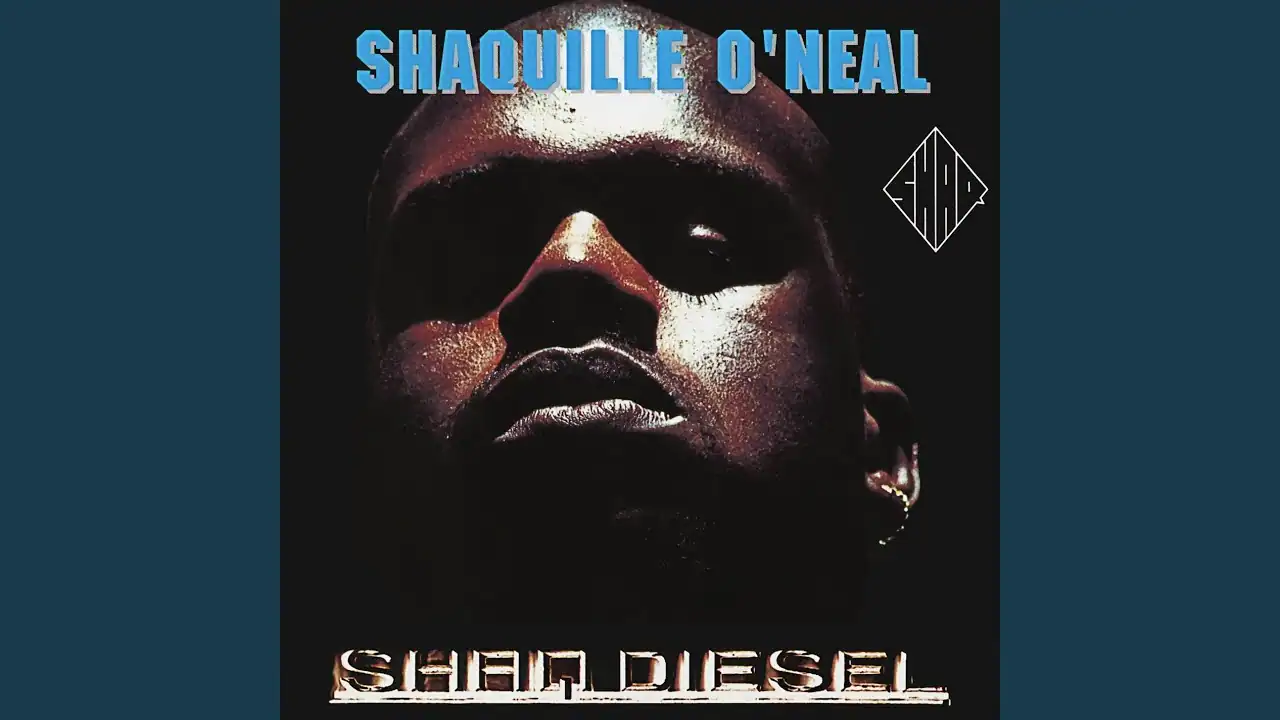
NBA legend Shaquille O’Neal stepped into the music world with “Shoot Pass Slam” way before his analyst days. The standout track came from his platinum-selling 1994 debut album Shaq Diesel. Shaq stands as the most successful basketball rap crossover artist that ever spread his talent, showing the deep connection between basketball and hip-hop culture.
Shoot Pass Slam by Shaquille O’Neal background
Shaq’s rap career turned out different from typical celebrity music attempts. His debut album went platinum and sold over a million copies. “Shoot Pass Slam” showed Shaq’s surprisingly solid flow with production from A Tribe Called Quest’s Ali Shaheed Muhammad.
The track dropped during Shaq’s Orlando Magic era, before he won championships with the Lakers. He had already become a basketball phenomenon back then. His Rookie of the Year award and first All-Star appearance proved it. Music helped him grow beyond his role as a dominant center into a cultural icon who connected sports and entertainment.
Shoot Pass Slam by Shaquille O’Neal basketball references
“Shoot Pass Slam” works as an autobiographical basketball rap that explains Shaq’s court skills through clever wordplay:
- The title captures Shaq’s offensive toolkit
- He talks about “posting up” defenders and “backing down” opponents
- The lyrics showcase his signature power moves and dunking skills
- The song reflects his intimidating presence in the paint
Why Shoot Pass Slam by Shaquille O’Neal pumps you up
The track’s energetic production matches Shaq’s physical playing style perfectly. The boom-bap beat creates a natural rhythm for pre-game warmups and workout sessions.
The motivation hits different when an NBA superstar raps about dominating the court. Shaq lived every bit of basketball dominance he describes in the song. This authenticity makes it one of the most genuine hip hop basketball songs ever recorded.
“Shoot Pass Slam” stays a favorite among basketball songs rap fans who value both Shaq’s basketball legacy and his unexpected musical talent.
White Iverson by Post Malone
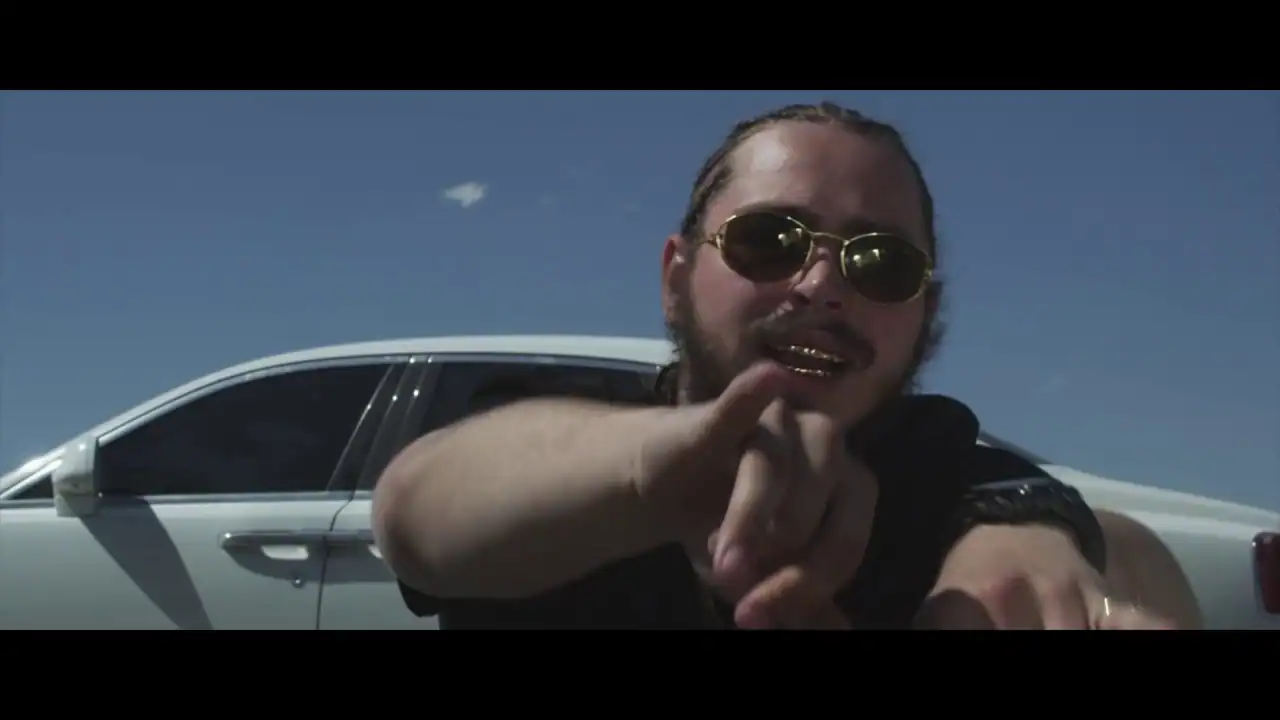
Post Malone’s 2015 viral hit “White Iverson” turned an unknown artist into a mainstream sensation overnight. The song stands as one of the most influential rap songs about basketball in the last decade. This breakthrough track became his unexpected path from obscurity to stardom.
White Iverson by Post Malone background
The story behind this basketball rap feels almost accidental. Post (born Austin Post) dreamed up the concept after getting braids that reminded him of Allen Iverson’s signature cornrows. He felt so inspired that he recorded the song just two days after writing it.
The track hit SoundCloud in February 2015 and took off like wildfire, racking up over a million plays within its first month. Republic Records noticed this unexpected success and signed him. They re-released the song in August 2015. The rise happened faster than anyone expected – Post described it as “the cheesy like montage movie comeup scene”.
White Iverson by Post Malone basketball references
Basketball terms flow naturally through Post’s relaxed delivery:
- Direct Allen Iverson nods (“When I started ballin’, I was young”)
- References to “rockin’ the sleeve” – Iverson’s signature arm sleeve
- Basketball moves like “slam dunks” and mentions of KD (Kevin Durant)
- Nods to NBA stars and their playing styles
Why White Iverson by Post Malone pumps you up
The song celebrates perseverance and breakthrough success. It struck a chord with audiences so powerfully that it has surpassed an astounding 1 billion streams on Spotify and earned Diamond certification.
The song’s effect reached beyond music. Allen Iverson himself loved the tribute and met Post in 2017. He said, “I heard I inspire your beer pong game… The whole world loves this song and I’m honored to be a part of it”. This genuine connection between the basketball icon and artist makes the track perfect for pre-game playlists.
Tyler Herro by Jack Harlow
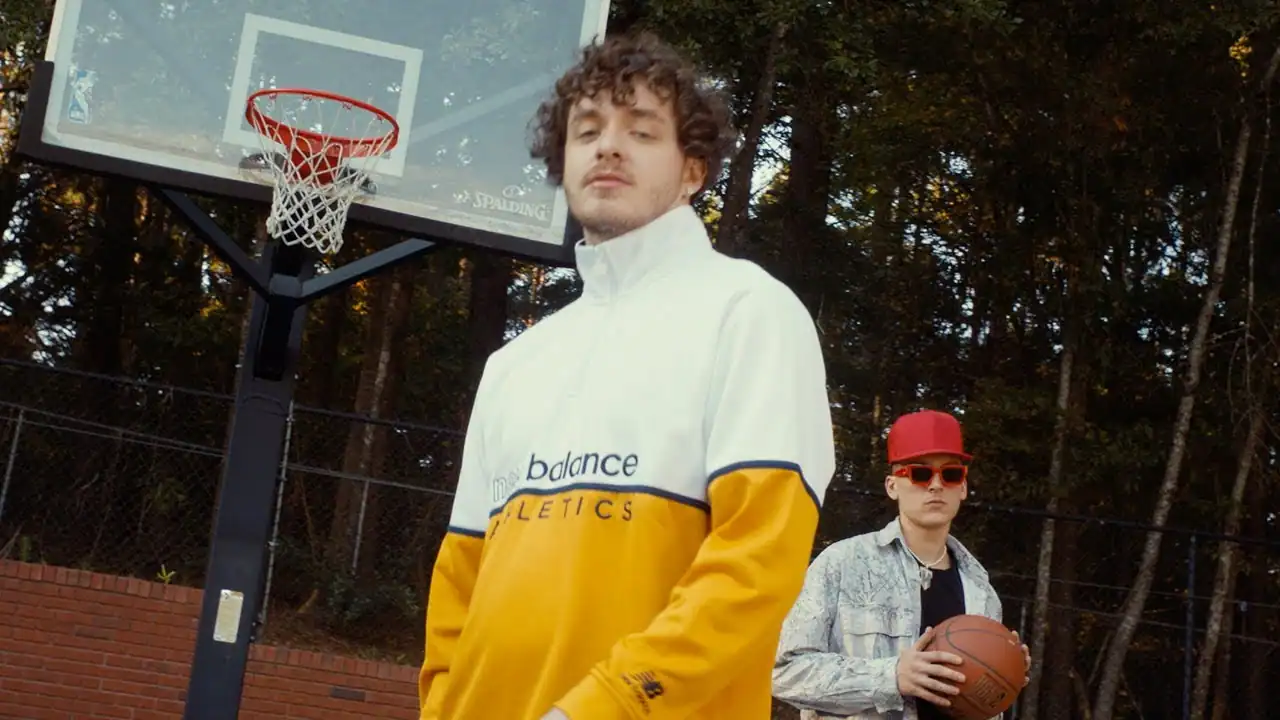
Kentucky rapper Jack Harlow created one of the most authentic rap songs about basketball with his 2020 single “Tyler Herro.” He named the track after his real-life friend and Miami Heat star who appears in the music video. The catchy single dropped in October 2020 and served as a lead track for Harlow’s debut studio album Thats What They All Say.
Tyler Herro by Jack Harlow background
The basketball rap couldn’t have come at a better time. Harlow released it right after Herro’s breakout performance in the 2020 NBA Playoffs. The rookie made history by becoming the youngest player to start in an NBA Finals since Magic Johnson. Boi-1da and Scott Storch led the all-star production team, with Neenyo and Jahaan Sweet adding their touches.
The artist and athlete share a genuine connection. Harlow announced the song’s release by posting a photo of their jersey swap. Ace Pro directed the music video at NBA player Lou Williams’ Atlanta home. The video shows Harlow shooting hoops with Herro, who looked “like a deer in the headlights trying to pose in a rap video”.
Tyler Herro by Jack Harlow basketball references
The track’s signature line stands out: “My homeboy Tyler, he play in South Beach / He told me this summer he gon’ fix my jumper”. Harlow weaves in clever references to:
- NBA 2K gaming culture
- Comparisons to NBA player/rapper Iman Shumpert
- The Harlem Globetrotters
Why Tyler Herro by Jack Harlow pumps you up
The song’s magic lies in its “bass-heavy midtempo groove that expresses Harlow’s catchy flows”. Boi-1da and Scott Storch created a flute-driven beat that brings supreme energy. This makes it a perfect addition to pre-game playlists.
The track’s swagger matches basketball’s competitive spirit. It celebrates rising above doubters, similar to Herro’s surprising playoff performance that had Miami Heat staff comparing him to Devin Booker.
He Got Game by Public Enemy
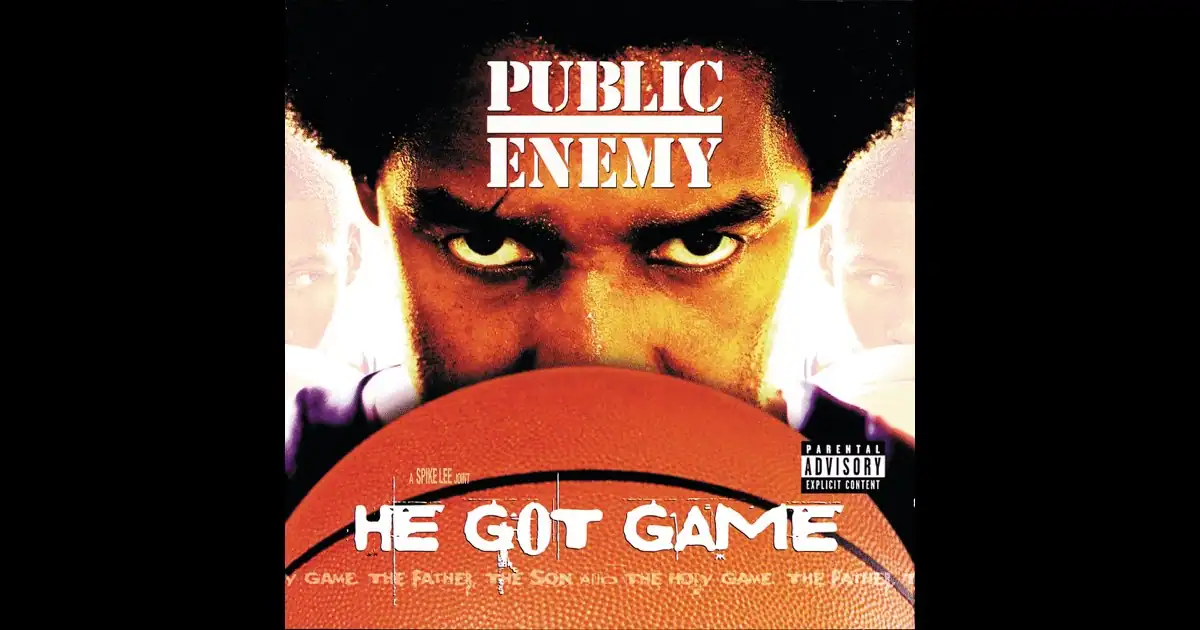
Public Enemy teamed up with filmmaker Spike Lee in 1998 to create one of the most important rap songs about basketball in hip-hop history. The title track for Lee’s basketball drama “He Got Game” with Denzel Washington and NBA player Ray Allen brought the legendary group back together after years apart.
He Got Game by Public Enemy background
The powerful basketball rap marked Public Enemy’s comeback after a [four-year break](https://en.wikipedia.org/wiki/He_Got_Game_(soundtrack) when Spike Lee asked them to create the soundtrack for his basketball film. The project brought the group back together and sparked controversy with Professor Griff’s return to the group almost ten years after his dismissal for anti-Semitic comments.
The production team brilliantly wove in Buffalo Springfield’s 1966 protest anthem “For What It’s Worth.” Original vocalist Stephen Stills came to the studio to play guitar and re-sing parts of his classic song. Lee had been listening to Aaron Copland’s classical compositions while writing the screenplay, and ended up blending these orchestral elements with Public Enemy’s hip-hop style.
He Got Game by Public Enemy basketball references
Chuck D and Flavor Flav use basketball as a metaphor to show “the essence of black male aspiration”. Their lyrics challenge the common belief that basketball offers an easy escape from disadvantaged neighborhoods.
The song gets into how billion-dollar institutions commodify young Black men. Chuck D makes a powerful comparison between the NBA draft and a slave auction: “Run n***a run to the auction block / But you can’t pledge allegiance to the block / This buck here, is the right kinda stock / For sale for passin’ the right kinda rock”.
Why He Got Game by Public Enemy pumps you up
The track’s energy comes from its universal message about having “game” in life beyond sports. One critic points out that “Chuck D and Flavor Flav are telling the whole world that we all got game”.
The film and album turned out to be critical successes but didn’t do well commercially. Still, the song remains an anthem that enables people to succeed. Its unique mix of classic rock samples, orchestral elements, and hard-hitting lyrics creates an energy that sets it apart from other basketball songs rap.
NBA 2K2 by R.O.C.
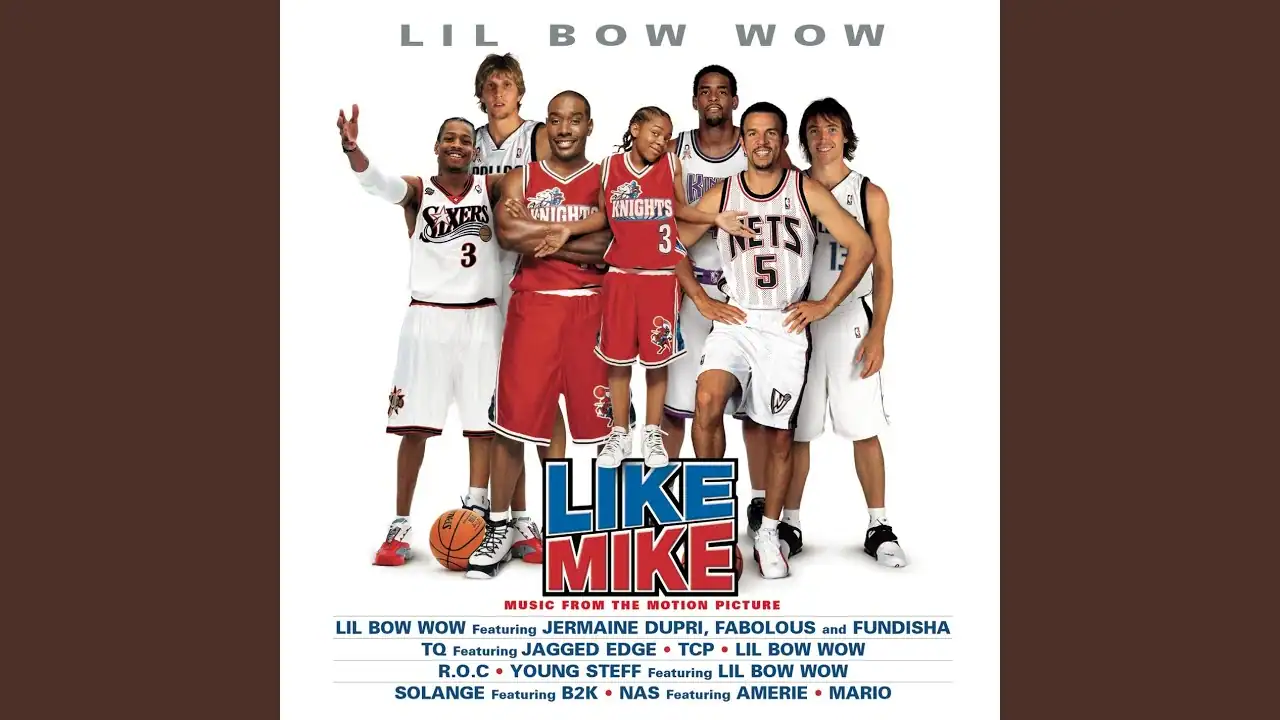
The NBA 2K video game series created an unexpected bridge between hip-hop and basketball. Rahman “Rocky” Griffin’s theme song “NBA 2K2” became the soundtrack for the 2001 release featuring Philadelphia 76ers star Allen Iverson on the cover.
NBA 2K2 by R.O.C. background
Visual Concepts and Sega Sports developed NBA 2K2, which featured R.O.C.’s commissioned theme song that left its mark on basketball music history. The track captured the early 2000s essence with its unique production style. This came before the more aggressive “crunk” sound took over later in the decade.
The song’s popularity grew when it became part of the 2002 film “Like Mike” soundtrack. Players launching the game would hear R.O.C.’s bold flow over beats that defined the Y2K/Millennium era sound.
NBA 2K2 by R.O.C. basketball references
R.O.C.’s lyrics mirror actual NBA 2K2 gameplay elements:
- Basketball fundamentals: “I got the rock, I’m bringin’ it down”
- Specific moves: “You see how I pick and roll then I spin on em'”
- Defensive tactics: “Still shot blocks rejections”
- Game situations: “The game in a clutch, so I put the tray up”
The chorus hits hard with “You can’t guard me, no, you can’t stick me, no”. This reflects the confidence players need on virtual and real courts. R.O.C. also drops lines like “all day my Jay is on”, a reference to the vital jump shot in both virtual and real basketball.
Why NBA 2K2 by R.O.C. pumps you up
Hip-hop critics praise the track as the one that “has the sound that most closely resembles classic, golden era hip hop” among NBA 2K themes. The bold basketball rhymes create the perfect pre-game energy boost.
NBA 2K2 brought smoother gameplay and more realistic player movements than its predecessors. R.O.C.’s dynamic delivery and basketball-focused lyrics matched this enhanced experience perfectly. The result became a timeless basketball rap classic that still appeals to fans of both the sport and the game series.
Space Jam by Quad City DJ’s
Image Source: YouTube
Rap songs about basketball are plenty, but Quad City DJ’s “Space Jam” theme song stands above the rest with its lasting cultural impact. This infectious track has become a genuine sports anthem since its creation for the 1996 blockbuster film that paired Michael Jordan with the Looney Tunes characters.
Space Jam by Quad City DJ’s background
The Miami bass hip-hop trio JT Money, Jay Ski, and C.C. Lemonhead created this signature track for Warner Bros.’ ambitious live-action/animation hybrid film. The song reached #37 on the Billboard Hot 100 chart after its November 1996 release. Its cultural impact is a big deal as it means that its original chart position couldn’t capture its true significance.
The song became an integral part of 1990s basketball culture while the film grossed over $230 million worldwide. The track’s distinctive call-and-response chorus (“Everybody get up, it’s time to slam now”) grabs attention and makes people move instantly.
Space Jam by Quad City DJ’s basketball references
The lyrics pack several basketball-specific terms beyond the title’s connection to the film’s premise of NBA stars battling cartoon characters:
- “Slam jam” showcases dunking abilities
- “Welcome to the Space Jam” mirrors NBA game announcements
- High-stakes basketball situations shine through references to “taking it into overtime”
Basketball’s energetic spirit comes alive in the song without complex technical terms, making it available to casual fans too.
Why Space Jam by Quad City DJ’s pumps you up
The song’s staying power in sports culture amazes more than its early success. High school and college basketball programs nationwide still play “Space Jam” at games, nearly 30 years after its release.
People can’t help but move when those opening beats drop, thanks to the track’s upbeat tempo and commanding chorus. The song’s connection to Michael Jordan’s peak era adds extra motivation for players who want to channel the basketball legend’s greatness.
Lay Up by Andy Mineo ft. Wordsplayed
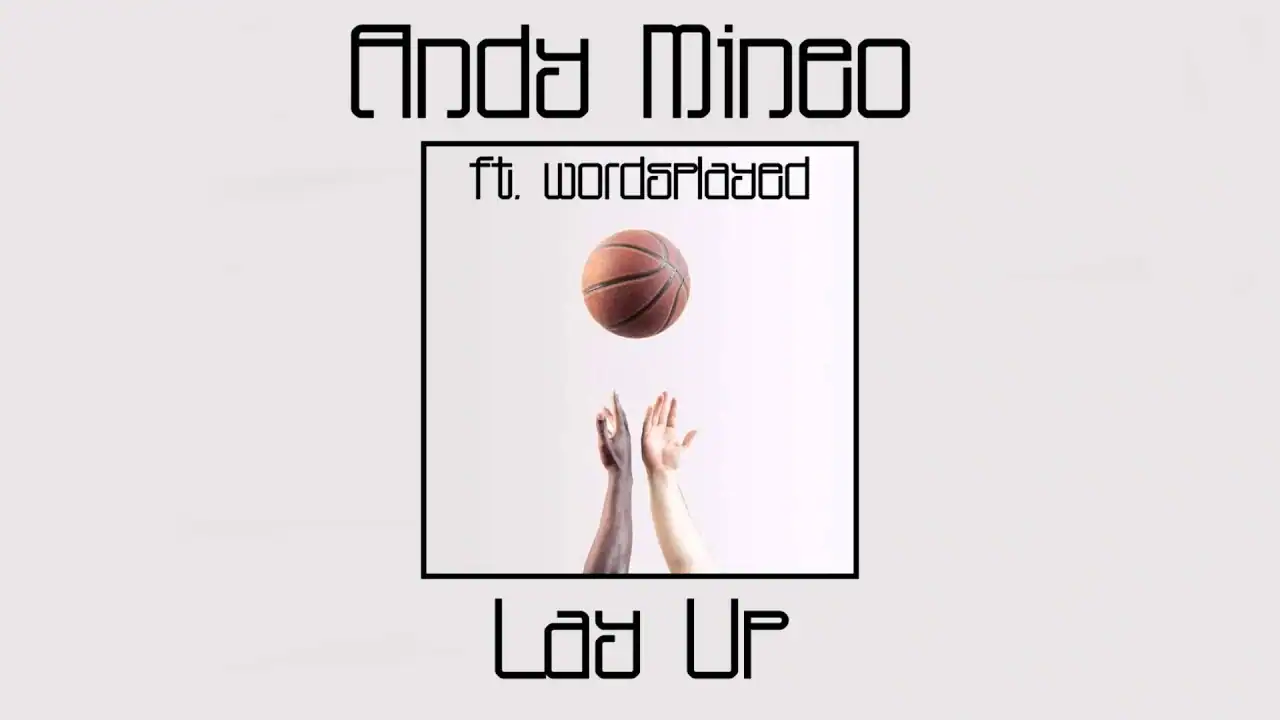
Andy Mineo, a Christian hip-hop artist, dropped an energetic basketball rap called “Lay Up” with Wordsplayed in 2015. The track came right after his soaring win with the “Never Land” EP and showed his growing connection to basketball culture.
Lay Up by Andy Mineo background
Alex Medina and Tyshane produced “Lay Up,” which marked Mineo’s original step into basketball-themed music before his full basketball concept project. The song found its place as a bonus track on the 2017 “Magic & Bird” mixtape—a project he created with Wordsplayed that drew inspiration from the legendary Magic Johnson-Larry Bird rivalry.
Basketball flows through Mineo’s veins. His upbringing in basketball-crazy Syracuse, New York shaped his genuine love for the sport. This authentic passion helped his music strike a chord with athletes. His track “You Can’t Stop Me” even won an ESPN Whammy Award after becoming Major League Baseball’s most popular walk-up song in 2015.
Lay Up by Andy Mineo basketball references
Basketball terminology weaves through “Lay Up” as both literal references and metaphors. The chorus makes clever use of basketball’s basic shots: “One thing that you don’t miss: that’s a layup”.
The lyrics showcase many basketball elements:
- Game situations (“1.3 seconds left in regulation”)
- Specific moves (“finger roll, look at the flicka da wrist”)
- Court references (“Dyckman courts”)
- Basketball fundamentals (“That’s easy buckets”)
Why Lay Up by Andy Mineo pumps you up
“Lay Up” captures the thrill of significant game moments through its energetic production and basketball-focused lyrics. The song’s message about seizing opportunities mirrors the mindset needed in clutch game situations.
Critics praised its place on the “Magic & Bird” mixtape as perfect “to play basketball at a summer court”. The mixtape serves as ideal workout music, with each track designed to fit “anybody’s workout playlist”.
So Sophisticated by Rick Ross ft. Meek Mill
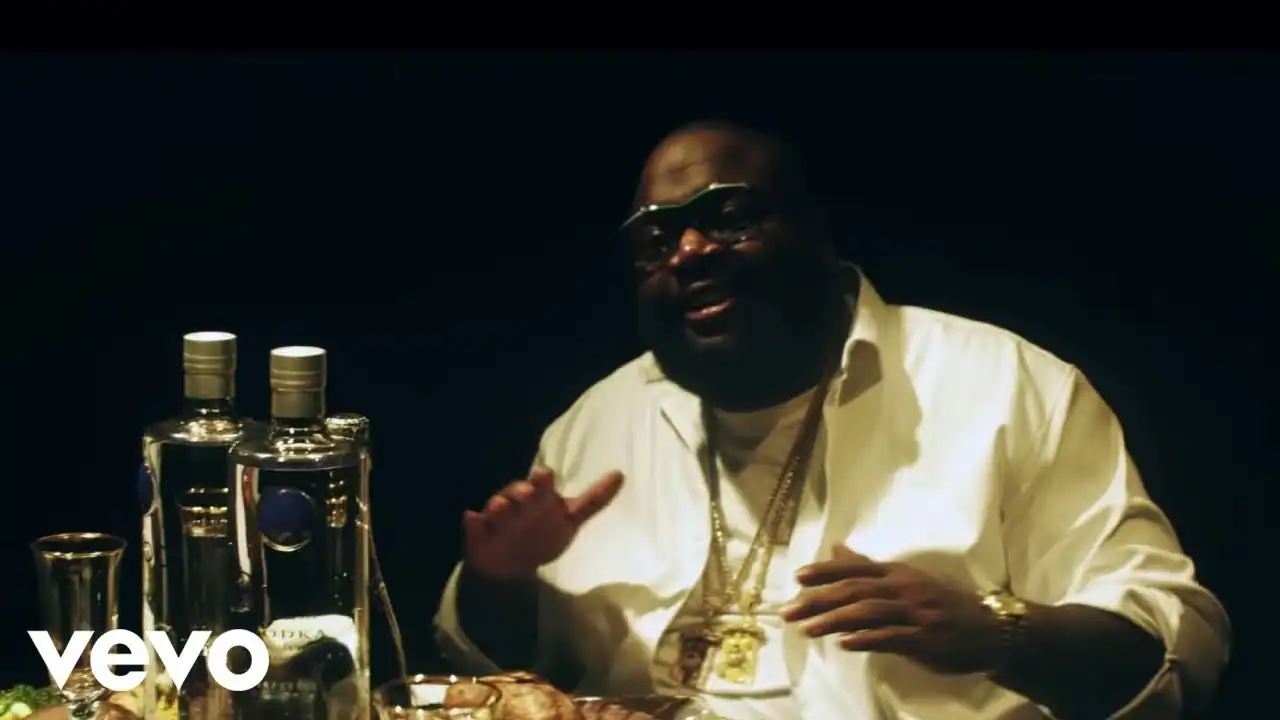
Rick Ross, the Maybach Music Group founder, teamed up with his label artist Meek Mill in 2012. They created “So Sophisticated,” a confident anthem that earned Gold certification from the RIAA. The track found its place on Ross’s fifth studio album God Forgives, I Don’t and shows both artists mixing luxury rap with street credibility.
So Sophisticated by Rick Ross background
Legendary DJ Funkmaster Flex first played the track on May 21, 2012. The official release as the album’s second single came on June 5, 2012. The Beat Bully produced an “arpeggiated-synth/808 boardwork” that fits perfectly with the artists’ commanding style.
Ross calls himself “highly sophisticated” and makes success “look easy”. The track serves as his victory declaration. Both rappers talk about their material wealth but don’t forget to mention their rough past and the ruthless nature of their world. Their refined image at “the pinnacle of the game” gets stronger with each repeat of the chorus.
So Sophisticated by Rick Ross basketball references
Meek Mill’s verse drops the most notable basketball reference: “Shittin’ on these haters, ball hard D Waiters”. This line mentions then-Cleveland Cavaliers guard Dion Waiters. The Cavaliers loved this shoutout so much that they played this part after each of Waiters’s baskets when he got drafted in summer 2012.
“Ball hard” cleverly means both basketball excellence and lavish spending. Kevin Durant of the Golden State Warriors kept Waiters’s nickname alive by calling him “ball hard” years after the song came out.
Why So Sophisticated by Rick Ross pumps you up
The song combines energetic production with a victory message that makes it perfect before games. It paints a picture of success while keeping it real about life’s challenges.
Basketball players love hearing their names in songs. Washington Wizards’ Bradley Beal put it best: “Whenever your name is called out in a song, that’s like the ultimate sign of respect”. The track’s celebration of never giving up and its powerful beat makes it a must-have on any game-day playlist.
Can’t Tell Me Nothing by Kanye West
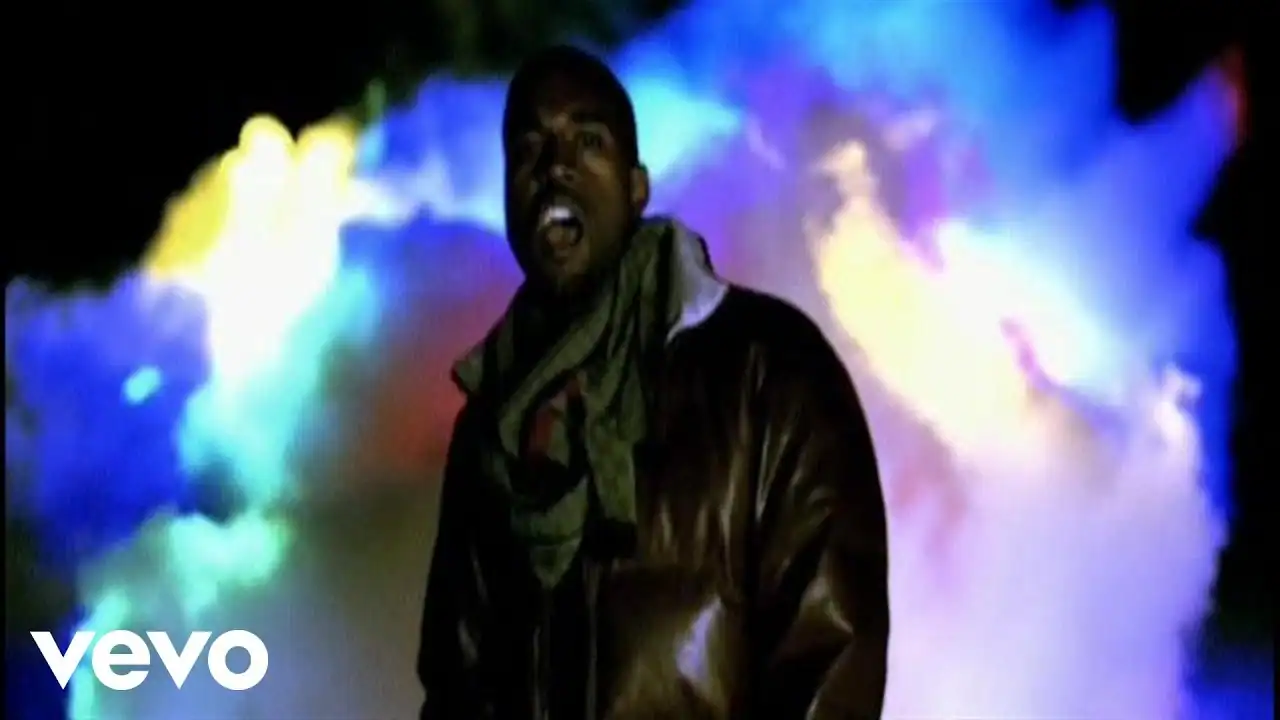
Kanye West’s 2007 hit “Can’t Tell Me Nothing” rules pre-game playlists on basketball courts across the country. The song doesn’t directly talk about basketball, but as the lead single from his third album “Graduation,” it captures the confidence and drive that appeals to athletes before games.
Can’t Tell Me Nothing by Kanye West background
“Can’t Tell Me Nothing” dropped in May 2007 and marked a key point in West’s rise as an artist. DJ Toomp produced the track, which samples Young Jeezy’s ad-libs in its catchy hook. The song ranks among West’s classics today. It peaked at #41 on the Billboard Hot 100 but managed to keep its special place in sports venues.
The song doesn’t tell basketball stories directly – it’s about mindset and the steadfast dedication needed to push through challenges. NBA arenas play it during big game moments. The music video left its mark on pop culture by featuring comedian Zach Galifianakis in a surprising rural setting that stood out against the song’s urban swagger.
Can’t Tell Me Nothing by Kanye West basketball references
The track weaves in themes that match athletic competition, though it’s not specifically about basketball:
- The repeated line “wait ’til I get my money right” reflects athletes’ dedication to training
- Stories about pushing through criticism mirror many basketball stars’ paths
- Players and teams who start as underdogs connect with its message about proving doubters wrong
Why Can’t Tell Me Nothing by Kanye West pumps you up
The song’s power comes from its pure confidence – a vital mental edge for basketball success. Its strong, measured beat sets the perfect tempo for pre-game warmups and workout routines.
The track’s bold lyrics show the mental strength coaches want their players to develop. The chorus—”you can’t tell me nothing”—helps players shut out both self-doubt and critics’ voices, making it a perfect basketball game song before hitting the court.
Awwsome by Shy Glizzy
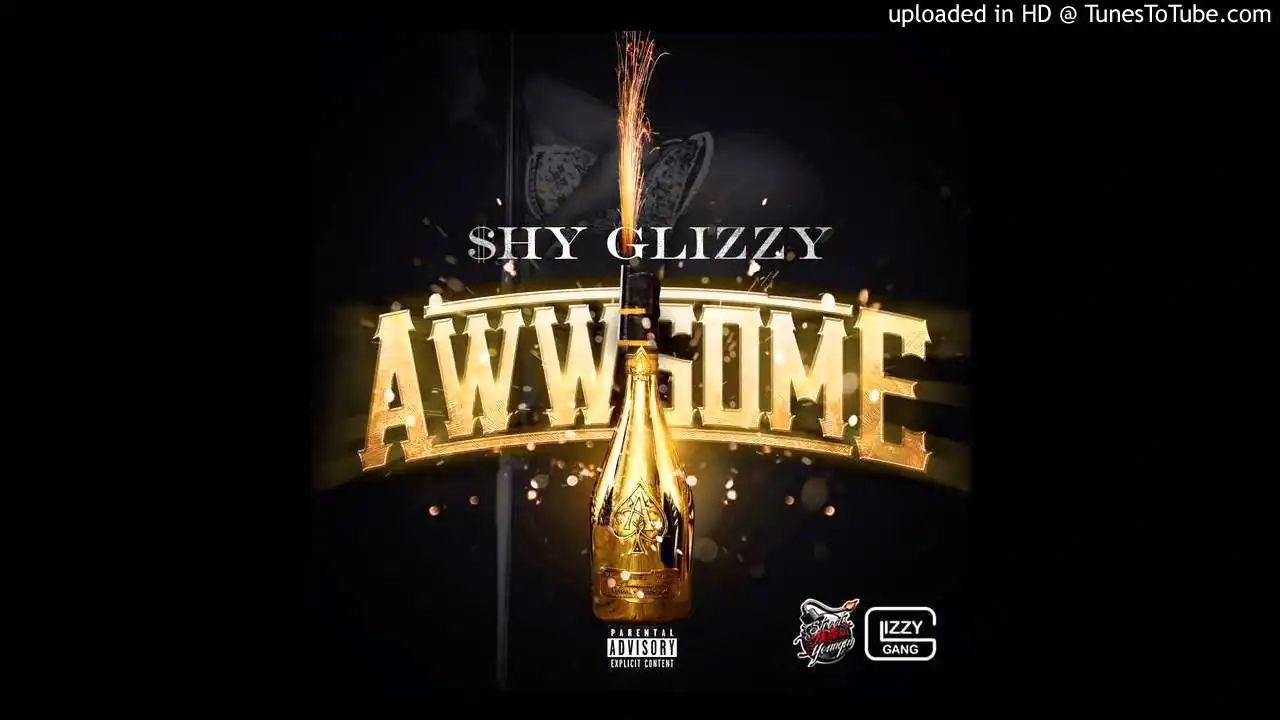
DC rapper Shy Glizzy created one of the most catchy rap songs about basketball with “Awwsome” in 2014. The track’s clever use of basketball terminology helped it exceed its local roots and become a surprise hit.
Awwsome by Shy Glizzy background
“Awwsome” made its debut on Shy Glizzy’s seventh mixtape, Young Jefe, in February 2014. The track started as a local favorite but steadily grew beyond Washington DC’s boundaries. Glizzy’s team pushed the song until it peaked at #45 on the Billboard Hot R&B/Hip-Hop Songs chart, marking his biggest solo achievement.
The song’s growing popularity caught major artists’ attention. Chris Brown shared an Instagram video dancing to the track, and DJ Mustard started playing it at his shows. This buzz led to an impressive remix featuring 2 Chainz and A$AP Rocky that racked up over 750,000 SoundCloud streams in just a week. The song’s reach expanded beyond hip-hop when Beyoncé included it in her 2015 Global Citizen Festival performance.
Awwsome by Shy Glizzy basketball references
The song’s heart lies in its basketball-themed chorus: “Swish, I’m balling, I’m so awesome”. Basketball terminology serves two purposes here – it captures both the sound of a perfect shot and symbolizes Glizzy’s rise to success. Basketball fans know the “swish” sound well – that satisfying noise of a shot going cleanly through the net.
Basketball metaphors became Glizzy’s signature style. His later song “Score” expanded these references with “He shoots, he scores!” and added shot clock buzzer sounds.
Why Awwsome by Shy Glizzy pumps you up
“Awwsome” stands out as a pre-game motivational anthem that celebrates confidence and achievement. The song goes beyond simple bragging to embrace positive self-affirmation. Its chorus works like a personal mantra that reinforces self-belief.
The track’s energetic vibe makes it perfect for basketball warmups. Critics point out that the song moves people naturally – “anyone who hears it can’t help but bounce to it just a little bit”. This universal appeal explains how it naturally spread from clubs to lounges and basketball venues nationwide.
Basketball by Lil Bow Wow
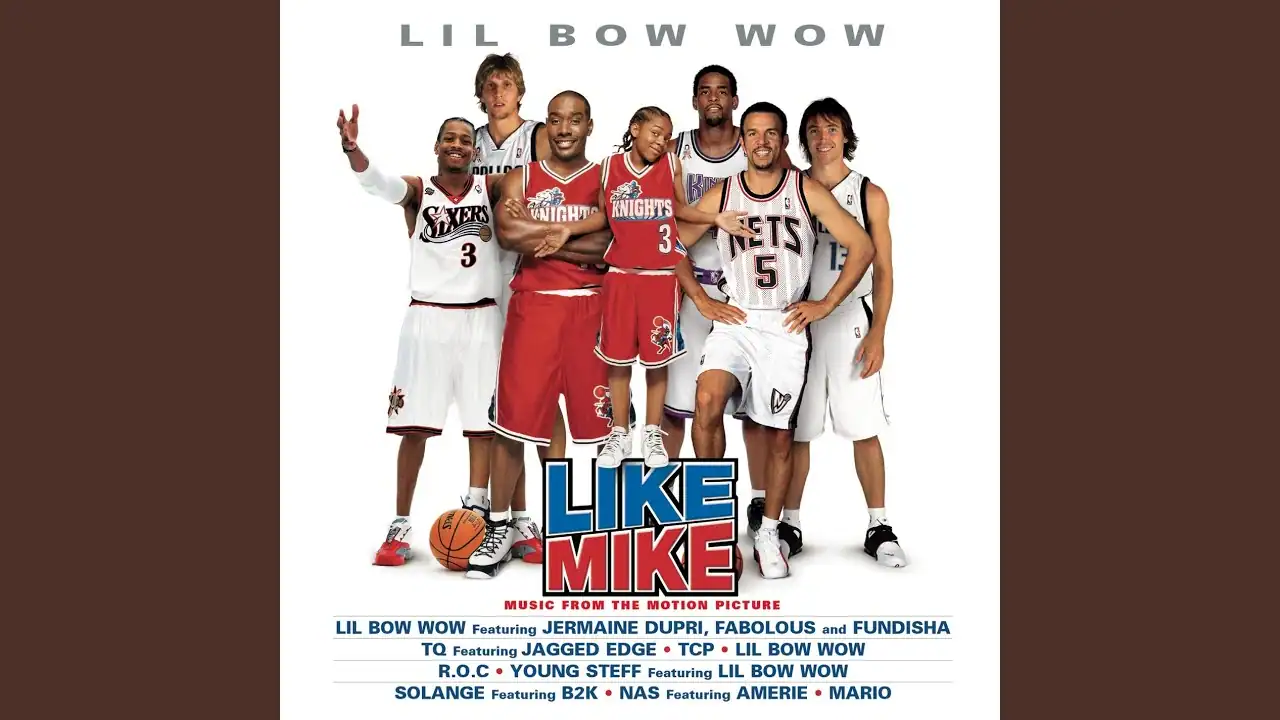
Lil Bow Wow breathed new life into a basketball classic with his 2002 track “Basketball” for his movie “Like Mike”. This energetic anthem captured the deep connection between basketball culture and hip-hop at the millennium’s dawn, building on Kurtis Blow’s 1984 original version.
Basketball by Lil Bow Wow background
The “Like Mike” soundtrack opened with “Basketball”, which matched Bow Wow’s character Calvin Cambridge – an orphan who finds magical sneakers with Michael Jordan’s initials. Producer Jermaine Dupri crafted this modern take, bringing Fabolous and Fundisha along as featured artists. The song became a soaring win on the charts, reaching #1 on R&B and #25 on rap rankings.
Bow Wow’s connection to basketball went beyond just marketing. His film producer said, “He loves basketball, loves Michael Jordan, and he’s an exceptional basketball player”. The movie earned $52 million at theaters, but its cultural effect through DVD sales made it a beloved millennial classic.
Basketball by Lil Bow Wow basketball references
The original version featured Rick Barry and Wilt Chamberlain, but Bow Wow’s take brought in Michael Jordan, Allen Iverson, and Vince Carter. His lyrics stayed true to basketball basics with mentions of slam dunks, alley-oops, and the give-and-go.
The song’s structure mirrors basketball’s natural rhythm through repeated phrases like “They’re playing basketball, We love that basketball”.
Why Basketball by Lil Bow Wow pumps you up
The song’s “vibrant beat and clever wordplay” creates perfect pre-game energy. Bow Wow’s “youthful energy and undeniable talent” shines in his delivery and inspires listeners to chase their basketball dreams.
Fans still see Bow Wow as his basketball-playing character. He embraces this legacy saying, “No matter where I go, I’m Calvin Cambridge for the rest of my natural born life”.
Slam by Onyx

Image Source: YouTube
Onyx’s 1993 hit “Slam” stands as one of the most recognizable crossover moments between hip-hop and basketball culture. With its aggressive delivery and thunderous production, this track transcended music to become a soundtrack for basketball highlights and arena moments across generations.
The Explosive Energy that Mirrors Basketball’s Intensity
“Slam” captures the raw physicality of basketball through its booming production and aggressive delivery. The iconic “SLAM! Da da da, da da da” hook hits with the same impact as a powerful dunk, while Onyx’s shouted lyrics mirror the intensity of players battling on the court. The track’s unrelenting energy perfectly complements basketball’s most explosive moments, creating a natural soundtrack for the sport’s physical nature.
How “Slam” Became an Anthem for High-Flying Hoops Highlights
The song found its permanent place in basketball culture through highlight reels and arena playlists. Sports producers quickly recognized how perfectly the word “SLAM” synchronized with footage of dunks, making it a staple in basketball programming throughout the 1990s and beyond. The track’s appearance in streetball videos and basketball video games further cemented its status as the ultimate soundtrack for basketball’s most exciting plays.
The Cultural Impact of Onyx’s Aggression on Basketball Soundtracks
Onyx’s hardcore approach in “Slam” helped transform how music and basketball intersect. The track’s unapologetic aggression matched the attitude-driven era of 1990s basketball, influencing everything from arena music selections to the presentation of the sport in media. Today, “Slam” remains influential in basketball culture, establishing a blueprint for how rap music can authentically capture the competitive spirit and excitement of the game.
Comparison Table
| Song Title | Artist | Release Year | Notable Basketball References | Key Production/Musical Elements | Cultural Impact/Achievement |
|---|---|---|---|---|---|
| Basketball | Kurtis Blow | 1984 | Names 25 basketball legends, including Wilt Chamberlain, Magic Johnson | Basketball sounds blend with Knicks announcer John Andariese’s voice | Pioneered basketball-themed rap, became staple in NBA promotions |
| Kobe Bryant | Lil Wayne | 2009 | Mentions Bryant’s jersey numbers (8/24), “Black Mamba” nickname | Emerged after Game 6 of 2009 Western Conference Finals | New version showcased at 2020 BET Awards following Bryant’s passing |
| Jumpman | Drake & Future | 2015 | Mentions Michael Jordan, Dikembe Mutombo, Manu Ginobili | Produced by Metro Boomin | Earned quadruple platinum status, downloads surged 431% after Taylor Swift Apple commercial |
| Heart of a Champion | Nelly | 2004 | Mentions Magic, Kareem, Michael Redd, Allen Iverson | Features “NBA on NBC” theme “Roundball Rock” sample | Collaboration with Lincoln University Vocal Ensemble |
| Shoot Pass Slam | Shaquille O’Neal | 1994 | Describes posting up, backing down opponents, dunking | From platinum-selling album “Shaq Diesel” | Stands out as successful athlete-to-rapper transition |
| White Iverson | Post Malone | 2015 | Mentions Allen Iverson’s cornrows, arm sleeve | Creation took just two days | Achieved Diamond certification with over 1 billion Spotify streams |
| Tyler Herro | Jack Harlow | 2020 | Mentions NBA 2K, Harlem Globetrotters | Boi-1da and Scott Storch handled production | NBA player Tyler Herro stars in music video |
| He Got Game | Public Enemy | 1998 | Explores NBA draft process | Weaves in Buffalo Springfield’s “For What It’s Worth” | Serves as soundtrack for Spike Lee’s basketball film |
| NBA 2K2 | R.O.C. | 2001 | Highlights gameplay elements, basketball basics | Features early 2000s production style | Appears in NBA 2K2 game and “Like Mike” film |
| Space Jam | Quad City DJ’s | 1996 | Highlights dunking, overtime play | Call-and-response chorus drives the song | Reached #37 on Billboard Hot 100, became beloved sports anthem |
| Lay Up | Andy Mineo ft. Wordsplayed | 2015 | Mentions Dyckman courts, finger rolls | Alex Medina and Tyshane led production | Found home on basketball-themed “Magic & Bird” mixtape |
| So Sophisticated | Rick Ross ft. Meek Mill | 2012 | Mentions Dion Waiters | Features “arpeggiated-synth/808 boardwork” | Secured Gold certification from RIAA |
| Can’t Tell Me Nothing | Kanye West | 2007 | No direct basketball references | DJ Toomp handled production | Regular feature during NBA arena games |
| Awwsome | Shy Glizzy | 2014 | Built around “swish” basketball reference | N/A | Climbed to #45 on Billboard Hot R&B/Hip-Hop Songs |
| Basketball | Lil Bow Wow | 2002 | Mentions Jordan, Iverson, Carter | Jermaine Dupri led production | Topped R&B chart alongside “Like Mike” film success |
Conclusion
Basketball and hip-hop share a deep connection that goes beyond their overlapping fan bases. These two influential forces represent parallel paths for self-expression, competition, and cultural impact. Their relationship becomes clear when we look at basketball-themed rap.
Artists on this list know basketball inside out. Kurtis Blow started it all by mentioning 25 basketball legends in his lyrics. Lil Wayne created a heartfelt tribute to Kobe Bryant after seeing his greatness in person. Modern artists like Drake, Future, and Jack Harlow keep this tradition alive through songs like “Jumpman” and “Tyler Herro.”
Basketball terms give these artists perfect metaphors to describe success. Shy Glizzy’s “swish” in “Awwsome” and Andy Mineo’s “Lay Up” appeal to audiences who get both worlds. On top of that, songs like “Heart of a Champion” and “Space Jam” have exceeded their original meaning to become motivational anthems in arenas across the country.
This cultural exchange flows both ways. NBA players pump these songs during warmups, and rappers proudly show off their basketball connections. Public Enemy’s “He Got Game” digs deeper into basketball’s impact on Black communities.
The strongest signs point to this bond growing stronger. Basketball’s global appeal and hip-hop’s dominance on music charts mean future artists will without doubt create new anthems that capture the sport’s energy and cultural importance.
These fifteen songs show how two cultural giants inspire and raise each other through rhythm, rhyme, and basketball’s beautiful game. They make perfect pre-game motivation or workout music by blending basketball spirit with hip-hop energy.
We don’t follow the culture — we create it. Experience the movement at Lit Nightz News, then bring the revolution to your people.
FAQs
Q1. What makes a great basketball rap song? A great basketball rap song typically features energetic beats, clever basketball references, and lyrics that capture the spirit and culture of the game. It often includes mentions of famous players, signature moves, and the competitive nature of basketball.
Q2. How has the relationship between basketball and hip-hop evolved? The relationship between basketball and hip-hop has grown stronger over time. From early pioneers like Kurtis Blow to modern artists like Drake, rappers have increasingly incorporated basketball themes into their music. Similarly, NBA players have embraced hip-hop culture, creating a mutually beneficial connection between the two worlds.
Q3. Which basketball-themed rap song has had the biggest cultural impact? While impact can be subjective, “Space Jam” by Quad City DJ’s has had a lasting cultural influence. Created for the 1996 Michael Jordan film, it transcended its soundtrack origins to become a genuine sports anthem still played at games nationwide decades later.
Q4. Are there any NBA players who have successfully crossed over into rap? Shaquille O’Neal is perhaps the most successful NBA player to cross over into rap. His 1994 album “Shaq Diesel” went platinum, and tracks like “Shoot Pass Slam” showcased his ability to blend basketball themes with hip-hop.
Q5. How do basketball rap songs motivate players and fans? Basketball rap songs often motivate through their energetic beats, confident lyrics, and relatable themes. They capture the competitive spirit of the game, celebrate athletic achievement, and often include empowering messages that resonate with players preparing for competition and fans getting excited for games.

No Comments