
Underground Rappers to Watch in 2026: Top Rising Acts
TL;DR:
- The top underground rappers in 2026 demonstrate real industry traction through festival bookings, distinctive sonic identities, and measurable growth. Artists like EsDeeKid, fakemink, and Trim exemplify this trend with significant milestones and regional sound innovations. Festival performances and consistent streaming increases serve as key validation markers for sustained underground success.
The best underground rappers to watch in 2026 are defined by three converging signals: viral streaming momentum, a distinctive sonic identity that critics can name on first listen, and at least one major live milestone that confirms real-world demand. This is not a list built on hype alone. Lit Nightz News has tracked the artists who check all three boxes, from EsDeeKid’s genre-fusing UK drill to fakemink’s alt-rap debut and Trim’s Billboard-validated TikTok rise. The 2026 underground music scene is wider, more global, and more sonically varied than any previous cycle. These are the names worth your attention right now.

1. Who are the top underground rappers making waves in 2026?
The best underground artists of 2026 share one trait above all others: they have converted online buzz into tangible industry moments. OnesToWatch’s April 2026 list places EsDeeKid and fakemink at the very top, and the reasoning is hard to argue with. Both artists secured Rolling Loud Orlando 2026 bookings before most listeners outside their core fanbases had heard their names. That is the clearest sign of underground credibility crossing into mainstream readiness.
EsDeeKid blends UK drill with Atlanta trap production in a way that sounds genuinely new rather than derivative. His co-signs from established UK and US producers have given him credibility on both sides of the Atlantic. Key tracks lean on bass-heavy 808s layered under melodic hooks, a combination that travels well across streaming playlists.
fakemink released his debut album Terrified . in May 2026, earning a strong NME review that described flashes of brilliance beneath the bravado. That phrase matters. It signals a writer’s depth underneath the surface energy, which separates artists with catalog longevity from one-cycle wonders.
Trim is 19 years old and already holds Billboard’s Up-and-Coming Hip-Hop Artist of the Month for May 2026. His viral hit “Coconut Water” spread through TikTok before landing him a distribution deal and a Rolling Loud debut. That pipeline from social media to festival stage to industry deal is the 2026 breakout template.
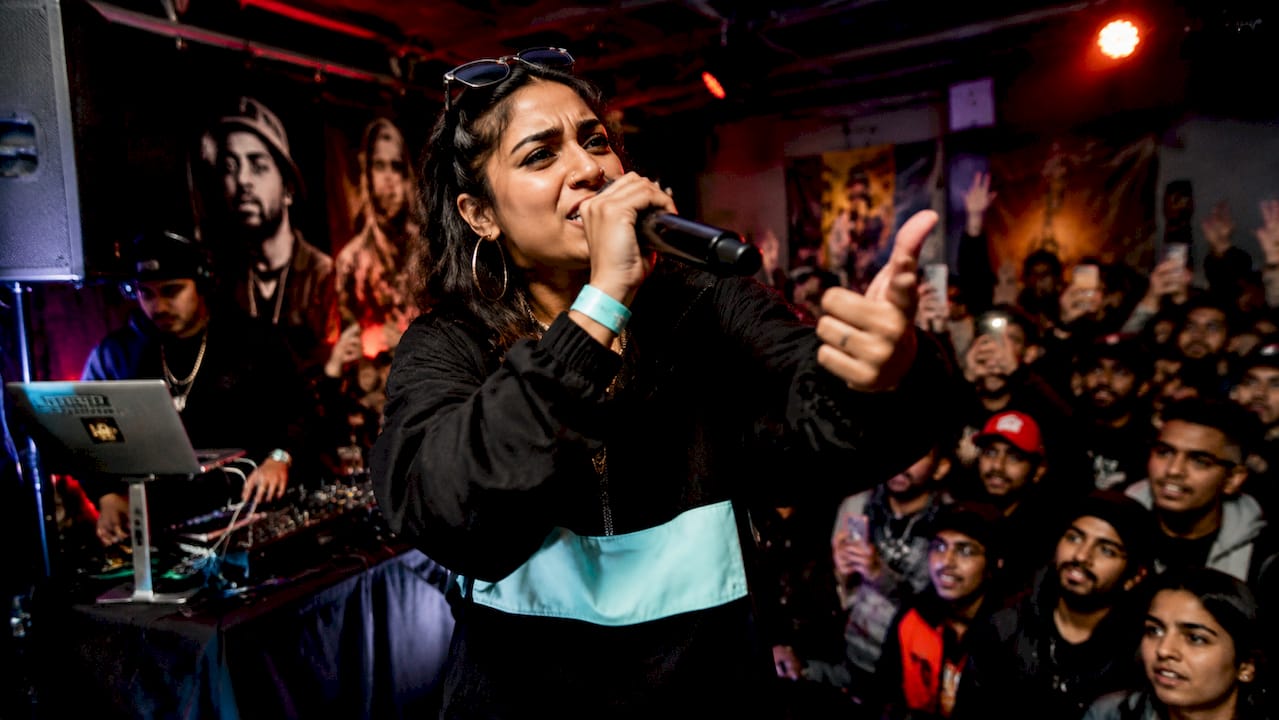
BunnaB and Che represent Atlanta’s current underground wave, both working in melodic drill with bluesy street-anthem production. Neither has crossed into mainstream radio yet, but their Spotify listener counts have grown consistently across 2026’s first quarter.
Reble is the most globally significant name on this list. A female rapper from India’s northeastern region, she raps in English and indigenous languages Khasi and Jaintia, reaching audiences far beyond her home state. Her BBC feature in May 2026 confirmed what regional fans already knew: she is reshaping what Indian hip-hop sounds like and who it speaks to.
Pro Tip: When building your personal discovery list, cross-reference an artist’s festival bookings against their Spotify monthly listener count. If the bookings outpace the numbers, the numbers are about to move.
2. How do 2026 festival lineups illustrate the underground rap landscape?
Festival bookings function as the music industry’s most public endorsement of an emerging artist’s trajectory. Rolling Loud Orlando 2026, scheduled for May 8 to 10, placed underground and emerging artists like fakemink and Nettspend alongside headliners Playboi Carti, Don Toliver, and NBA YoungBoy. That placement is deliberate. Festival programmers use lower-card slots to test crowd response for artists they expect to headline within two to three years.

The FADER identified 18 rappers to watch at Rolling Loud 2026, framing the event as the year’s clearest window into rap’s next generation. That editorial framing reflects a broader industry shift: festivals are now functioning as the new A&R discovery floor, replacing the traditional label showcase circuit that dominated the 2000s and 2010s.
Here is what festival exposure actually delivers for an underground artist:
- Live proof of concept. Streaming numbers tell one story. A packed crowd singing back your lyrics tells a different, more bankable one.
- Industry networking density. Managers, label reps, and sync licensing agents all attend Rolling Loud. One strong set can generate six months of follow-up conversations.
- Content creation fuel. Festival footage drives social media engagement for weeks after the event, extending the promotional window far beyond the weekend itself.
- Peer co-sign opportunities. Sharing a lineup with established names creates implicit association. Fans of Playboi Carti who discover fakemink on the same bill are pre-qualified listeners.
- Press validation. Publications like The FADER and NME cover festival lineups extensively, giving underground artists editorial mentions they could not buy independently.
Trim’s Rolling Loud debut with “Coconut Water” is the clearest 2026 case study. The performance confirmed that his TikTok audience was real and transferable to a live setting, which is the exact validation that converts streaming success into long-term career infrastructure.
3. What production styles and regional sounds are defining underground rap in 2026?
The 2026 underground music scene is not one sound. It is a collection of regional dialects that occasionally borrow from each other, and the most interesting artists are the ones doing the borrowing deliberately. EsDeeKid’s UK drill over ATL trap production is the most commercially viable fusion right now, because it speaks to two of the largest hip-hop markets simultaneously.
fakemink operates in a cloud rap space that draws on off-kilter synths and distorted bass, a production palette that NME’s review connected to a broader alt-rap movement gaining traction in the UK. The album Terrified . uses that palette to frame personal storytelling, which is what gives the sound staying power beyond a single aesthetic cycle.
Atlanta’s underground contributors like BunnaB and Che are working in a melodic drill register that feels distinctly Southern. The production leans on bluesy guitar samples layered over trap drums, creating street anthems with emotional range. This is not the hard-edged drill that defined Chicago’s 2010s output. It is warmer, more narrative-driven, and more radio-adjacent without sacrificing credibility.
Pro Tip: Pay attention to artists who rap in more than one language or dialect. Reble’s use of Khasi and Jaintia alongside English is not a gimmick. It is a direct signal to a specific cultural community that has been underserved by mainstream hip-hop, and those communities are loyal listeners.

Reble’s multilingual approach represents a broader trend in global underground rap: artists are choosing to center their indigenous cultural identity rather than code-switch toward Western norms. That choice builds deeper community loyalty and generates international press interest simultaneously.
| Artist | Region | Production style | Defining trait |
|---|---|---|---|
| EsDeeKid | UK | UK drill over ATL trap | Transatlantic genre fusion |
| fakemink | UK | Cloud rap, off-kilter synths | Alt-rap storytelling depth |
| Trim | US South | Melodic trap | TikTok-to-festival pipeline |
| BunnaB | Atlanta, US | Melodic drill, bluesy samples | Southern emotional range |
| Reble | Northeast India | Contemporary hip-hop | Multilingual indigenous identity |
4. What metrics and milestones signal a real underground breakout?
The word “underground” gets applied too loosely. Credible underground status requires measurable anchors, not just a media tone or an aesthetic choice. Belly Gang Kushington’s March 2026 Billboard feature is a useful reference point. His club-hit remix dominated strip club charts into 2026, which is a specific, trackable metric that Billboard used to validate his breakout claim. That is the standard worth applying to every artist on this list.
The metrics that matter most for emerging rappers in 2026 break down into three categories:
- Streaming trajectory. Monthly Spotify listener counts that show consistent week-over-week growth across a 90-day window are more meaningful than a single viral spike. Trim’s growth curve following “Coconut Water” fits this pattern.
- Festival booking tier. An artist moving from local showcases to a Rolling Loud slot within 12 months is a concrete career acceleration signal, not an opinion.
- Critical editorial coverage. A Billboard monthly feature or an NME album review represents institutional validation that streaming numbers alone cannot provide. fakemink’s Terrified . review and Trim’s Billboard profile both qualify.
- Distribution deal structure. A distribution deal following viral momentum, as Trim secured, indicates that industry infrastructure is now supporting the artist’s growth rather than the artist funding it independently.
- Catalog depth. Artists like Starker, named rapper of the month for April 2026 by a Substack curator for his lyrical speed and new release, demonstrate that underground credibility also requires consistent output rather than a single standout track.
The emerging artists pipeline in 2026 combines DIY momentum with festival readiness in a way that previous generations of underground rappers could not access. Social media has compressed the timeline from bedroom recording to festival stage to under 18 months for the fastest-rising acts. That compression makes metric validation more important, not less, because the hype cycle moves faster than the talent can always sustain.
For fans looking to stay ahead of the fastest rising rappers before they cross over, the triangulation method works best: check for a 2026 release, a major platform moment, and a distinctive sonic identity that critics have named specifically.
Key takeaways
The underground rappers most likely to break out in 2026 are those who combine a distinctive sonic identity, measurable streaming growth, and at least one major festival or editorial milestone that confirms real industry traction.

| Point | Details |
|---|---|
| Festival bookings validate momentum | A Rolling Loud slot in 2026 signals industry confidence before mainstream audiences catch up. |
| Sonic identity separates durable artists | Artists like fakemink and EsDeeKid have named, describable sounds that critics can anchor reviews to. |
| Multilingual artists reach underserved markets | Reble’s Khasi and Jaintia rapping builds deep community loyalty that Western acts cannot replicate. |
| Metrics beat media tone | Billboard features, Spotify growth curves, and distribution deals are more reliable than hype-driven coverage. |
| Catalog depth predicts longevity | Artists with consistent output across 2026, not just one viral track, are the safer long-term bets. |
Why the underground rap conversation in 2026 needs more precision
I have spent enough time tracking hip-hop cycles to know that the word “underground” gets weaponized in two directions. Some fans use it as a purity test, dismissing any artist who lands a festival slot as a sellout. Others use it as a hype accelerant, calling every SoundCloud rapper with 10,000 plays the next big thing. Both approaches waste your time.
What I find genuinely exciting about the 2026 underground scene is that the best artists are forcing a more honest conversation. fakemink’s Terrified . is not underground because it avoids commercial production. It is underground because it prioritizes a writer’s perspective over a radio formula, and that distinction matters. EsDeeKid is not underground because he lacks co-signs. He has plenty. He is underground because his audience is still being built rather than inherited.
The artists I keep returning to are the ones who make you feel like you found something before the algorithm served it to you. Reble does that. Trim did that before Billboard named him. Starker still does it for the listeners paying close attention to the hip-hop trends shaping 2026.
My honest warning: do not let festival exposure alone convince you an artist has arrived. Rolling Loud is a discovery platform, not a coronation. The artists who convert that exposure into sustained catalog growth over the next 12 months are the ones worth following. The ones who peak at the festival announcement are a different category entirely.
— Stephanos G
Discover the culture behind the music
Understanding why these artists resonate requires more than a playlist. The underground rap scene draws directly from hip-hop’s foundational values: authenticity, community, and the elevation of voices that mainstream channels overlook.
Lit Nightz News covers the full cultural context behind the artists making noise in 2026. If you want to understand what drives artists like Reble, fakemink, and Trim beyond the streaming numbers, start with a deeper look at hip-hop’s origins and cultural impact. That foundation explains why the underground scene keeps producing artists who eventually reshape the mainstream. You can also explore how original beats build careers for underground artists working to establish their sound independently.

FAQ
Who are the best underground rappers to watch in 2026?
EsDeeKid, fakemink, and Trim top most credible 2026 lists, with fakemink’s debut album Terrified . and Trim’s Billboard Up-and-Coming feature serving as the strongest validation signals. Reble represents the most globally significant emerging voice, rapping in English, Khasi, and Jaintia from India’s northeastern region.
What makes an artist “underground” in 2026?
An underground rapper in 2026 is defined by building an audience through independent momentum, distinctive sonic identity, and community-driven growth rather than major label infrastructure or mainstream radio placement. The term requires measurable anchors like streaming trajectory and festival bookings, not just media framing.
How does Rolling Loud help underground rappers break out?
Rolling Loud Orlando 2026 functions as a live proof-of-concept platform where underground artists like fakemink and Trim perform for industry decision-makers and new audiences simultaneously. A strong festival set can generate distribution deals, press coverage, and peer co-signs within weeks of the performance.
What streaming metrics indicate a real underground breakout?
Consistent week-over-week Spotify listener growth across a 90-day window is more reliable than a single viral spike. Trim’s growth curve following “Coconut Water” and Belly Gang Kushington’s sustained chart performance into 2026 both illustrate this pattern.
Where can I find new underground hip-hop artists before they blow up?
Platforms like OnesToWatch, Billboard’s Up-and-Coming features, and The FADER’s festival preview coverage are the most reliable early-signal sources. Substack curators covering niche scenes, like the profile that named Starker rapper of the month for April 2026, surface artists even earlier in the discovery cycle.
Recommended
- Fastest Rising Rappers in 2026 to Watch Now
- Discover the top 10 hottest rappers right now: April 2026
- Top 10 best rappers right now: Who dominates 2026 hip-hop?
- Top 10 Rappers Dropping Must-Hear Albums in 2026

No Comments