

Top types of rap styles every hip-hop fan should know
Aspiring rappers face a daunting challenge: choosing a rap style that reflects their unique voice while resonating with listeners. With countless flows, rhythms, and delivery techniques shaping hip-hop’s landscape, understanding stylistic diversity becomes essential. Whether you’re drawn to aggressive punchlines, melodic hooks, or smooth storytelling, each rap style offers distinct tools for creative expression. This guide explores key rap flows, traces their historical evolution from the Bronx to modern subgenres, and highlights Canadian artists who exemplify resilience and creativity through diverse stylistic approaches.
Table of Contents
- How To Choose The Right Rap Style: Criteria For Aspiring Rappers
- Top Rap Style Types Explained
- Rap Styles Through History: From Bronx Origins To Modern Subgenres
- Canadian Rap Voices: Resilience And Creativity In Diverse Styles
- Explore More About Hip-Hop Culture And Rap Style Mastery
Key takeaways
| Point | Details |
|---|---|
| Diverse rap styles | Aggressive, melodic, rapid-fire, and laid-back flows each serve unique artistic purposes and emotional tones. |
| Historical evolution | Rap evolved from 1970s Bronx origins through the Golden Age into modern subgenres like emo and mumble rap. |
| Flow mastery matters | Understanding how rappers ride beats with rhythm and emotion helps artists develop authentic voices and connect with audiences. |
| Canadian contributions | Artists like Cadence Weapon and Shad showcase socially conscious storytelling and stylistic versatility in hip-hop. |
How to choose the right rap style: criteria for aspiring rappers
Selecting or studying rap styles requires understanding core criteria that define how artists express themselves. Flow is how rappers ride the beat, using their voice as an instrument to convey emotion and create rhythmic patterns. This foundational element shapes every rap performance, determining whether lyrics land with impact or fall flat.

Delivery tone adds another layer of character to rap styles. Aggressive tones project raw energy and confrontational attitudes, while smooth deliveries create relaxed, conversational vibes. Melodic approaches blend singing with rapping, introducing harmonic elements that expand emotional range. Each tone choice signals different artistic intentions and connects with specific listener preferences.
Lyrical complexity and cadence complete the stylistic picture. Some rappers favor intricate metaphors and dense wordplay, demanding active listener engagement. Others prioritize clarity and directness, making messages immediately accessible. Cadence variations from syncopated rhythms to steady grooves further distinguish styles. Understanding these criteria helps artists craft unique identities while giving fans tools to appreciate subtle differences across performances. Exploring modern rap production techniques reveals how beats interact with these vocal elements to create cohesive artistic statements.
Top rap style types explained
Rap styles branch into distinct categories, each offering unique sonic signatures and emotional textures. Aggressive or hard-hitting flow dominates when rappers need maximum impact. Aggressive flow features relentless speed and punchy lyrics that hit like verbal ammunition. Artists using this style deliver rapid-fire bars with raw vocal tones, emphasizing powerful metaphors and confrontational energy. Think battle rap intensity channeled into recorded tracks, where every syllable carries weight and demands attention.
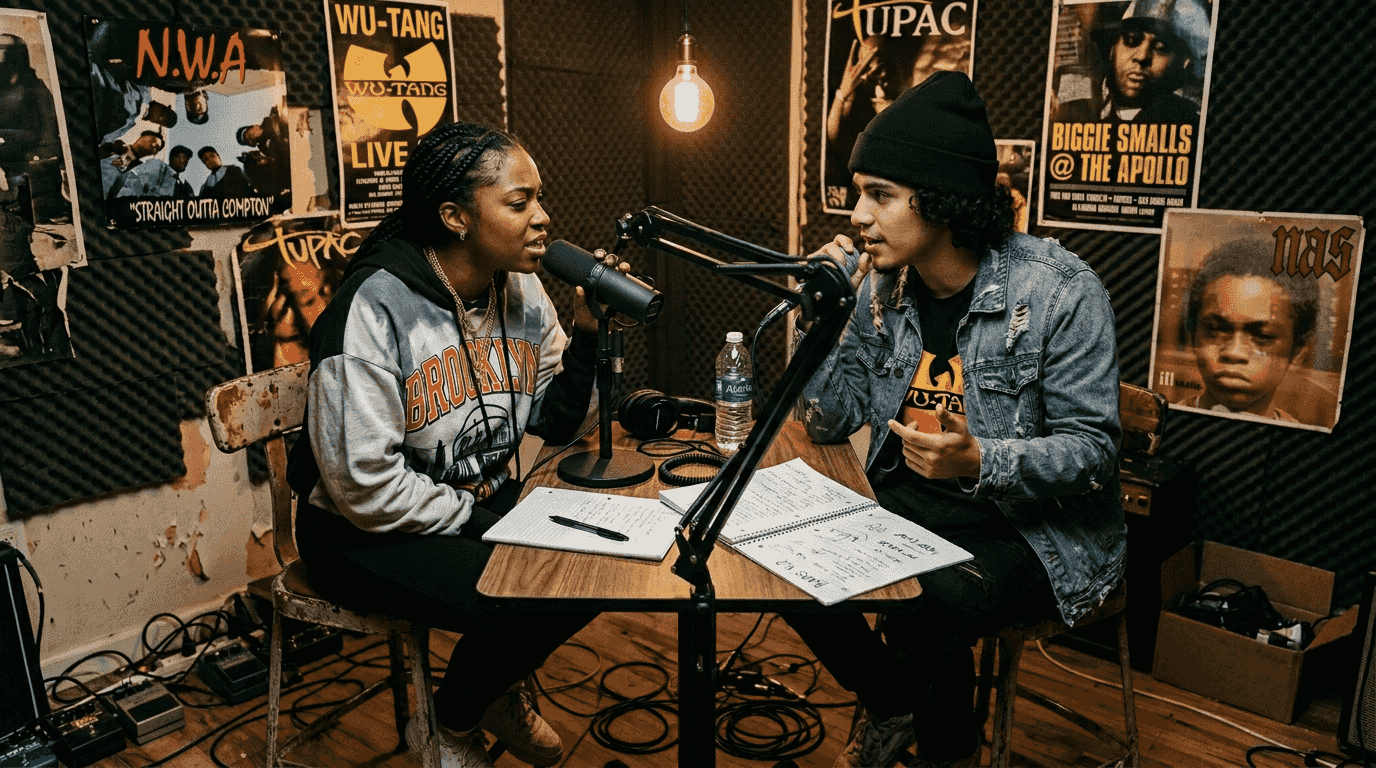
Melodic sing-song flow takes a completely different approach. Melodic sing-song flow focuses on catchy melodies with autotune effects that blur lines between rapping and singing. This style layers vocal harmonies over beats, creating infectious hooks that stick in listeners’ minds. Artists often use pitch modulation and rhythmic singing patterns to craft emotionally resonant moments. The mumble rap style sometimes overlaps here, prioritizing vibe and melody over lyrical clarity.
Rapid-fire tongue-twisting flow showcases technical virtuosity. Rappers employing this style pack syllables into impossibly tight spaces, demonstrating breath control and precision timing. Lightning-fast delivery combines with complex internal rhyme schemes and multisyllabic patterns. The result feels like linguistic acrobatics, challenging listeners to catch every word while maintaining musical momentum. This approach requires extensive practice and natural talent for rhythmic manipulation.
Smooth flow emphasizes laid-back rhythm and vivid storytelling that invites listeners into narrative worlds. Artists using this style favor relaxed pacing, allowing space between phrases for beats to breathe. Conversational delivery creates intimacy, making complex stories feel like personal conversations. This approach suits reflective content and detailed scene-setting, offering comfort rather than confrontation.
Pro Tip: Experiment across multiple flows during practice sessions to discover your authentic voice rather than imitating one style exactly, as versatility strengthens overall performance skills.
Rap styles through history: from Bronx origins to modern subgenres
Rap music originated in Bronx, New York in early 1970s when DJs and MCs transformed block parties into cultural movements. These pioneers created new art forms by manipulating turntables and delivering rhythmic spoken word over breakbeats. The raw energy of street performances established rap’s core DNA: rhythm, rhyme, and real-life storytelling that gave voice to marginalized communities.

Old school rap laid the foundation with DJs like Kool Herc who isolated percussion breaks, creating extended dance sections. MCs developed call-and-response patterns, simple rhyme schemes, and party-rocking energy. This era defined fundamental elements that all future styles would build upon, establishing rap as a legitimate musical form rather than passing fad.
Golden Age rap diversified into conscious hip-hop, jazz rap, gangsta rap and other subgenres during the late 1980s and early 1990s. Artists explored complex social commentary, sampled jazz instrumentation for sophisticated soundscapes, and documented street realities with unflinching honesty. This period saw stylistic experimentation explode, proving rap could address any subject matter with any sonic approach. Regional scenes from East Coast to West Coast developed distinct identities.
Modern rap includes emo and mumble rap styles that reflect contemporary emotional landscapes and production innovations. Emo rap blends vulnerable lyrics about mental health with melodic delivery, while mumble rap prioritizes atmospheric vibes over lyrical clarity. These developments show rap’s continued evolution, adapting to new generations while maintaining connections to foundational elements. Understanding this rap evolution history contextualizes current trends within hip-hop’s broader trajectory.
| Era | Dominant Styles | Key Characteristics |
|---|---|---|
| 1970s Origins | Block party rap | DJ-driven, call-and-response, party energy |
| 1980s Old School | Foundation rap | Simple rhymes, drum machine beats, pioneering spirit |
| Late 80s-90s Golden Age | Conscious, jazz, gangsta | Complex lyrics, sample-heavy production, regional diversity |
| 2000s-2010s | Southern trap, emo rap | 808 bass, melodic hooks, emotional vulnerability |
| 2020s Modern | Mumble, melodic drill | Atmospheric production, genre blending, global influences |
Canadian rap voices: resilience and creativity in diverse styles
Canadian hip-hop artists contribute unique perspectives to rap’s stylistic landscape, blending diverse flows with culturally grounded storytelling. Cadence Weapon transitioned from anger-driven to craft-focused rap over his two-decade career, showcasing artistic evolution that mirrors personal growth. His work demonstrates how rappers can shift stylistic approaches while maintaining authentic voices, moving from raw aggression to refined technical execution without losing edge.
Shad’s social-conscious storytelling is authentic and witty, representing earnest hip-hop that prioritizes substance over flash. His smooth, conversational flow carries complex ideas about identity, society, and personal experience with accessible clarity. Shad proves that laid-back delivery styles can tackle serious subjects without sacrificing entertainment value or lyrical depth.
Both artists represent rap as a platform for personal and cultural dialogue, using their Canadian perspectives to explore themes of resilience amid social change. Their diverse stylistic choices from aggressive punchlines to melodic introspection show how regional scenes develop distinct voices within global hip-hop. Canadian rap’s emphasis on authenticity and social awareness offers aspiring artists models for building careers rooted in genuine expression rather than trend-chasing.
Pro Tip: Study local artists’ stories and stylistic journeys to find inspiration in cultural resilience and creativity, as regional scenes often reveal authentic approaches overlooked by mainstream narratives.

Exploring hip hop culture influence reveals how these Canadian contributions fit within broader movements shaping identity and artistic expression worldwide.
Explore more about hip-hop culture and rap style mastery
You’ve discovered how rap styles shape artistic identity and connect performers with audiences through diverse flows and techniques. Ready to deepen your hip-hop knowledge? Discover how hip-hop influence and culture shapes global communities and personal identities beyond music alone. Understanding cultural context enriches appreciation for stylistic choices artists make.
Explore the language that defines rap communities through hip hop slang analysis, where words carry coded meanings and cultural significance. Learning this vocabulary helps you decode lyrical references and participate authentically in hip-hop conversations. Then dive into classic rap albums that influenced the genre’s growth, hearing firsthand how legendary artists applied different styles to create timeless works. These resources transform passive listening into active engagement with hip-hop’s rich artistic traditions.
FAQ
What are the most common rap flow types?
Aggressive, melodic, rapid-fire tongue-twisting, and smooth laid-back flows represent the most common rap styles. Each type uses unique rhythm patterns and delivery techniques to create distinct emotional effects. Aggressive flows emphasize power and confrontation, while melodic approaches blend singing with rapping for catchy hooks. Rapid-fire styles showcase technical skill through dense wordplay, and smooth flows prioritize storytelling clarity with relaxed pacing.
How has Canadian hip-hop influenced rap styles?
Canadian artists contribute socially conscious, witty, and personal storytelling that expands rap’s thematic range. They blend diverse flows from aggressive to melodic, showcasing resilience amid cultural conversations about identity and social justice. Artists like Cadence Weapon and Shad demonstrate how regional perspectives create authentic voices that resonate beyond geographic boundaries. Their work proves rap styles can address complex subjects while maintaining entertainment value and technical excellence.
Why is understanding flow important in rap music?
Flow shapes how rappers ride beats to deliver emotion and narrative content effectively. Mastering flow techniques helps artists connect authentically with listeners by aligning vocal rhythms with musical elements. Understanding different flow types allows performers to choose approaches matching their message and personality. This knowledge separates technically proficient rappers from those who simply recite lyrics, creating memorable performances that showcase both skill and artistic vision.
Recommended
- Regional Rap Styles: Unpacking the Distinctive Beats and Flows from City to City – Stevie The Manager aka Stangr The Man
- The Unforgettable Top 100 Best Rap Songs of all Time: A Timeless Journey – Stevie The Manager aka Stangr The Man
- Hip Hop Genres: 45% Rise in Canadian Trap & Drill
- Rap Battles: A Deep Dive into the Culture and Techniques Behind the Mic – Stevie The Manager aka Stangr The Man

No Comments