

Hip-hop resilience: 5 stories of perseverance
Hip-hop has always been built on survival. But in a genre where hype moves fast and social media can manufacture overnight legends, finding stories of real resilience takes work. The artists who grind through poverty, legal battles, addiction, and loss rarely get the same spotlight as those who blow up overnight. Yet their journeys carry the most weight. This article spotlights evidence-backed stories of hip-hop artists who turned genuine adversity into lasting impact, with a special focus on the Canadian rap scene where those barriers run even deeper.
Table of Contents
- Criteria for selecting true hip-hop resilience stories
- Doechii: From job loss and homelessness to Grammy-winning artist
- Pressa: Canadian rap’s comeback king
- Comparing the journeys: Key resilience factors across hip-hop
- Applying hip-hop resilience: Lessons for fans and aspiring artists
- Why mainstream success isn’t the only measure of resilience
- Explore more hip-hop culture and resilience
- Frequently asked questions
Key Takeaways
| Point | Details |
|---|---|
| Resilience defines hip-hop | Overcoming adversity is central to hip-hop culture and inspires fans and artists alike. |
| Evidence-backed artist journeys | Stories like Doechii and Pressa prove real transformation possible with perseverance. |
| Lessons for Canadian rap | Canadian artists face unique challenges, making their resilience especially important for fans. |
| Apply resilience to your life | Channel adversity into creative expression and build supportive networks to succeed. |
Criteria for selecting true hip-hop resilience stories
Not every hard-luck story qualifies as a resilience story. The word gets used loosely, and that waters down its meaning. To build this list, we used a clear framework that separates real transformation from polished PR narratives.

Resilience is measured by overcoming personal, career, and societal adversity. That means we looked for artists who faced documented obstacles and came out the other side with something to show for it, artistically and personally.
Here’s what we evaluated:
- Personal adversity: Poverty, homelessness, addiction, mental health struggles, or family trauma
- Career obstacles: Industry rejection, lack of resources, limited visibility, or label disputes
- Societal barriers: Systemic inequality, legal trouble, racial bias, or geographic disadvantage
- Artistic achievement: Albums, awards, or cultural impact that reflect the journey
- Personal transformation: Evidence of growth, not just success on paper
The stories that made the cut show all five. And if you want to understand why these qualities matter so deeply in rap, the classic hip-hop lessons embedded in the genre’s history explain a lot about where this culture came from.
Pro Tip: Don’t limit your search to mainstream names. The most powerful resilience stories often come from underground or emerging scenes where artists have no safety net and everything to prove.
The framework above keeps things honest. It prevents us from calling someone resilient just because they had a rough childhood and then got famous. Transformation has to be visible in the music and in the life.
Doechii: From job loss and homelessness to Grammy-winning artist
One of the most striking stories on our list is Doechii’s rise from hardship to international acclaim. Her path wasn’t a straight line. It was a series of setbacks that would have stopped most people cold.
Doechii overcame job loss, homelessness, addiction, and depression to win a Grammy for Best Rap Album in 2025. That sentence alone carries enormous weight. These weren’t minor inconveniences. They were life-altering crises that she had to fight through one at a time.
Here’s a quick look at her journey:
- Lost her job and faced financial collapse before her music career took off
- Experienced homelessness during a period when most people her age were building stability
- Battled addiction and depression while trying to establish herself in a competitive industry
- Released Alligator Bites Never Heal, a project that hit the culture hard and proved her artistic range
- Won the Grammy for Best Rap Album, becoming one of the most talked-about artists in the genre
“Winning doesn’t erase the struggle. It proves the struggle was worth it.”
Her album Alligator Bites Never Heal wasn’t just a commercial success. It was a cultural statement. The project showed that vulnerability and aggression can coexist in rap, and that an artist’s darkest chapters can become their most powerful material.
If you want to track where Doechii’s momentum is heading next, check out the 2026 hip-hop Grammy nominees for context on where she stands in the current landscape. And for a broader look at how artists like her are reshaping the genre, the conversation around female rappers shaping hip-hop is essential reading.

Doechii’s story matters because it’s specific. It’s not vague inspiration. It’s documented struggle followed by documented achievement.
Pressa: Canadian rap’s comeback king
Doechii’s story leads us to another standout example from Canada: Pressa, whose resilience shaped his music and trajectory in ways that feel deeply rooted in the realities of Toronto street life.
Pressa rose from father imprisonment, street life, and kidnapping charges) (which were cleared) to a No. 1 debut album with Prestige. His story isn’t just about music. It’s about navigating a system that was stacked against him from the start.
His path included:
- Growing up with his father imprisoned, which shaped his worldview and his lyrics from an early age
- Deep involvement in street life that brought real danger and legal exposure
- Facing serious criminal accusations that could have ended his career before it started
- Building credibility in the Toronto rap scene through raw, authentic storytelling
- Securing major international collaborations and landing a No. 1 album debut
“The streets gave me the story. Music gave me the way out.”
What makes Pressa’s resilience stand out is how directly his adversity feeds his art. He didn’t sanitize his past to appeal to a wider audience. He leaned into it, and audiences responded. That authenticity is what separates artists who survive from artists who connect.
Understanding Pressa’s rise also means understanding the Canadian hip-hop roots that shaped the environment he came from. And his international reach shows why studying best rap collaborations reveals how Canadian artists are building bridges beyond their borders.
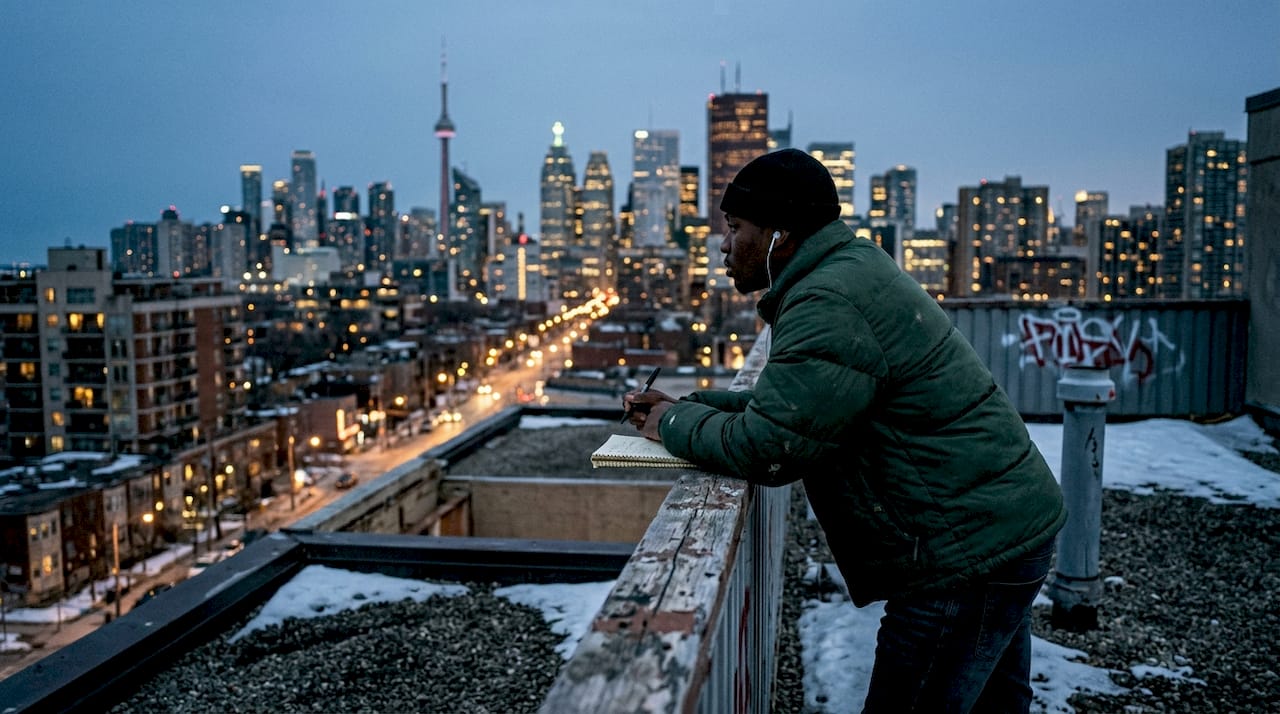
Pro Tip: Study your local scene. The artists navigating systemic barriers in smaller markets often develop a toughness and authenticity that mainstream-groomed artists simply don’t have.
Comparing the journeys: Key resilience factors across hip-hop
With individual journeys examined, let’s directly compare their resilience strengths and what sets these artists apart.
Both artists overcame adversity, Doechii with deeply personal challenges, Pressa with societal and legal obstacles. The types of adversity differ, but the outcome is the same: music that carries real weight.
| Factor | Doechii | Pressa |
|---|---|---|
| Primary adversity | Homelessness, addiction, depression | Father imprisoned, street life, legal charges |
| Turning point | Release of Alligator Bites Never Heal | Cleared charges, debut album Prestige |
| Artistic milestone | Grammy for Best Rap Album 2025 | No. 1 debut album, international collabs |
| Cultural impact | Reshaped female rap narrative | Elevated Toronto street rap globally |
| Resilience type | Personal and emotional | Societal and systemic |
Pressa’s No. 1 debut) and Doechii’s Grammy win both represent the same core truth: adversity, when processed honestly, becomes the most compelling creative fuel in hip-hop.
What fans can take from this comparison:
- Different struggles, same drive: Your specific obstacles don’t define your ceiling
- Authenticity wins: Both artists succeeded by leaning into their real stories
- Timing matters: Both artists built credibility before their big moments arrived
For more on how these kinds of stories fit into the bigger picture, rap’s captivating narratives break down why storytelling is the genre’s most powerful tool. And if you want to see how these artists stack up historically, the best hip-hop artists list puts their achievements in long-term perspective.

Applying hip-hop resilience: Lessons for fans and aspiring artists
Comparing the examples illuminates practical takeaways. Here’s how fans and artists can apply resilience in their own lives and creative work.
Resilience in hip-hop is not just survival. It transforms storytelling and empowers communities. That’s the part that often gets lost when we focus only on the awards and the streams.
- Harness your adversity as creative material. The specific details of your struggle are what make your story original. Don’t hide them. Shape them into something people can feel.
- Build a network that holds you up. Both Doechii and Pressa had communities around them. Isolation kills momentum. Find your people early.
- Channel pain into craft, not just content. There’s a difference between talking about pain and actually processing it through your art. The second one connects deeper.
- Stay consistent before the breakthrough. Neither artist blew up overnight. They built credibility through volume and authenticity before the big moment arrived.
- Document your journey. Fans connect with process, not just results. Sharing the grind builds loyalty that lasts beyond any single release.
Pro Tip: Use your real story to connect with audiences. Manufactured personas fade. Authentic narratives compound over time and build the kind of fanbase that sticks around.
Understanding hip-hop’s influence on identity helps explain why these lessons hit differently in this genre than anywhere else. And if you’re building your sound, knowing which influential rap producers are shaping the current landscape gives you a real edge.
Why mainstream success isn’t the only measure of resilience
Here’s the take that most hip-hop articles won’t give you: Grammy wins and No. 1 albums are incredible, but they’re not the only proof that resilience is real.
The influence of 90s hip hop reminds us that some of the most impactful artists in the genre’s history never cracked the mainstream. They built movements in basements, on street corners, and through word of mouth. That kind of resilience, the kind with no reward in sight, is arguably harder than anything a major label artist faces.
In Vancouver, in Toronto, in cities across Canada, there are artists right now grinding through the same obstacles Pressa and Doechii faced. Most of them won’t win Grammys. That doesn’t make their stories less powerful. It makes them more urgent. If you’re only paying attention to the artists who already made it, you’re missing the most honest version of what hip-hop resilience actually looks like.
Seek out the local voices. Support the emerging artists. The full picture of resilience in this genre lives at every level, not just at the top.
Explore more hip-hop culture and resilience
These stories are just the beginning. Hip-hop’s history is packed with artists who turned impossible odds into unforgettable music, and there’s always more to discover.


If you want to go deeper, start with the origins of hip-hop culture to understand the foundation these artists are building on. From there, hip-hop’s impact on identity and community gives you the bigger context for why resilience stories matter so much in this space. And if you want to stay connected to an artist living this journey in real time, the Stangr The Man official site is where Stevie The Manager shares his story, his music, and his perspective on the culture straight from Vancouver, BC.
Frequently asked questions
What makes a hip-hop artist resilient?
A hip-hop artist’s resilience comes from overcoming personal, social, or career adversity and channeling those experiences into creative and cultural impact. Resilience is measured across personal, career, and societal dimensions, not just by chart performance.
Are Canadian rap artists more likely to face unique obstacles?
Yes, Canadian rap artists often face additional barriers like limited industry infrastructure and cultural visibility compared to American counterparts, making their breakthroughs more significant. Pressa’s path) from street life and legal trouble to a No. 1 album is a clear example of that extra layer of challenge.
Can fans support hip-hop resilience in their community?
Fans support local artists most effectively by amplifying their stories on social media, attending live events, and actively encouraging authentic storytelling over manufactured personas.
How do struggles influence hip-hop storytelling?
Struggles add emotional depth and realism that listeners recognize immediately, making the music feel true rather than performed. Resilience transforms storytelling and empowers communities in ways that polished, struggle-free narratives simply cannot.
Where can I learn more about hip-hop’s impact and resilience?
Start with resources like “What is hip-hop culture?” for foundational context, then explore artist-specific guides and community stories to build a fuller understanding of resilience across the genre.
Recommended
- Hidden Life Lessons: What Classic Hip Hop Taught Me About Success – Stevie The Manager aka Stangr The Man
- The Story Behind Hip Hop Culture: What Most People Don’t Know – Stevie The Manager aka Stangr The Man
- Why hip-hop is influential: culture, identity, impact
- Why the hip-hop community matters: culture and connection

No Comments