
15 Essential 90s Hip-Hop Classics Albums Celebrating Their 30th Anniversary in 2026
The classic hip-hop albums that defined a generation are turning 30, and nostalgia hits hard. The year 2026 marks three decades since 1996 – perhaps the most influential year in hip-hop history.
These albums shook the cultural landscape like earthquakes. 2Pac’s monumental “All Eyez on Me” changed everything. Jay-Z showcased elite lyricism on “Reasonable Doubt,” and The Fugees created their genre-blending masterpiece “The Score.” These records shaped more than just a year – they defined an era. Outkast’s “ATLiens” showed that the South had something important to say through its mix of futuristic production and sharp storytelling.

The rap masterpieces of 1996 went beyond music. They shaped fashion trends, created distinct regional sounds, and became the soundtrack for 90s youth culture. These albums still strike a chord today and stand as proof of hip-hop’s golden age. The 30th anniversary celebration calls for revisiting 15 groundbreaking albums that did more than top charts – they changed the game forever.
2Pac – All Eyez on Me
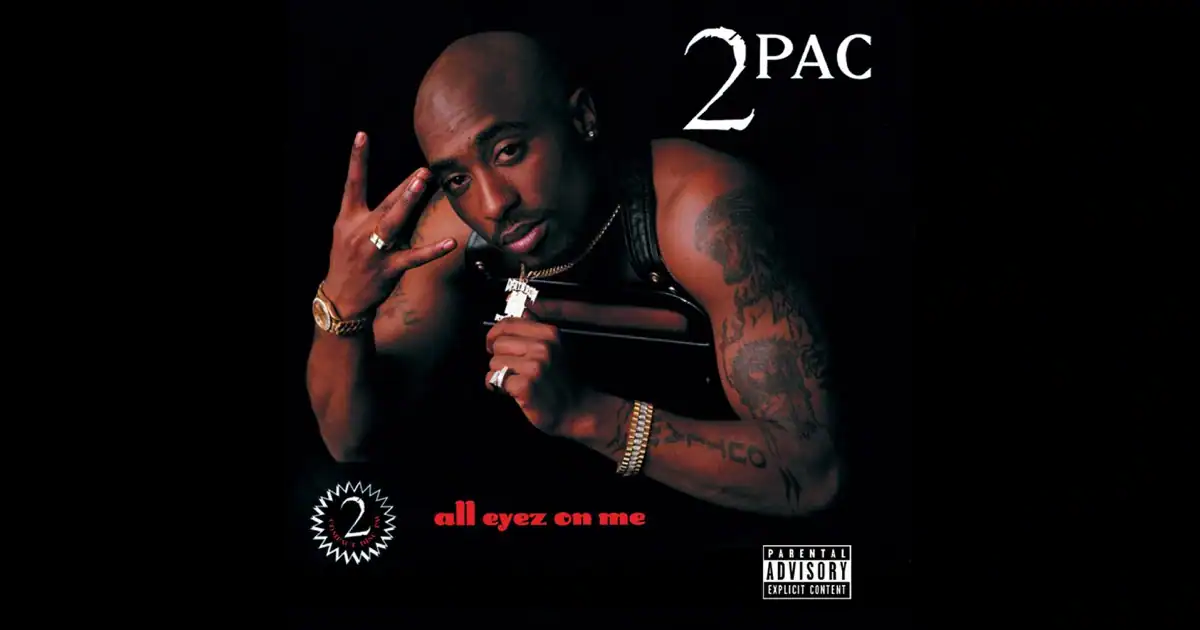
2Pac’s “All Eyez on Me” became a monumental achievement in 90s hip-hop classics after its release on February 13, 1996, just seven months before his tragic death. This fourth studio album marked a pivotal moment in hip-hop history as the first-ever double-disk album of original material in the genre.
Key Features
“All Eyez on Me” set new standards with its ambitious 27-track, 133-minute spread across two disks. Billboard Hot 100 chart-topping singles included “How Do U Want It” (featuring K-Ci & JoJo) and “California Love” (with Dr. Dre). The project brought together an impressive lineup of artists like Snoop Doggy Dogg, Method Man, Redman, and Dr. Dre, though it took just two weeks to record [7,11]. Producer Johnny “J” shaped the album’s signature sound by crafting eleven of the twenty-seven tracks. The album demonstrated 2Pac’s versatility through celebratory anthems like “California Love” and thoughtful tracks such as “I Ain’t Mad at Cha”.
Cultural Significance
2Pac’s prison release and the notorious 1994 Quad studio shooting preceded this crucial album. His Death Row Records signing strengthened his West Coast connection, which the album cover’s iconic “westside” hand symbol proudly displayed. “California Love” became more than a hit single—it emerged as the definitive West Coast anthem. 2Pac’s lyrics “Only in Cali where we riot, not rally, to live and die” captured California’s urban culture perfectly. The album revealed 2Pac’s transformation into a harder, more intense artist after his time behind bars.
Lasting Impact
“All Eyez on Me” earned Diamond certification in 2014 by shipping over 5 million copies, securing its place among hip-hop’s best-selling releases. The album’s success paved the way for other double-album releases like Biggie’s “Life After Death” and Wu-Tang Clan’s “Wu-Tang Forever”. The album stands as a defining pillar of West Coast hip-hop, alongside Dr. Dre’s “The Chronic” and Snoop’s “Doggystyle”. It won the 1997 Soul Train Music Award for Rap Album of the Year posthumously and earned a Best Rap Album nomination at the 39th Grammy Awards. As its 30th anniversary approaches, “All Eyez on Me” continues to appeal as a snapshot of mid-90s hip-hop and proof of 2Pac’s lasting artistic vision.
Jay-Z – Reasonable Doubt
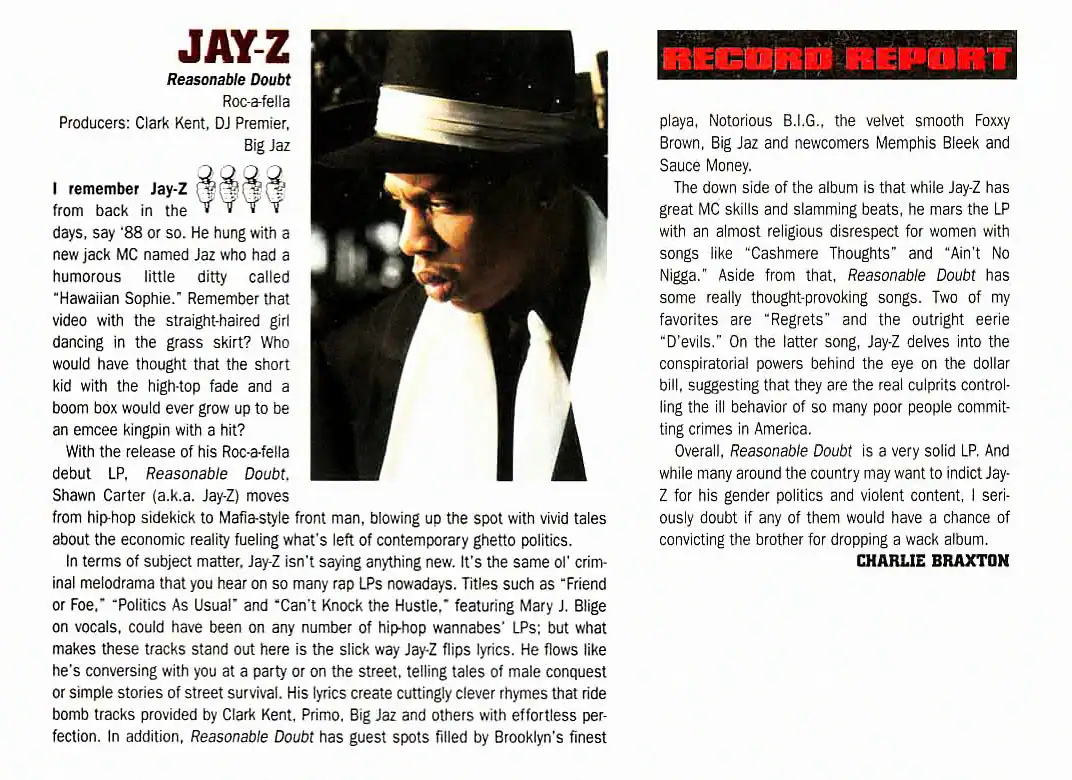

The East Coast-West Coast rivalry dominated hip-hop in 1996. Brooklyn hustler Shawn Carter released his debut masterpiece during this time. This album started as a commercial underperformer but grew to become the life-blood of rap. Jay-Z’s “Reasonable Doubt” peaked at #23 on Billboard 200 and earned its place among the greatest 90s hip-hop classics.
Reasonable Doubt lyrical themes
The album’s lyrics showcase mafioso rap themes with “gritty realism”. Jay-Z used his studio sessions as “a psychiatrist’s couch”. He explored how hustling “can do to a person’s inner peace, and what it can do to their mind”. His raw honesty shines through as a street hustler who rapped about his experiences. Jay presents himself as “cocky bordering on arrogant, yet playful and witty”. The album reveals his psychological depth through striking imagery. His flow stays casual even while portraying the mafioso character on the album cover. This confidence carries subtle undertones of sadness and stress.
Reasonable Doubt production style
The production takes us back to “the pre-gangsta era, a foregone era when samples fueled the beats and turntablism supplied the hooks”. DJ Premier, Knobody, and DJ Clark Kent served as the primary producers. They created a “luxurious, yet ominous” cinematic atmosphere. Smooth beats drive songs like “Can’t Knock the Hustle”. “Politics as Usual” features R&B sounds with a Stylistics sample. “Dead Presidents” samples Nas’ voice from “The World Is Yours”. Many fans call it the album’s standout track.
Reasonable Doubt influence on East Coast rap
The album’s original sales reached only 43,000 units in its first week. Yet “Reasonable Doubt” achieved platinum status and joined the Grammy Hall of Fame’s 2025 class. This masterpiece helped shift gangsta rap into mafioso rap. It brought high-class, expensive lifestyle imagery into hip-hop’s mainstream. Jay-Z became known as “the drug dealers’ rapper” and emerged as serious competition for Biggie and Nas. Artists like Pusha T and Kendrick Lamar show the album’s lasting influence. “Reasonable Doubt” stands as a blueprint that shaped hip-hop’s future.
Nas – It Was Written
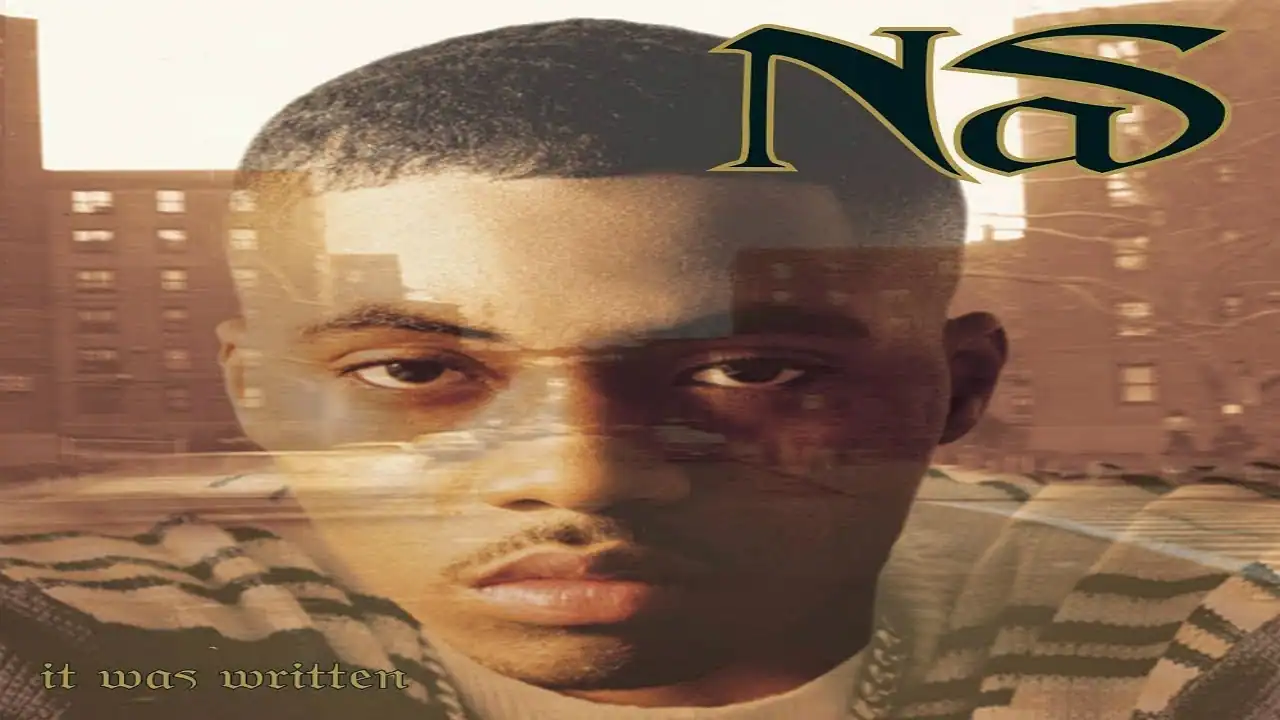
Nas came back with his sophomore effort It Was Written on July 2, 1996, after Illmatic’s critical acclaim. The album made a major move toward a more polished, mainstream sound but managed to keep Nas’s exceptional storytelling abilities. This 1996 rap masterpiece hit number one on the Billboard 200 chart and sold an impressive 270,000 copies in its first week.
It Was Written storytelling
Nas took on the alias “Nas Escobar” (inspired by Colombian drug lord Pablo Escobar) and crafted vivid narratives that built upon the dark, lucid accounts of Queensbridge life. His dense, virtuosic wordplay shines through tracks like “The Message” where he tells breathless stories about “brief hospital stays and unsolvable shootings”. “I Gave You Power” stands out as the album’s most brilliant track conceptually. Nas tells the story from a gun’s point of view, creating what many call “one of the most visually evocative songs of Nas’s career”. His first-person tale of a “reluctantly well-traveled firearm” helped establish him as “one of hip-hop’s premier lyricists”.

It Was Written production
Trackmasters (Poke & Tone) led the production, which moved away from Illmatic’s raw, underground esthetic. DJ Premier added his touch with the jazz fusion-styled “I Gave You Power,” which features “falling piano notes and stuttering drums”. Havoc, Dr. Dre, and L.E.S. also contributed to the production, creating what critics called “theatrically optimistic production”. The album helped define the era among other 1996 classics like Jay-Z’s Reasonable Doubt and Ghostface Killah’s Ironman.
It Was Written legacy
It Was Written remains Nas’s best-selling album, now certified triple platinum with at least 2.5 million copies sold. The album introduced the hip-hop supergroup The Firm, which featured AZ, Foxy Brown, and Cormega. Hip-hop purists criticized Nas’s more commercial direction at first, but time has proven the album to be crucial to his artistic growth. The record, along with Raekwon’s Only Built 4 Cuban Linx…, helped bring in the era of mafioso rap. Lupe Fiasco names It Was Written as his biggest inspiration, and even based his debut album Food & Liquor on its conceptual style.
Outkast – ATLiens
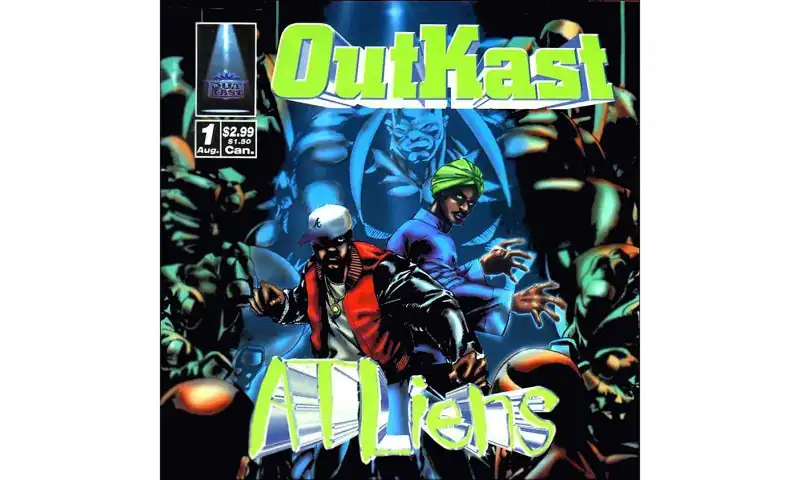
August 27, 1996 became a defining moment in hip-hop history when OutKast dropped their sophomore album ATLiens. The title merged “ATL” for Atlanta with “aliens” to show their outsider position in a hip-hop world ruled by East and West Coast artists. This 90s hip-hop classic continues to shape music as it nears its 30th anniversary in 2026.
ATLiens sound and breakthroughs
ATLiens revealed the most important changes in sound that moved away from their debut album’s party focus. The duo worked with Organized Noize to blend live instruments, dub elements, and gospel influences into their music. The album had a relaxed, spacey sound with strong echo and reverb throughout its tracks. André 3000 and Big Boi stepped behind the boards to produce “Jazzy Belle” and “Elevators (Me & You)” – their first production work. Songs like “13th Floor/Growing Old” showed this new direction through deep reflection and Mr. Rube’s powerful poem. The two-times platinum album reached No. 2 on the Billboard Top 200 chart and topped the R&B/Hip-Hop Albums in 1996.
ATLiens Southern hip-hop influence
ATLiens stood as a bold response to the hostility OutKast faced at the 1995 Source Awards, as they thought over how to stand apart from coastal hip-hop styles. Their lyrics and imagery featured the Cadillac as a symbol of Southern status. André told Spin magazine: “we stay closer to our roots here in the South… spirituals, the church, the struggle”. Their music kept one foot in Southern history while stepping into the future. The album ended up connecting Southern black experiences to global black culture.
ATLiens futuristic themes
The album’s alien concept mirrored how disconnected the duo felt from American society. The album came with striking liner notes – a 24-page comic book that OutKast created with D.L. Warfield and illustrator Vince Robinson. The story took place in Atlantis, a space city where OutKast appeared as superheroes protecting positive music. Their futuristic sound and space imagery lined up with Afrofuturist traditions. Tracks like “E.T. (Extraterrestrial)” directly tackled feelings of isolation with lyrics asking “Out of this world… Are you alien?”.

The Fugees – The Score

The Fugees dropped their second and final studio album “The Score” on February 13, 1996. This album soon became one of the defining works among 90s hip-hop classics. Lauryn Hill described it as “an audio film… almost like a hip-hop version of Tommy”.
The Score genre fusion
The Fugees created their unique sound by skillfully mixing multiple genres instead of following current trends. They combined hip-hop with reggae, R&B, soul, and even Afro-Cuban influences. Hill painted this musical blend as “a little rice and peas mixed with a little collard greens, a little mango with watermelon”. The trio stood out from their peers by adding live instrumentation to their production. Wyclef Jean, Lauryn Hill, Jerry Duplessis, and Salaam Remi formed the production team. Wyclef foresaw this album’s cultural effect matching Pink Floyd’s “The Wall”.
The Score global success
“The Score” reached extraordinary commercial heights and claimed the #1 spot on the Billboard 200. The album earned seven-times platinum certification in the United States and ranked as 1996’s third best-selling album. Its worldwide sales hit an estimated 22 million copies, securing its place among the best-selling albums ever. Their brilliant cover of Roberta Flack’s “Killing Me Softly” topped the Billboard Charts and became UK’s highest-selling single in 1996.
The Score’s influence on R&B and hip-hop
The album earned two Grammy Awards—Best Rap Album and Best R&B Performance for “Killing Me Softly”. Its genre-mixing style created opportunities for artists like will.i.am, The Black Eyed Peas, Akon, and T-Pain. The album remains the fifth-most streamed 1990s hip-hop album on Spotify as of 2021. A new generation of hip-hop and neo-soul artists like Tom Misch and Jorja Smith drew inspiration from this album. “The Score” proved that hip-hop could embrace conscious themes while finding mainstream success.
Busta Rhymes – The Coming
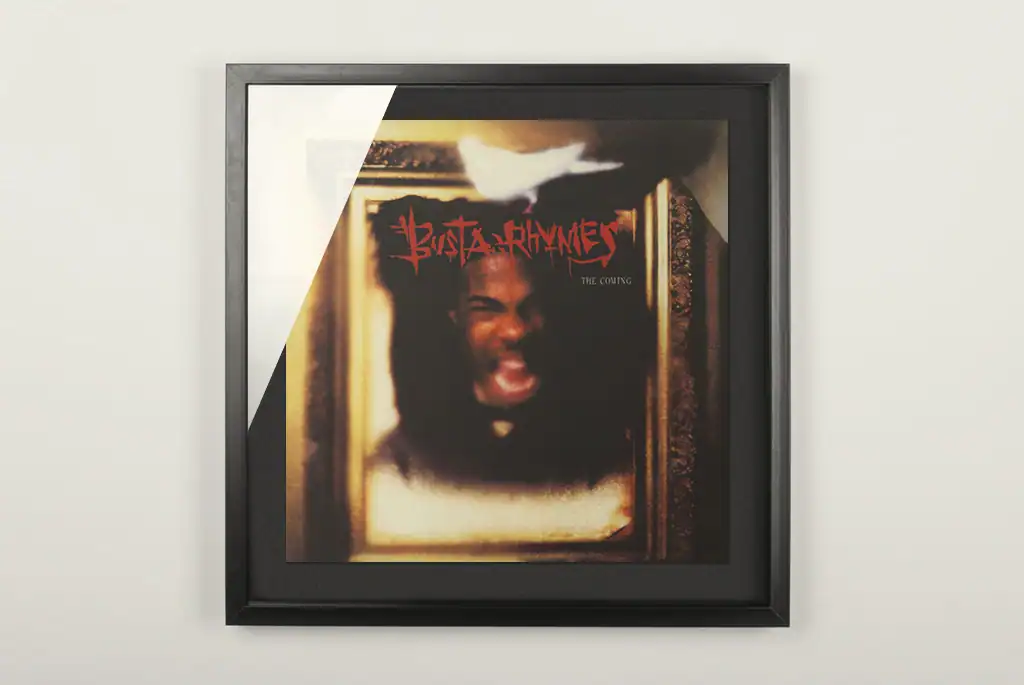
Image Source: HHV Mag
Busta Rhymes emerged as a solo artist with his debut album “The Coming” on March 26, 1996 after his success with Leaders of the New School. This 90s hip-hop classic established him as one of the genre’s most distinctive voices.
The Coming debut energy
“The Coming” captured Busta’s explosive personality in every track. The album cover displayed him in a moment of rage that embodied the album’s raw intensity. The title reflected his powerful presence that would reshape hip-hop. The album sparked a new era of NYC rap that reached its peak during the “shiny suit” phase.
The Coming standout tracks
“Woo-Hah!! Got You All in Check” became Busta’s signature hit and reached #8 on the Billboard Hot 100. Rashad Smith’s memorable Galt MacDermot sample complemented Busta’s unforgettable vocal delivery. His crossover appeal shined through “It’s a Party” featuring R&B duo Zhané. The album brought exciting collaborations – “Keep It Movin'” reunited him with Leaders of the New School, while “Flipmode Meets Def Squad” united premier rhyme crews.

The Coming’s unique style
Busta’s unconventional flow and wild imagery created new possibilities for other MCs. His work with Hype Williams on “Woo-Hah!!” shaped the visual esthetic of late ’90s NYC rap. The album’s success led to platinum certification and topped the R&B/Hip-Hop Albums chart.
UGK – Ridin’ Dirty
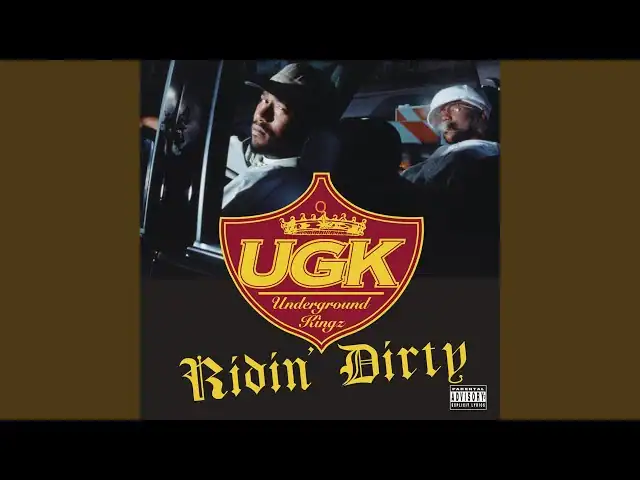
July 1996 gave us another game-changing 90s hip-hop classic when Texas duo UGK (Underground Kingz) dropped their third studio album “Ridin’ Dirty.” The coastal scenes might have ruled the mainstream, but Pimp C and Bun B created a pure Southern masterpiece that would become one of hip-hop’s most influential underground albums.
Ridin’ Dirty Southern roots
“Ridin’ Dirty” captured Port Arthur, Texas’s essence in every beat and verse. Pimp C’s production featured slow-rolling bass lines and bluesy guitar samples that echoed authentic Southern musical traditions. Songs like “Diamonds & Wood” and “3 in the Mornin'” painted raw pictures of small-town Southern life. The duo’s thick Southern drawl stood proud in their delivery. They never tried to sound like the East or West Coast styles that ruled mainstream rap back then.
Ridin’ Dirty lyrical themes
The album tells street stories through a reflective lens that hits hard. Bun B’s storytelling on “Murder” stands out as he balanced technical skill with raw emotional power. The album weaves survival, hustling, and regional pride with sharp takes on systemic inequality. “Pocket Full of Stones” kept their story going from earlier albums, showing their dedication to real storytelling that didn’t chase commercial trends.
Ridin’ Dirty’s influence on Texas rap
The album became UGK’s most praised work with no music videos and barely any radio play. It went on to shape artists from T.I. to Megan Thee Stallion. This album laid out the blueprint for Texas rap’s independent spirit and DIY style. Its underground success showed how authentic regional voices could thrive without following industry rules, which helped Southern hip-hop dominate commercially later on.
Ghostface Killah – Ironman
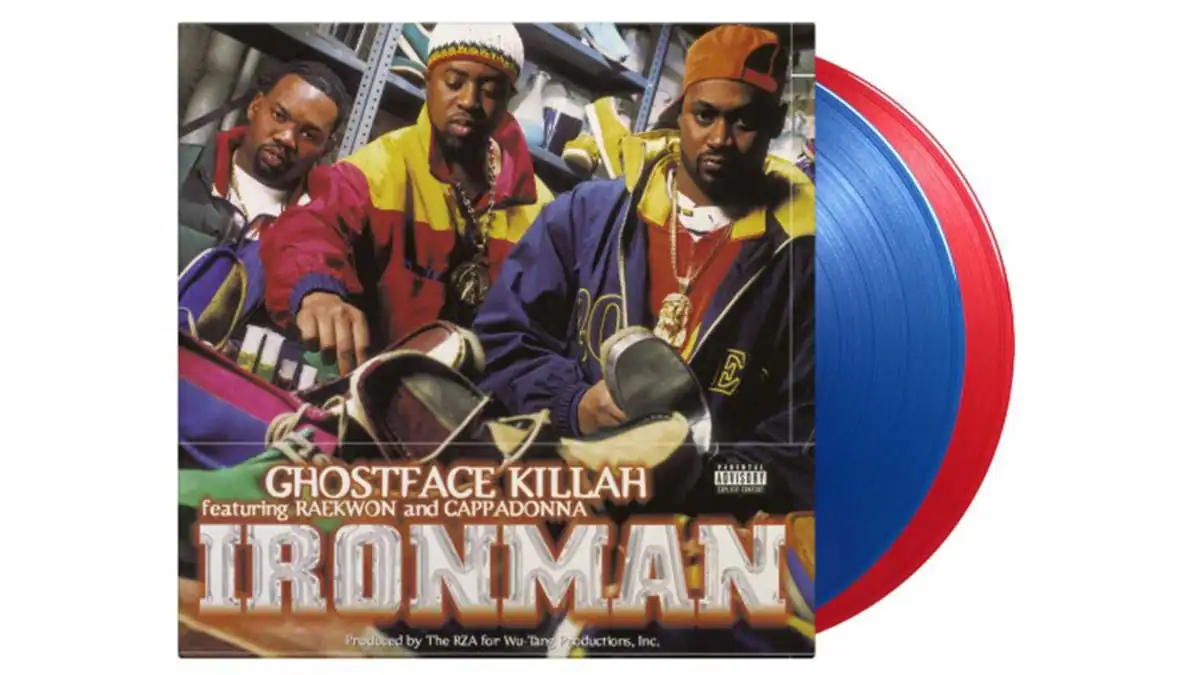
Ghostface Killah’s Ironman emerged among the groundbreaking 90s hip-hop classics on October 29, 1996. This album completed the remarkable first wave of Wu-Tang solo releases. Ghost chose the album title after a shopping trip where a shirt made him feel like “Tony Starks”—a nickname that stuck with him.
Ironman Wu-Tang connection
Ironman blended solo artistry with strong Wu family ties. [Raekwon’s voice appears on 12 of the 17 tracks](https://en.wikipedia.org/wiki/Ironman_(Ghostface_Killah_album). Cappadonna made his mark with an unforgettable verse on “Winter Warz”. The iconic cover captured all three artists rocking colorful Polo jackets and Cuban link chains. They dipped their Clarks Wallabees in dye—a style Ghost created.
Ironman soul sampling
RZA’s production brought a fundamental change toward soul-driven soundscapes. A studio flood destroyed many beats, so RZA created what Ghost called “the yellow box”—his collection of premium instrumentals. The album draws from 1970s soul legends like Al Green, Otis Redding, and The Jackson 5. It also features dialog from blaxploitation films including The Education of Sonny Carson and J.D.’s Revenge.
Ironman lyrical delivery
Ghost’s performance combined his “stream of consciousness flow” with “extraordinary technical precision”. His collaboration with Mary J. Blige on “All That I Got Is You” showed a raw emotional side, as he painted vivid pictures of childhood poverty. Of course, Ghost’s storytelling abilities shine through on “260,” where he narrates a home invasion over Al Green’s “You Ought to Be With Me”.
De La Soul – Stakes Is High
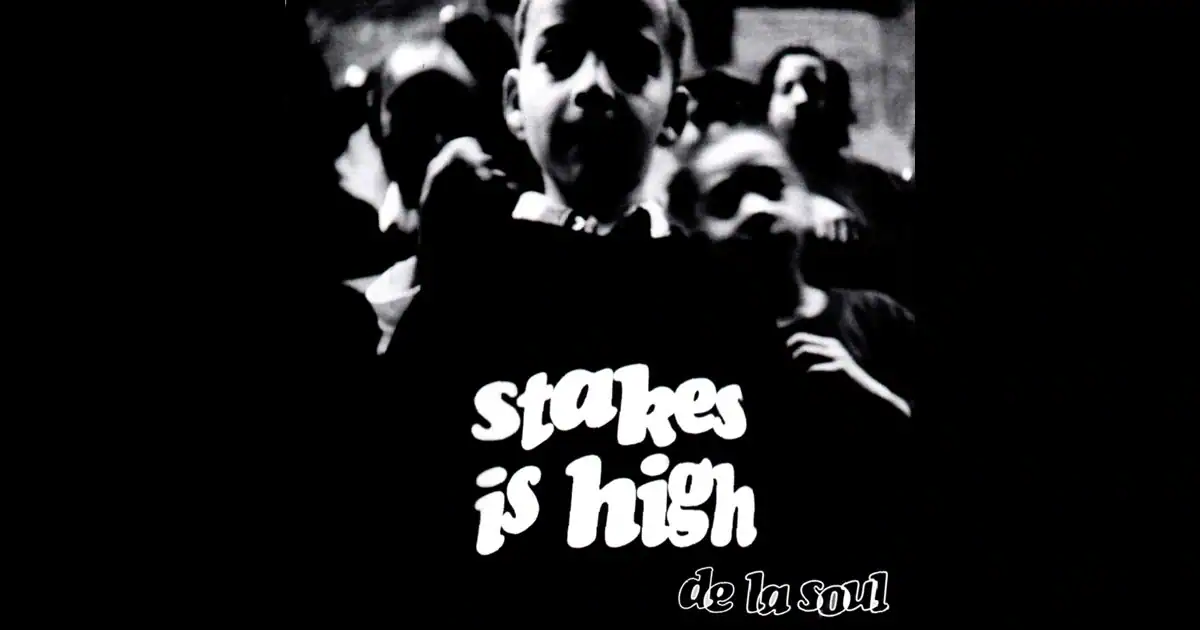
De La Soul released Stakes Is High on July 2nd during the summer of 1996. This album marked a turning point for the group since they recorded it without their longtime producer Prince Paul. The hip-hop landscape was becoming increasingly commercial, and the group had strong feelings about these changes.
Stakes Is High social commentary
Stakes Is High emerged as a raw, sharp critique of hip-hop’s direction. Posdnous and Trugoy took aim at the rise of Mafioso rap. Trugoy called out pretenders with the line “Why you acting all spicy and sheisty? The only Italians you knew was Icees”. Dove didn’t hold back on the title track when he stated “sick of R&B bitches over bullshit tracks / Cocaine and crack, which brings sickness to Blacks”. The group’s criticism reached everyone, including Biggie Smalls.
Stakes Is High authenticity
The album cast De La Soul as hip-hop culture’s concerned elders. While other artists angrily defended hip-hop’s honor, De La expressed a deeper disappointment that resonated more strongly. Songs like “Supa Emcees” highlighted how rappers had changed from their glory days. Pos made this clear when he rapped, “While you others represent, I present my rep”.
Stakes Is High production
The group took control of most production duties, with notable contributions from Jay Dee (J Dilla), who created the title track. Dilla utilized elements from Ahmad Jamal’s “Swahililand” and blended them with James Brown’s “Mind Power”. The album’s sound came alive through funk, soul, and fusion samples paired with heavy, infectious drum loops.
Crucial Conflict – The Final Tic

Chicago left its mark on the 1996 digital world after Crucial Conflict dropped their debut album “The Final Tic” on July 2. This 90s hip-hop classic brought a unique sound that stood apart from coastal offerings and helped establish the Midwest’s presence in hip-hop.
The Final Tic Midwest sound
Group member Ralph “Wildstyle” Leverston produced “The Final Tic” entirely. This gave the album a unified sound identity. The quartet came together in 1993 and chose to handle their own production. This approach let them bring their vision to life without outside influence. Their beats mixed up-tempo Southern hip-hop with dark West Coast elements. Critics called this fresh blend the distinctive “Chi-town” sound. The group created something new by mixing gangsta rap’s street stories with rodeo-style chants and country slang.
The Final Tic rapid-fire flow
The group stood out from other artists with their unique vocal style. They created their signature sound through rapid-fire, overlapping flows that brought controlled chaos to their tracks. Songs like “Hay” and “Ride the Rodeo” showed off this high-energy delivery that built their reputation for electric performances. Executive producers Fab 5 Freddy, Roy “Black Prince” Cormier, and Shorty Capone guided the project while letting the group’s distinct vocal approach take center stage.
The Final Tic’s breakout success
“Hay,” their breakthrough single with its playful weed theme and Western-influenced beat, reached #18 on the Billboard Hot 100. This catchy track with its memorable chants boosted album sales and brought their energetic style to new listeners. The album peaked at #12 on the Billboard 200 and hit #5 on Top R&B/Hip-Hop Albums charts. The RIAA awarded it gold status on September 4, 1996.
Foxy Brown – Ill Na Na
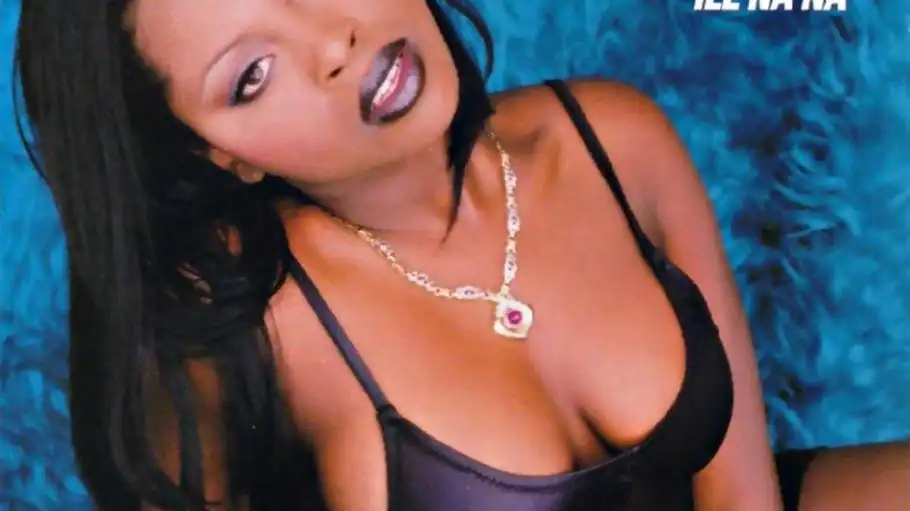
Brooklyn teenager Inga Marchand, known to fans as Foxy Brown, made her mark on the hip-hop scene when she released her debut album Ill Na Na on November 19, 1996. Her collaborations with LL Cool J, Case, and Jay-Z created buzz before her predicted album reached #7 on the Billboard 200.
Ill Na Na female empowerment
Ill Na Na changed how women presented themselves in hip-hop. Foxy stood out from other artists who toned down their femininity to compete with male artists. She owned her womanhood without apology. Her distinctive baritone voice let her showcase both street credibility and sexuality. The album redefined the limits when it became the first female rap album to reach Billboard’s top 10.
Ill Na Na production and features
Trackmasters’ polished production shaped the album’s sound. Jay-Z, Blackstreet, Method Man, and Kid Capri added their talents as featured artists. “Get Me Home” with Blackstreet climbed to #42 on the Billboard Hot 100. Her collaboration with Jay-Z on “I’ll Be” became her biggest hit, reaching #7.
Ill Na Na’s legacy in hip-hop
The album earned platinum status in just 2.7 months and sold over 1.4 million copies across the US. Its confident approach, sex-positive image, and sharp lyricism created a template that influenced future female artists from Missy Elliott to Nicki Minaj and Cardi B. This groundbreaking work secured Foxy’s place among rap’s elite performers.
Lil’ Kim – Hard Core
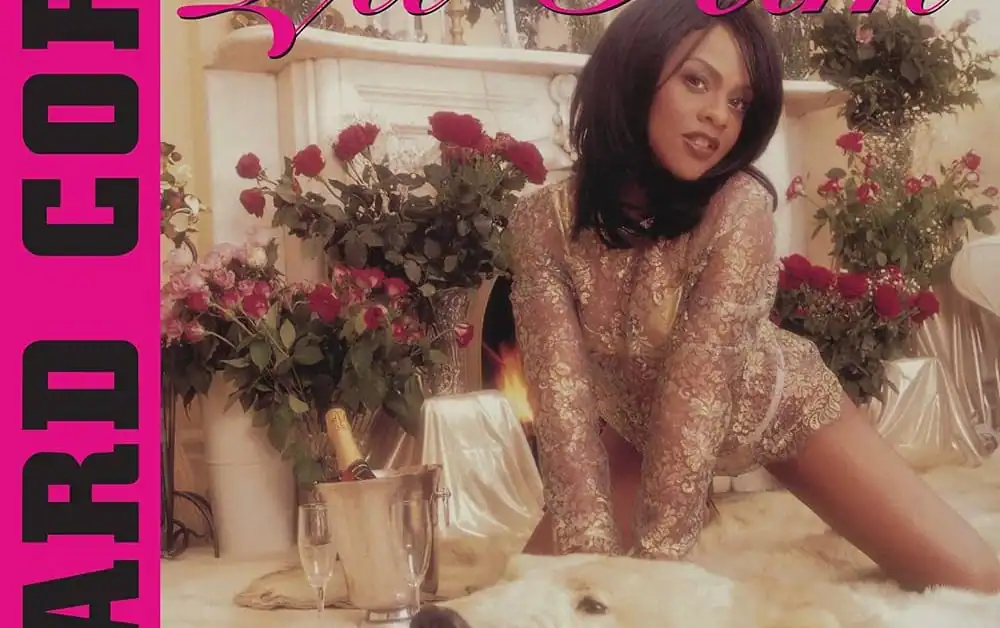
Brooklyn native Kimberly Jones, known as Lil’ Kim, shattered hip-hop’s glass ceiling with her debut album Hard Core, released on November 12, 1996. This 90s hip-hop classic defined the genre of hypersexual, dirty rap through raw content and bold presentation.
Hard Core bold lyricism
Hard Core marked a defining moment in hip-hop history through its bold approach to sexuality. Kim’s opening words—”I used to be scared of the dick, now I throw lips to the shit”—set her fearless tone immediately. Rolling Stone recognized her achievement, stating she “single-handedly raised the bar for raunchy lyrics in hip-hop, making male rappers quiver with fear”. Her confident delivery on tracks like “Not Tonight” showcased powerful lines about female pleasure. Kim built upon the foundation laid by MC Lyte and Queen Latifah, yet took it further with a feminine authority that carved new territory.
Hard Core fashion and image
The album’s marketing campaign created iconic hip-hop imagery. The luxurious cover showed Kim in sheer silk lingerie, posed on all fours atop a white polar bear rug. This visual choice perfectly matched the album’s sensual sound and royal attitude. Kim’s influence reached beyond music, as prominent designers Marc Jacobs, Donatella Versace, and Giorgio Armani competed to dress her. Her “ghetto fabulous” style created a perfect blend of street culture and luxury fashion.
Hard Core’s influence on female rap
Hard Core changed female representation in hip-hop forever. Kim’s unique approach combined sexuality with lyrical prowess, creating a template for artists like Nicki Minaj and Cardi B. Rolling Stone [ranked it the 78th best debut album ever](https://en.wikipedia.org/wiki/Hard_Core_(Lil%27_Kim_album), while Billboard crowned it the best hip-hop album cover of all time. Kim’s undeniable presence strengthened female listeners and earned respect from male hip-hop fans alike.
Redman – Muddy Waters
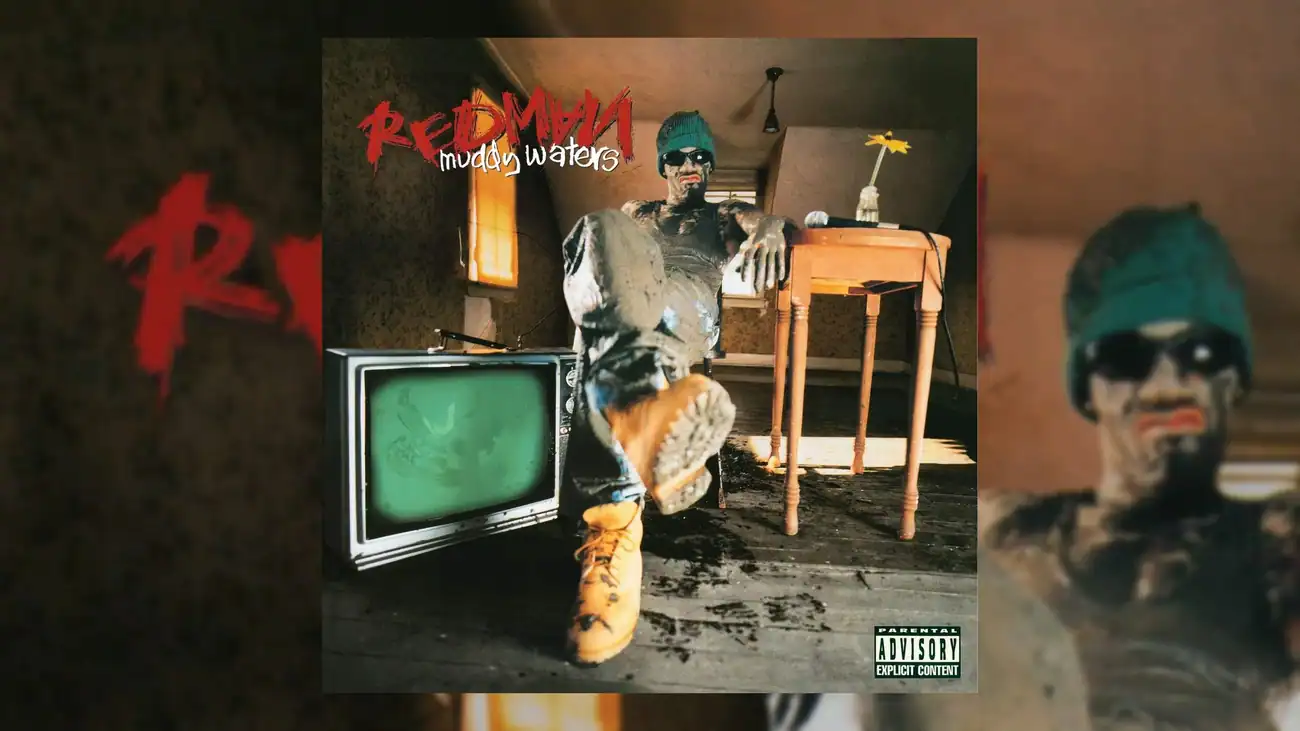
Redman’s third studio album Muddy Waters hit the streets in December 1996, standing out in the packed hip-hop scene. The grimy masterpiece, released through Def Jam Recordings [on December 10](https://en.wikipedia.org/wiki/Muddy_Waters_(album), would become his defining work. Blues and funk sounds spread through its production, giving the album its fitting title.
Muddy Waters lyrical style
Redman showed his incredible consistency as an MC throughout Muddy Waters. His rhymes hit hard no matter what the track’s mood. Critics praised his unique flow that blended “stream of consciousness” delivery with “extraordinary technical precision”. Reggie Noble masterfully switches up his cadence on tracks like “Pick It Up,” boasting “Lyrics for years that run more than ten deep”. He managed to keep his edge even on smoother songs like “Creepin'” (sampling Roy Ayers), creating what some call “the most relaxed song about robbing people ever recorded”.
Muddy Waters production
Erick Sermon took the lead as executive producer, with Rockwilder, Jerry Duplessis, and Redman adding their touch to the album’s production. The sound moves between raw anthems like “Rock Da Spot” and smooth grooves like “Da Bump”. K-Solo jumped on the first single “It’s Like That (My Big Brother),” trading verses over Just Ice’s “Cold Getting Dumb” beat. The production perfectly balanced the funk vibes of his debut with darker elements from his second album.
Muddy Waters underground appeal
AllMusic critic Steve Huey named Redman “one of the most consistent rappers of the ’90s”. The album earned Gold certification from the RIAA and fans consider it Redman’s “magnum opus”. People loved the return of his “Soopaman Luva” alter-ego’s third chapter, which played out in two parts over an extended Heath Brothers’ “Smiling Billy Suite, Pt. 2” loop. Muddy Waters nears its 30th anniversary with undeniable influence, proving Redman’s status as “one of the most dynamic, creative, and flat-out entertaining MCs of his era”.
Master P – Ice Cream Man
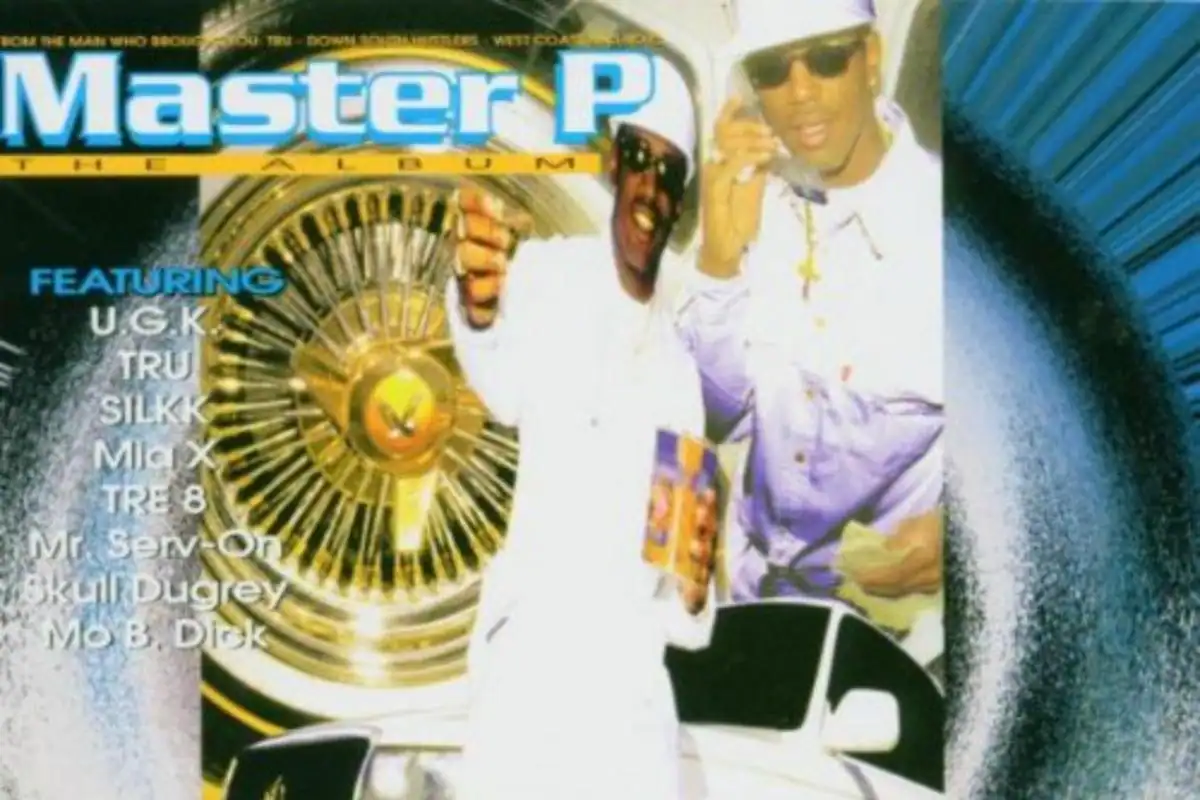
Percy “Master P” Miller found his unique path in the packed 1996 rap scene with his fifth album Ice Cream Man, released April 16, 1996. This overlooked 90s hip-hop classic would change the business of rap music forever.
Ice Cream Man Southern hustle
Master P brought his independent business sense back to New Orleans from Richmond, California. He blended Southern identity with West Coast business knowledge. The album’s title track used ice cream as a clever metaphor for drug dealing that showed P’s broader business vision. The team recorded the entire project during a single weekend to meet Priority Records’ deadline. This straightforward approach matched P’s words: “I took that hustle back home and took over the world”.
Ice Cream Man No Limit Records effect
P secured a game-changing distribution deal with Priority Records that let him keep 80-85% of profits by covering marketing and recording costs himself. Ice Cream Man became No Limit’s first platinum record and sold over 500,000 copies right away. This success proved P made the right choice when he turned down Jimmy Iovine’s million-dollar Interscope deal.
Ice Cream Man’s legacy
Ice Cream Man created new opportunities for Southern rap’s commercial success. The album laid the foundation for what became trap music and opened doors for artists like Gucci Mane and Young Jeezy. P himself said it “changed the game…it wasn’t about just being famous or being the best lyricist anymore”. This independent success led to No Limit’s explosive growth—they released 23 albums in 1998 alone.
Westside Connection – Bow Down
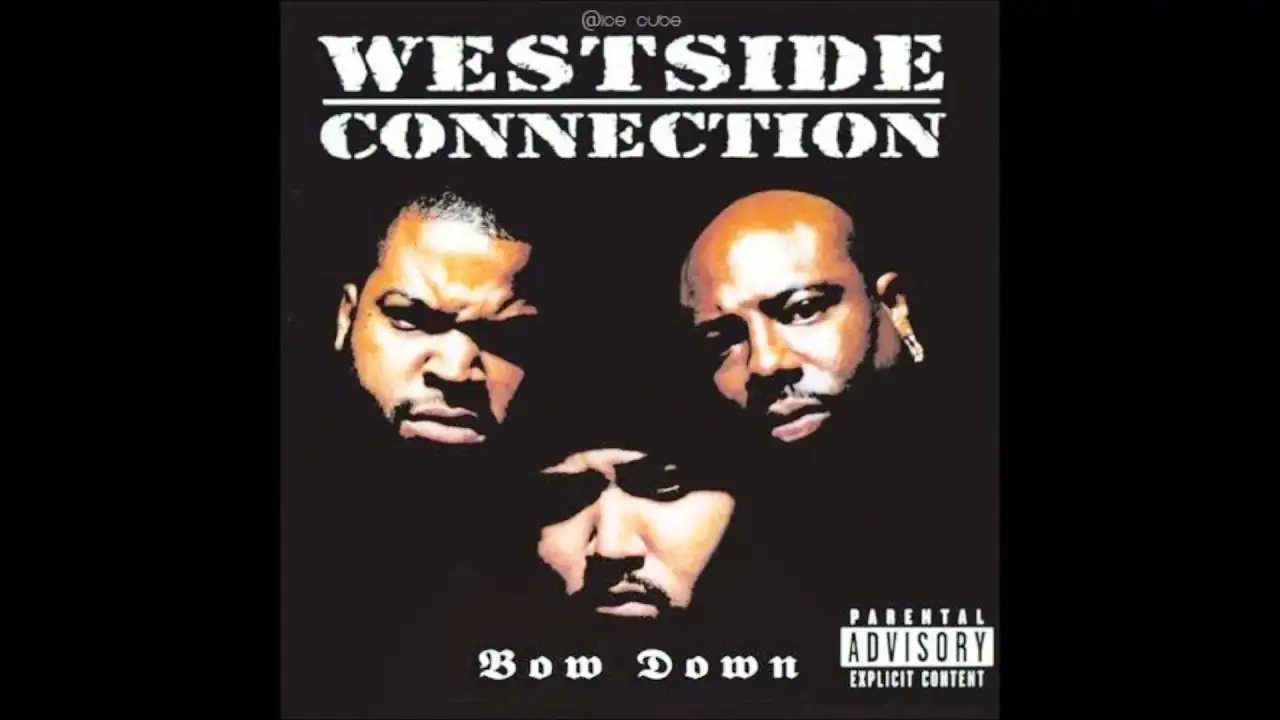
Westside Connection burst onto the 90s hip-hop classics scene with their debut album “Bow Down” on October 22, 1996. Ice Cube, WC, and Mack 10 formed this explosive collaboration, earning nicknames “The Gangsta,” “The Killa,” and “The Dope Dealer.” Their music became a battle cry for West Coast hip-hop during the fierce coastal rivalry.
Bow Down West Coast pride
The album’s title track soared to #21 on the Billboard Hot 100 and claimed the top spot on the rap chart. The group showed their territorial power through clear messages: “Bow down when you come to my town, bow down when we westward bound”. This bold anthem called for respect toward their region and gangsta rap culture. Their confident attitude put them “on a higher level than most anyone dropping at the time”.
Bow Down group dynamics
The trio teamed up with Priority Records to create what many call “the defining studio projects of the gangsta rap era”. Each member brought their unique style while the album managed to keep a unified sound. The track “The Gangsta, The Killa and The Dope Dealer” highlighted this chemistry, as WC and Mack 10 matched Ice Cube’s star power with Mack 10’s verse standing out.
Bow Down’s cultural relevance
“Bow Down” scored big commercially, reaching #2 on the Billboard 200 and earning platinum status. The album’s influence reached beyond music into entertainment, inspiring a parody on The Wayans Brothers TV show. This 1996 rap masterpiece stands today as “one of the last superb Gangsta Rap albums of the era”.
Comparison Table
| Album | Release Date | Peak Billboard 200 | Notable Singles/Tracks | Key Producers | Certification | Key Features/Collaborators |
|---|---|---|---|---|---|---|
| All Eyez on Me | Feb 13, 1996 | Not mentioned | “How Do U Want It”, “California Love” | Johnny “J”, Dr. Dre | Diamond | K-Ci & JoJo, Dr. Dre, Snoop Doggy Dogg |
| Reasonable Doubt | 1996 | #23 | “Can’t Knock the Hustle”, “Dead Presidents” | DJ Premier, Knobody, DJ Clark Kent | Platinum | Not mentioned |
| It Was Written | July 2, 1996 | #1 | “I Gave You Power”, “The Message” | Trackmasters, DJ Premier, Havoc | Triple Platinum | AZ, Foxy Brown, Cormega |
| ATLiens | Aug 27, 1996 | #2 | “Elevators (Me & You)”, “Jazzy Belle” | Organized Noize, OutKast | Double Platinum | Not mentioned |
| The Score | Feb 13, 1996 | #1 | “Killing Me Softly” | Wyclef Jean, Lauryn Hill, Jerry Duplessis, Salaam Remi | Seven Times Platinum | Not mentioned |
| The Coming | March 26, 1996 | Not mentioned | “Woo-Hah!! Got You All in Check” | Rashad Smith | Platinum | Zhané, Leaders of the New School |
| Ridin’ Dirty | July 1996 | Not mentioned | “Diamonds & Wood”, “Murder” | Pimp C | Not mentioned | Not mentioned |
| Ironman | Oct 29, 1996 | Not mentioned | “Winter Warz” | RZA | Not mentioned | Raekwon, Cappadonna |
| Stakes Is High | July 2, 1996 | Not mentioned | “Supa Emcees” | De La Soul, J Dilla | Not mentioned | Not mentioned |
| The Final Tic | July 2, 1996 | #12 | “Hay” | Ralph “Wildstyle” Leverston | Gold | Not mentioned |
| Ill Na Na | Nov 19, 1996 | #7 | “Get Me Home”, “I’ll Be” | Trackmasters | Platinum | Jay-Z, Blackstreet, Method Man |
| Hard Core | Nov 12, 1996 | Not mentioned | “Not Tonight” | Not mentioned | Not mentioned | Not mentioned |
| Muddy Waters | Dec 10, 1996 | Not mentioned | “It’s Like That”, “Rock Da Spot” | Erick Sermon, Rockwilder | Gold | K-Solo |
| Ice Cream Man | April 16, 1996 | Not mentioned | “Ice Cream Man” | Not mentioned | Platinum | Not mentioned |
| Bow Down | Oct 22, 1996 | #2 | “Bow Down” | Not mentioned | Platinum | Not mentioned |
Conclusion
These fifteen iconic albums are turning 30, and 1996 stands out as hip-hop’s most transformative year. From 2Pac’s epic double-album to Jay-Z’s mafioso masterpiece, this remarkable collection of 90s hip-hop classics changed music’s path forever.
Without doubt, 1996’s special quality came from more than just great music – it showed regional diversity at its finest. The East Coast gave us sophisticated narratives through Jay-Z’s “Reasonable Doubt” and Nas’s “It Was Written.” The West Coast answered back with 2Pac’s defiant “All Eyez On Me” and Westside Connection’s territorial “Bow Down.” Southern voices like OutKast’s “ATLiens” and UGK’s “Ridin’ Dirty” showed how hip-hop’s power went beyond coastal boundaries.
Women broke new ground that pivotal year. Lil’ Kim’s “Hard Core” and Foxy Brown’s “Ill Na Na” shattered glass ceilings with bold expressions of feminine power. These albums created blueprints that artists still follow today.
Thirty years later, these albums stay remarkably relevant. The Fugees’ genre-blending approach on “The Score” showed us what hip-hop’s future fusion with other musical styles would become. Master P’s independent business model on “Ice Cream Man” gave us a glimpse of today’s artist-owned labels and DIY distribution.
These anniversaries celebrate the moment hip-hop reached its full potential – not just as music but as cultural commentary, regional expression, and business innovation. People who heard these albums when they first dropped or found them years later know their influence shapes both hip-hop and popular culture today. These albums did more than top charts – they changed our understanding of music completely.
Key Takeaways
These 15 albums from 1996 represent hip-hop’s most transformative year, showcasing regional diversity and artistic innovation that continues to influence music today.
• 1996 marked hip-hop’s golden year – Albums like 2Pac’s “All Eyez on Me,” Jay-Z’s “Reasonable Doubt,” and The Fugees’ “The Score” defined an entire generation and changed music forever.
• Regional diversity flourished beyond coastal rivalry – Southern voices like OutKast’s “ATLiens” and UGK’s “Ridin’ Dirty” proved hip-hop’s power transcended East/West boundaries.
• Female artists shattered industry barriers – Lil’ Kim’s “Hard Core” and Foxy Brown’s “Ill Na Na” created unapologetic blueprints for feminine power that artists still follow today.
• Independent business models emerged – Master P’s “Ice Cream Man” pioneered artist-owned distribution strategies that foreshadowed today’s DIY music industry approach.
• Genre-blending predicted hip-hop’s future – The Fugees’ fusion of hip-hop with reggae, R&B, and soul on “The Score” anticipated modern music’s cross-genre experimentation.
These 30-year-old classics remain strikingly relevant, proving that 1996 wasn’t just about chart success—it fundamentally transformed how we understand music as cultural commentary, regional expression, and artistic innovation.
FAQs
Q1. What were some of the most influential hip-hop albums released in 1996? 1996 saw the release of several groundbreaking albums, including 2Pac’s “All Eyez on Me,” Jay-Z’s “Reasonable Doubt,” Nas’ “It Was Written,” and OutKast’s “ATLiens.” These albums helped define the sound and style of 90s hip-hop and continue to influence artists today.
Q2. How did female rappers impact the hip-hop scene in 1996? Female rappers made significant strides in 1996 with albums like Lil’ Kim’s “Hard Core” and Foxy Brown’s “Ill Na Na.” These releases challenged gender norms in hip-hop, showcasing unapologetic expressions of feminine power and sexuality that paved the way for future female artists in the genre.
Q3. What role did regional diversity play in hip-hop during 1996? 1996 saw a flourishing of regional diversity in hip-hop. While East and West Coast artists continued to dominate, Southern acts like OutKast and UGK gained prominence, proving that hip-hop’s appeal and creativity extended beyond the coastal rivalry.
Q4. How did the business of hip-hop evolve in 1996? Master P’s “Ice Cream Man” album exemplified a shift in the business model of hip-hop. His unprecedented distribution deal with Priority Records, where he retained a majority of profits, set a new standard for artist independence and entrepreneurship in the music industry.
Q5. What musical innovations were introduced in hip-hop albums from 1996? Albums like The Fugees’ “The Score” introduced genre-blending approaches, fusing hip-hop with elements of reggae, R&B, and soul. This experimentation with diverse musical styles foreshadowed the cross-genre collaborations that would become increasingly common in hip-hop.

No Comments