

What Is Music News Coverage: A Complete 2026 Guide
TL;DR:
- Music news coverage reports real-time industry developments, helping fans, artists, and professionals understand market and cultural shifts. It relies on tiered storytelling, global monitoring technology, and targeted outreach to build industry awareness and artist visibility. Effective coverage connects legal, business, streaming, and cultural topics with strategic storytelling and deliberate media practices.
Music news coverage is the real-time aggregation, analysis, and reporting of music industry developments delivered to fans, artists, and professionals. It spans artist announcements, legal battles, business mergers, streaming economics, and cultural trends. Tools like Press Monitor and databases like The Music Index make this coverage possible at a global scale. Whether you are a casual fan tracking your favorite rapper, a journalist building a beat, or an independent artist trying to get noticed, understanding how music news coverage works gives you a real advantage.


What is music news coverage and why does it matter?
Music news coverage is the organized process of gathering, verifying, and communicating timely information about the music industry to diverse audiences. The industry term for this practice is music journalism, and it covers everything from breaking artist news to complex legal and business reporting. Coverage benefits three distinct groups: fans who want context for what they hear, professionals who need market intelligence, and artists who rely on media attention to build careers.
The scope of professional music journalism is wider than most people realize. Global coverage spans over 15,000 sources, more than 20 languages, and more than 60 subject areas, with archives dating back to 1874. That scale means a story breaking in Seoul or Lagos can reach a journalist in Vancouver within minutes. For independent artists like those building careers through platforms like Lit Nightz News, that global reach represents both opportunity and competition.
Music reporting also functions as a record of industry history. Stories filed today about streaming royalties or AI legislation become the reference points journalists and lawyers cite years later. Coverage is not just news. It is documentation.
What kinds of music news are covered and why they matter
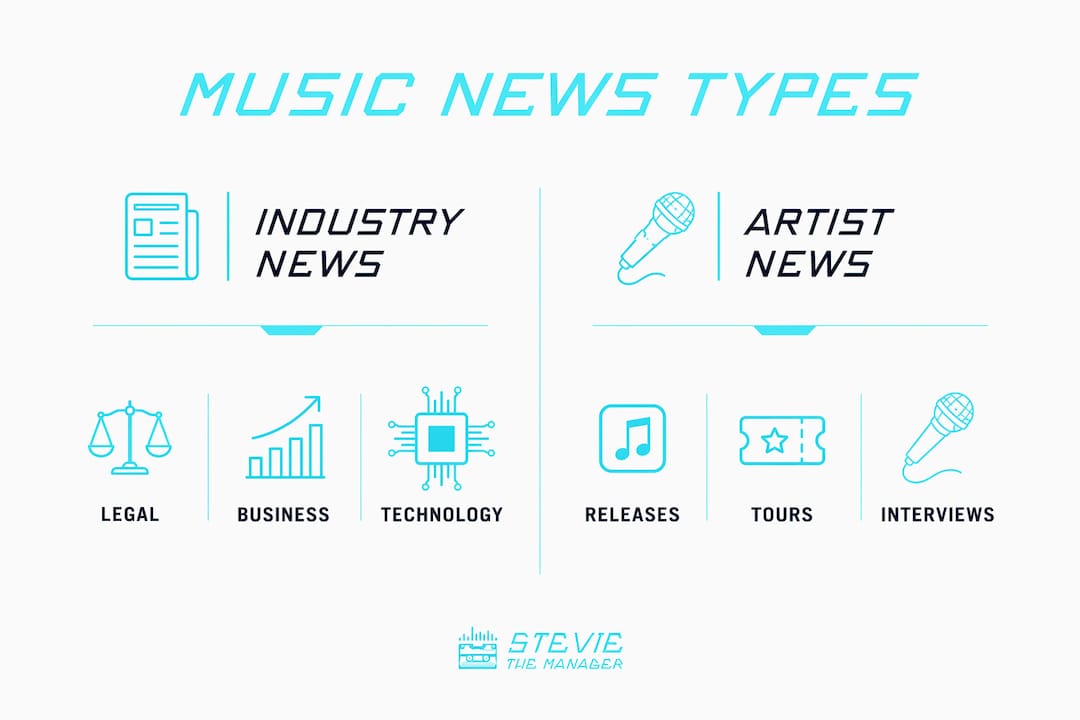
The topics inside music journalism fall into four broad categories, each serving a different audience need.
-
Legal and regulatory news covers legislation like the NO FAKES Act, which could impose fines up to $750,000 per unauthorized AI voice replica track. That figure matters because it signals how seriously lawmakers are treating AI-generated music. Legal coverage also tracks Supreme Court copyright cases and major lawsuits, such as the $109 million suit against Meta, that reshape how artists protect their work.
-
Business and industry deals include mergers, acquisitions, and label restructuring. The BMG and Concord merger, valued at $15 billion and approved in 2026, is a defining example. It is expected to generate $1.2 billion EBITDA post-transaction and directly affects rights ownership and licensing terms for thousands of artists.
-
Streaming economics tracks how money flows from platforms to artists. Stories about streaming revenue per play and platform algorithm changes affect every artist with music on Spotify, Apple Music, or Tidal. Fans care because it explains why their favorite independent artist keeps asking for direct support.
-
Artist and cultural news covers tour announcements, album drops, mental health disclosures, and social media moments. This category drives the most traffic and the most emotional engagement. It also includes milestone stories, such as Drake’s Spotify streaming records, that illustrate how individual artists shape hip-hop trends in 2026.
Each category feeds a different reader. Legal news attracts industry professionals and rights holders. Business news draws investors and label executives. Streaming economics pulls in artists and managers. Cultural news brings in fans. Strong music journalism serves all four at once.

How do music journalists structure and deliver news coverage?
Professional music journalism operates as a tiered system. Breaking news comes first, followed by detailed explainers that simplify technical or legal details for a general audience. That structure is not accidental. It is a deliberate workflow designed to serve multiple reader types from a single story.
The explainer-led series format works in five stages:
- Breaking update — a short, factual post published within hours of the news event.
- Plain-English explainer — a follow-up piece that translates legal or financial language for fans and casual readers.
- Artist impact analysis — a deeper story examining how the development affects specific artists or genres.
- Licensing and rights breakdown — a technical piece for industry professionals covering contract and revenue implications.
- Roundtable or reaction — a discussion piece featuring multiple voices that extends the story’s life and builds community.
This approach turns one news item into multiple content pieces that build trust and repeat visits. A single story about the BMG-Concord merger, for example, can generate five separate articles, each targeting a different reader segment.
The “why now” hook is the most underrated element of any pitch or story. Veteran publicist Eric Alper states that journalists seek pitches with a specific, compelling story angle and a clear reason for timeliness. Generic news items get ignored. Stories tied to a current cultural moment get picked up.
Pro Tip: Before pitching a story or press release, write one sentence that answers “why does this matter right now?” If you cannot answer that in under 20 words, the pitch is not ready.
How can artists secure music news coverage?
Artists secure music news coverage by treating media outreach as a professional discipline, not an afterthought. The foundation is a press kit that meets industry standards.
- Bio: 100–150 words, written in third person, focused on what makes the artist’s story specific and current.
- Photos: 300+ DPI resolution, professionally shot, cleared for editorial use.
- Streaming links: Private or public links to the music being pitched, not a generic artist page.
- Press clippings: Any prior coverage, even from small blogs, that establishes credibility.
Targeting matters as much as the kit itself. Effective outreach targets 20–30 genre-matched outlets with personalized pitch emails that reference specific articles the journalist has previously written. A pitch to a hip-hop blog that mentions a recent piece they published on Vancouver rap scenes lands differently than a mass email blast.
Specificity is the difference between a response and a delete. Journalists at Music Business Worldwide, Pitchfork, and independent blogs all report the same problem: pitches that describe an artist as “unique” or “genre-defying” without a concrete story angle. The pitch that works names a specific hook, a specific cultural moment, and a specific reason the journalist’s audience will care.

Pro Tip: Avoid sending heavy PDF press kits as email attachments. Paste the key bio details directly into the email body and link to a clean online press page. Journalists open emails on phones. Large attachments get skipped.
Building ongoing media relationships extends coverage beyond a single release. Artists who comment on industry news, share journalist work, and engage with music media as a community member get remembered when they pitch. Press coverage also functions as social proof. One feature on a respected blog makes the next pitch easier. For a guide on getting featured in hip-hop news, the process is repeatable once you understand the workflow.
How does technology shape global music news monitoring?
Modern music news coverage relies on monitoring infrastructure that most readers never see. Real-time systems track over 15,000 global sources across social media, blogs, news outlets, and academic databases, with automated translation covering more than 20 languages. That technology means a story about a licensing dispute in Germany or a streaming milestone in Brazil reaches English-language journalists in real time.
The practical breakdown of what these systems monitor looks like this:
| Source Type | Examples | Primary Use |
|---|---|---|
| Social media | X (Twitter), Instagram, TikTok | Breaking artist news, fan reactions |
| News outlets | Music Business Worldwide, Billboard | Industry deals, legal developments |
| Blogs and forums | Pitchfork, Reddit music communities | Cultural trends, emerging artists |
| Academic databases | The Music Index | Historical research, rights documentation |
| Public domain media | Government filings, court records | Legal and regulatory coverage |
Automated alerts let journalists and artists track mentions of their name, their label, or specific topics the moment they appear online. That speed matters for reputation management. An artist who knows about a negative story within an hour can respond before it spreads. An artist who finds out three days later is playing catch-up.
Data-driven insights also help artists and managers spot music industry trends before they peak. Monitoring tools flag rising search terms, emerging subgenres, and shifting audience demographics. That intelligence shapes release timing, pitch angles, and content strategy for artists building careers independently.
Key Takeaways
Music news coverage is a structured, multi-layered discipline that serves fans, artists, and industry professionals through real-time reporting, tiered storytelling, and global monitoring technology.
| Point | Details |
|---|---|
| Core definition | Music news coverage aggregates and reports real-time industry developments across legal, business, streaming, and cultural topics. |
| Tiered storytelling | Effective coverage uses a five-stage format: breaking news, explainer, artist impact, licensing breakdown, and roundtable. |
| Artist press kits | A strong kit includes a 100–150 word bio, 300+ DPI photos, and targeted pitches to 20–30 genre-matched outlets. |
| Global monitoring | Professional tools track 15,000+ sources across 20+ languages, enabling real-time trend spotting and reputation management. |
| Legal stakes | The NO FAKES Act and the $15 billion BMG-Concord merger show how legal and business news directly affects artist income and rights. |
Why music news coverage is more complex than it looks
I have spent years watching artists treat media coverage as a bonus rather than a core part of their career strategy. That is a mistake. Coverage is not just exposure. It is context. It tells the industry who you are before you walk into the room.

What surprises most people is how much of music journalism is actually business reporting. The BMG-Concord merger, the NO FAKES Act, streaming royalty structures — these are not background noise. They are the conditions every artist operates inside. An independent rapper from Vancouver releasing music in 2026 is directly affected by how AI legislation passes, how merger-driven label consolidation shifts licensing terms, and how streaming platforms adjust their payout models. Understanding that connection is what separates artists who build sustainable careers from those who release music into a void.
The other thing I have noticed is that the best coverage comes from artists who make journalists’ jobs easier. A clear story angle, a timely hook, a professional press kit, and a genuine connection to something culturally relevant right now. That is not luck. That is preparation. The artists who consistently get covered are the ones who treat every pitch like a published piece of writing. They know their audience, they know the outlet, and they know exactly why their story matters today.
Music journalism is also globalizing faster than most artists realize. Monitoring tools now track stories across 20+ languages in real time. That means your story can travel further than ever, but it also means the competition for attention is global. The artists who win coverage are the ones who understand the system and work it deliberately.
— Stephanos G
Build your media presence with Lit Nightz News
Lit Nightz News covers hip-hop culture, artist stories, and music industry developments for fans and independent artists building their careers. If you are an emerging artist looking to grow your media presence, the path starts with understanding how coverage works and then putting yourself in position to receive it.

The digital music promotion guide on Stangr The Man’s platform breaks down the exact steps independent artists use to grow their reach and fanbase without a major label budget. For artists ready to take the next step, the Get Featured on Lit Nightz News page connects you directly with placement opportunities on a platform built for hip-hop culture and independent artist growth.
FAQ
What is music news coverage in simple terms?
Music news coverage is the reporting and analysis of developments in the music industry, including artist news, legal changes, business deals, and cultural trends, delivered to fans, professionals, and artists.
What sources do music journalists use?
Music journalists draw from news outlets like Music Business Worldwide, social media platforms, court filings, academic databases like The Music Index, and monitoring tools that track over 15,000 global sources.
How do artists get covered in music news?
Artists secure coverage by submitting professional press kits with a 100–150 word bio, high-resolution photos, and personalized pitches to 20–30 genre-matched outlets with a clear “why now” story angle.

Why does music industry news matter to fans?
Music industry news explains the business and legal forces shaping the music fans hear, from streaming payout changes to AI legislation like the NO FAKES Act that affects which artists can sustain their careers.
What is the difference between music news and music journalism?
Music news refers to individual stories and updates, while music journalism is the broader practice of reporting, analyzing, and contextualizing those stories for specific audiences over time.
Recommended
- Music marketing workflow for hip-hop artists in 2026
- How to get featured in hip-hop news: proven steps
- Top 6 Music Industry Trends Shaping Rap and Hip-Hop
- The music manager’s role: essential guide for hip-hop artists

No Comments