

What is hip-hop community building: guide for enthusiasts
Most people think hip-hop is all about solo artists chasing fame and building personal brands. That’s a myth. Real hip-hop thrives on community, collaboration, and collective growth. This guide reveals how hip-hop communities form, why they matter beyond music, and how you can participate in building authentic connections. You’ll discover the cultural roots, practical methods, and personal stories that show hip-hop community building as a lifestyle, not just a career strategy. Whether you’re an artist, fan, or cultural enthusiast, understanding these collaborative foundations will deepen your connection to hip-hop’s true spirit.
Table of Contents
- Key takeaways
- Understanding hip-hop community building: definitions and examples
- Core methodologies for building hip-hop communities
- Challenges and social context influencing hip-hop communities
- Personal stories and the cultural impact of hip-hop community building
- Explore more with Stevie The Manager
- Frequently asked questions
Key Takeaways
| Point | Details |
|---|---|
| Collective over solo | Hip hop thrives when artists form collectives and share resources instead of chasing individual fame. |
| Networking drives careers | Building relationships with producers, rappers, and industry professionals creates sustainable opportunities and collaborations. |
| Events and mentorship | Local shows, cyphers, and mentor networks foster authentic growth and skill sharing. |
| Cultural authenticity matters | Preserving shared values keeps hip hop communities grounded and resilient across industry shifts. |
Understanding hip-hop community building: definitions and examples
Hip-hop community building goes far beyond individual artists seeking spotlight moments. It’s the deliberate creation of collectives, crews, and online platforms where artists collaborate, share resources, and preserve cultural authenticity together. This approach prioritizes collective success and cultural preservation over solo stardom.

Historical examples show how powerful these communities become. Wu-Tang Clan revolutionized hip-hop by operating as a collective where each member maintained individual identity while contributing to group success. Dungeon Family in Atlanta created a creative ecosystem that launched OutKast, Goodie Mob, and countless other artists. These weren’t just record label rosters but genuine cultural movements built on mutual support and shared vision.
Modern platforms have evolved these concepts for digital spaces. Certain.Ones connects underground artists globally, while Soulslicers provides collaborative tools for producers and rappers. Rap Fame democratizes music creation, letting aspiring artists build skills and networks simultaneously. These platforms prove community building adapts to technology while maintaining core values.
The key forms of hip-hop community building include:
- Artist collectives that pool creative resources and cross-promote members
- Production crews sharing beats, studio time, and technical knowledge
- Online communities connecting geographically dispersed artists and fans
- Cultural hubs like community centers hosting workshops and performances
- Mentorship networks pairing established artists with emerging talent
Authentic hip hop culture and identity emerges from these collaborative spaces. Artists develop distinct voices while remaining rooted in shared cultural values. The collective approach extends career longevity because artists support each other through industry changes and personal challenges.
As one community organizer explains:
“The power of hip-hop collectives lies not in viral moments but in sustained cultural impact. When artists build together, they create movements that outlast trends and reshape entire communities.”
This philosophy challenges the individualistic narrative often promoted in mainstream media. Real hip-hop communities recognize that collective elevation creates more opportunities than solo competition ever could.
Core methodologies for building hip-hop communities
Building authentic hip-hop communities requires intentional strategies that prioritize genuine connections over vanity metrics. These methodologies work for both emerging artists and dedicated fans looking to deepen their cultural engagement.
Networking forms the foundation of community building. Research shows 85% of jobs come through personal connections, and hip-hop careers follow similar patterns. Artists who invest time building relationships with producers, other rappers, and industry professionals create sustainable pathways for collaboration and growth. These connections often matter more than raw talent alone.
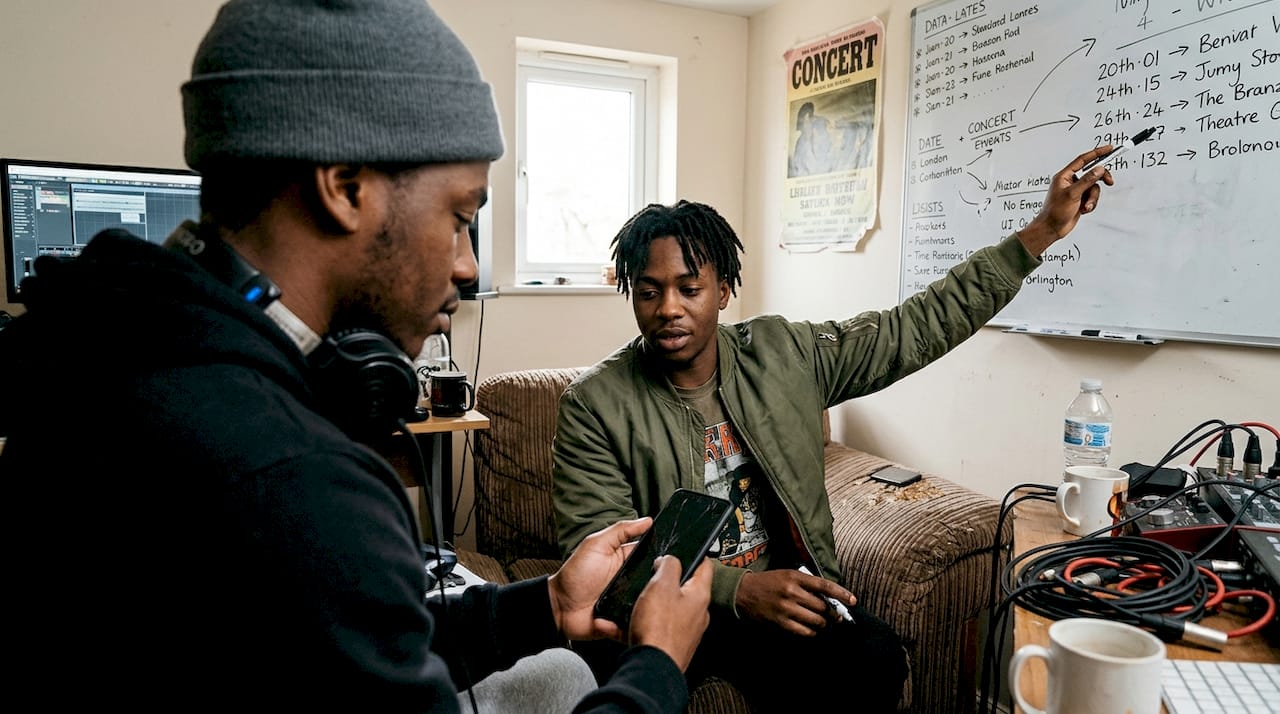
Local events and open mics provide crucial in-person touchpoints. Attending shows, cyphers, and community gatherings lets artists showcase skills while learning from peers. These spaces foster organic relationship building that social media can’t replicate. Regular participation demonstrates commitment to the culture beyond online presence.
Strategic social media engagement amplifies community reach when done authentically. The most effective approaches include:
- Consistent content sharing that showcases both finished work and creative process
- Active engagement with other artists’ posts through meaningful comments and shares
- Behind-the-scenes storytelling that humanizes the artistic journey
- Live streaming sessions for real-time interaction with fans and collaborators
- Community challenges that encourage participation and user-generated content
- Resource sharing like beat packs, mixing tips, or industry insights
Collaboration and mentorship create reciprocal value within communities. Experienced artists sharing knowledge with newcomers strengthens the entire ecosystem. These relationships often evolve into creative partnerships that push artistic boundaries. Check out hip hop collaboration benefits for deeper insights on partnership advantages.

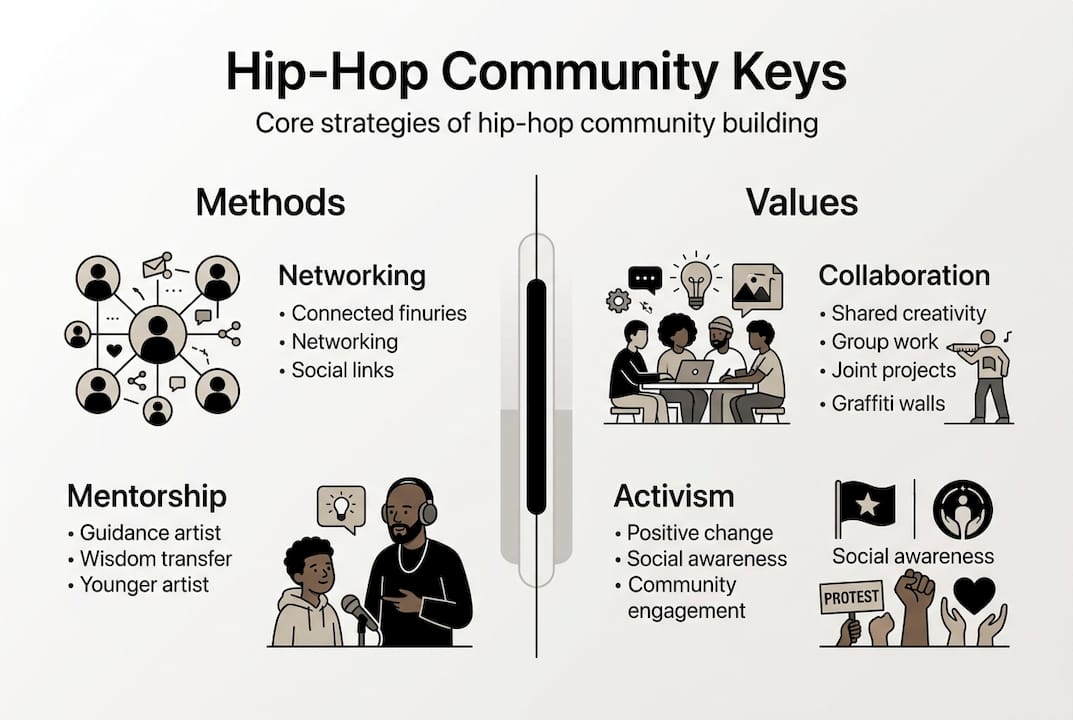
Hosting content like podcasts, YouTube series, or blog posts positions artists as cultural contributors rather than just consumers. This approach builds authority while providing value to the community. Artists who teach, analyze, or document hip-hop culture often develop stronger fan connections than those focused solely on self-promotion.
Community activism ties hip-hop to broader social movements. Participating in local initiatives, fundraisers, or educational programs demonstrates cultural commitment beyond entertainment. These activities often create the most meaningful connections because they align artistic expression with tangible community impact.
Pro Tip: Focus on building 10 genuine relationships with artists and fans rather than chasing 10,000 followers. Quality connections create collaboration opportunities, while follower counts often represent passive audiences. Engage authentically by supporting others’ work, attending their events, and offering help before asking for favors. Real community building happens through consistent, reciprocal interactions.
The hip hop networking checklist offers specific action steps for Canadian artists, but the principles apply universally. Successful community builders combine online and offline strategies, maintaining presence across multiple touchpoints while staying true to their authentic voice.
Challenges and social context influencing hip-hop communities
Hip-hop communities don’t exist in a vacuum. They navigate complex social realities that shape how artists connect, perform, and sustain their cultural work. Understanding these challenges adds crucial context to community building efforts.
Systemic marginalization affects many hip-hop artists despite the genre’s commercial dominance. Black rap musicians face exclusion from live music venues due to policing practices, racial bias, and gentrification pressures. Venue owners often cite concerns about crowd behavior or insurance costs, but these justifications frequently mask discriminatory assumptions about hip-hop audiences.
The Manchester rap scene illustrates this disparity clearly. Researchers documented how Black rap artists struggle to secure performance opportunities in venues that readily book other genres. This exclusion happens even as rap dominates streaming platforms and cultural conversations. The disconnect between digital popularity and physical space access creates significant barriers for community building.
Consider this comparison of rap’s market position versus performance access:
| Metric | Rap/Hip-Hop Performance | Context |
|---|---|---|
| Streaming share | 28% of all music streams | Largest genre by consumption |
| Live venue bookings | 12% of available slots | Significantly underrepresented |
| Festival headliners | 18% of major slots | Below proportional representation |
| Grassroots venue access | Heavily restricted | Cited safety/insurance concerns |
| Corporate event bookings | 35% of requests | High demand in private sector |
This data reveals a troubling pattern. Hip-hop thrives in digital spaces and private events but faces systematic exclusion from public cultural infrastructure. The gap forces artists to build alternative community spaces, from DIY shows to online platforms, just to maintain cultural presence.
Gentrification compounds these challenges by displacing the communities that birth hip-hop culture. As neighborhoods change economically, the venues, studios, and gathering spaces that supported local scenes often disappear. Rising rents push artists and fans to different areas, fragmenting established networks and making in-person community building harder.

Policing practices create additional barriers. Increased security requirements, aggressive crowd monitoring, and venue shutdowns after incidents disproportionately target hip-hop events. These measures treat hip-hop communities as threats rather than cultural contributors, forcing artists to navigate hostile environments just to perform.
As one venue study concluded:
“Despite rap’s position as the most-streamed genre globally, Black rap artists experience systematic exclusion from live performance opportunities due to racialized assumptions about audiences and culture. This disparity undermines community cohesion and limits career sustainability.”
These challenges don’t stop hip-hop communities from forming, but they shape how and where those communities exist. Artists develop resilience through mutual support networks, creating informal systems that compensate for institutional barriers. The rise of female rappers demonstrates how marginalized groups within hip-hop build their own platforms when mainstream spaces exclude them.
Understanding these social realities helps community builders develop more effective strategies. Recognizing systemic obstacles allows artists to create intentional solutions, from cooperative venue ownership to digital community spaces that bypass traditional gatekeepers. The strongest hip-hop communities often emerge precisely because they must navigate these challenges together.
Personal stories and the cultural impact of hip-hop community building
Hip-hop community building transforms individual lives in ways that extend far beyond music production. Personal stories reveal how these communities shape identity, foster growth, and create holistic cultural experiences.
Stevie The Manager exemplifies this deeper cultural engagement. As a Canadian rapper and cultural commentator, Stevie explores hip-hop’s influence on self-improvement and lifestyle choices. His work demonstrates that hip-hop communities don’t just support musical careers but guide personal development and life philosophy.
His content covers themes that resonate across the hip-hop community:
- Self-improvement frameworks drawn from hip-hop values like persistence and authenticity
- Lifestyle guidance connecting cultural identity to daily choices and habits
- Artist journey documentation showing the real challenges and growth moments
- Mental health discussions addressing stress, pressure, and creative blocks
- Community building strategies for artists navigating industry changes
These topics reflect how hip-hop functions as a complete cultural system. Artists and fans don’t just consume music but adopt worldviews, communication styles, and value systems rooted in hip-hop tradition. Community building happens when people recognize these shared cultural foundations and support each other’s growth.
Artist rehabilitation stories particularly highlight community impact. Musicians who struggled with addiction, legal issues, or mental health challenges often credit hip-hop communities with providing support networks that enabled recovery. These communities offer accountability, purpose, and belonging that traditional systems sometimes fail to provide.
Music itself serves therapeutic functions within these communities. Studies consistently show hip-hop reduces stress, provides emotional outlets, and offers frameworks for processing difficult experiences. When artists share vulnerable stories through lyrics, they create permission for listeners to address their own challenges. This reciprocal vulnerability strengthens community bonds.
The cultural impact extends to practical life guidance. Hip-hop communities share knowledge about entrepreneurship, financial literacy, and career development. Veteran artists mentor newcomers not just on music production but on navigating contracts, managing money, and building sustainable creative careers. This holistic support system creates pathways for long-term success.

Stevie The Manager’s platform illustrates how individual voices contribute to broader cultural conversations. By sharing his Vancouver perspective and personal growth journey, he adds to the collective wisdom that defines hip hop culture impact globally. His work shows community building as both receiving and contributing cultural knowledge.
The evolution of hip-hop in digital spaces creates new opportunities for these personal connections. The future of rap social media depends on maintaining authentic community values while leveraging technology’s reach. Artists who share genuine stories rather than curated highlight reels build the strongest fan relationships.
Pro Tip: Embrace hip-hop as a complete cultural identity rather than just a music preference. Explore how hip-hop values like authenticity, resilience, and community support can guide decisions in all life areas. Join discussions about culture, attend educational events, and engage with hip-hop’s intellectual traditions. This holistic approach deepens your connection to the community and reveals opportunities for personal growth that extend far beyond entertainment.
These personal dimensions of hip-hop community building often get overlooked in mainstream coverage focused on commercial success. Yet they represent the culture’s most powerful and enduring impact. Communities that support whole people, not just artists, create the conditions for both cultural preservation and individual transformation.
Explore more with Stevie The Manager
Ready to deepen your understanding of hip-hop’s cultural foundations and community building strategies? Stevie The Manager offers expert insights that connect historical context with modern practice.
Discover how hip hop culture and impact shape identity and social movements globally. Explore the transformative era of 90s hip hop influence that established many community building practices still used today. Learn strategic approaches through the comprehensive hip hop album release guide that shows how to build your brand while maintaining cultural authenticity. These resources provide actionable frameworks for artists and enthusiasts committed to genuine community engagement rather than superficial networking.
Frequently asked questions
What is hip-hop community building?
Hip-hop community building creates collaborative networks where artists, fans, and cultural contributors support each other’s growth through shared resources, knowledge exchange, and collective action. It prioritizes cultural authenticity and mutual elevation over individual fame. These communities form through collectives, online platforms, local events, and mentorship relationships that sustain careers and preserve hip-hop traditions.
How do hip-hop collectives support artists?
Collectives provide shared studio access, production resources, and cross-promotional opportunities that individual artists couldn’t afford alone. They create accountability systems and feedback loops that improve artistic quality while building sustainable career pathways. Members benefit from collective reputation and network effects that open doors to collaborations, performances, and industry connections. This mutual support model extends career longevity beyond what solo artists typically achieve.
What challenges do hip-hop communities face today?
Systemic marginalization through venue exclusions, aggressive policing of events, and racialized assumptions about audiences limits performance opportunities despite rap’s streaming dominance. Gentrification displaces communities and closes cultural spaces that supported local scenes. These barriers force artists to build alternative platforms and DIY spaces to maintain community connections. Economic pressures and industry gatekeeping create additional obstacles that communities must navigate collectively.

How can fans get involved in hip-hop community building?
Attend local shows, open mics, and community events to support artists and connect with fellow enthusiasts in person. Engage authentically on social media by sharing artists’ work, participating in discussions, and contributing valuable content rather than just consuming. Support collaborative projects, purchase music directly from artists, and participate in community activism that aligns hip-hop with social causes. Building genuine relationships with 10 people creates more impact than passively following thousands.
Why does collaboration matter beyond music production?
Collaboration builds the trust networks and shared knowledge systems that sustain entire communities through industry changes and personal challenges. It creates cultural continuity by passing traditions and values between generations of artists. Collaborative relationships often provide mental health support, business mentorship, and life guidance that extend far beyond studio sessions. These connections transform hip-hop from entertainment into a complete cultural identity and support system.
How do online platforms enhance hip-hop community building?
Digital platforms connect geographically dispersed artists who share cultural values but lack local communities. They democratize access to production tools, distribution channels, and educational resources previously available only through industry gatekeepers. Online spaces allow for asynchronous collaboration across time zones and enable niche communities to form around specific subgenres or cultural interests. However, effective online community building still requires authentic engagement and reciprocal support rather than broadcast-style self-promotion.
Recommended
- Hip-hop networking checklist for Canadian artists in 2026
- What is hip-hop commentary? 2026 culture guide
- Why hip-hop is influential: culture, identity, impact
- Why collaborate in hip hop: Unlock creativity in 2026

No Comments