

What is contemporary rap: culture and evolution guide
Many dismiss contemporary rap as mumble rap, overlooking its complexity. Contemporary rap blends traditional hip-hop with new musical elements and storytelling. Canadian artists play a vital role in shaping this evolving genre. This guide explores how contemporary rap evolved, its defining characteristics, lyrical themes, and the Canadian scene’s contributions to global hip-hop culture.
Table of Contents
- Foundations And Evolution Of Rap
- Key Characteristics Of Contemporary Rap
- Lyrical Themes And Social Impact
- Common Misconceptions About Contemporary Rap
- Canadian Scene And Artist Impact
- Digital Influence And Artist Emergence
- Bridging Understanding To Appreciation
- Explore More Hip-Hop Insights And Canadian Rap Culture
Key takeaways
| Point | Details |
|---|---|
| Historical roots | Contemporary rap evolved from 1970s hip-hop culture in the Bronx, establishing foundational cultural elements. |
| Production innovation | It features fusion genres and advanced digital tools like FL Studio and Ableton Live. |
| Lyrical depth | Lyrics focus on personal resilience, mental health, and social justice beyond traditional street narratives. |
| Canadian influence | Canadian artists blend global styles with unique cultural stories, enriching the genre. |
| Digital democratization | Since 2015, platforms like SoundCloud drove a 200% increase in independent artist discovery. |
Foundations and evolution of rap
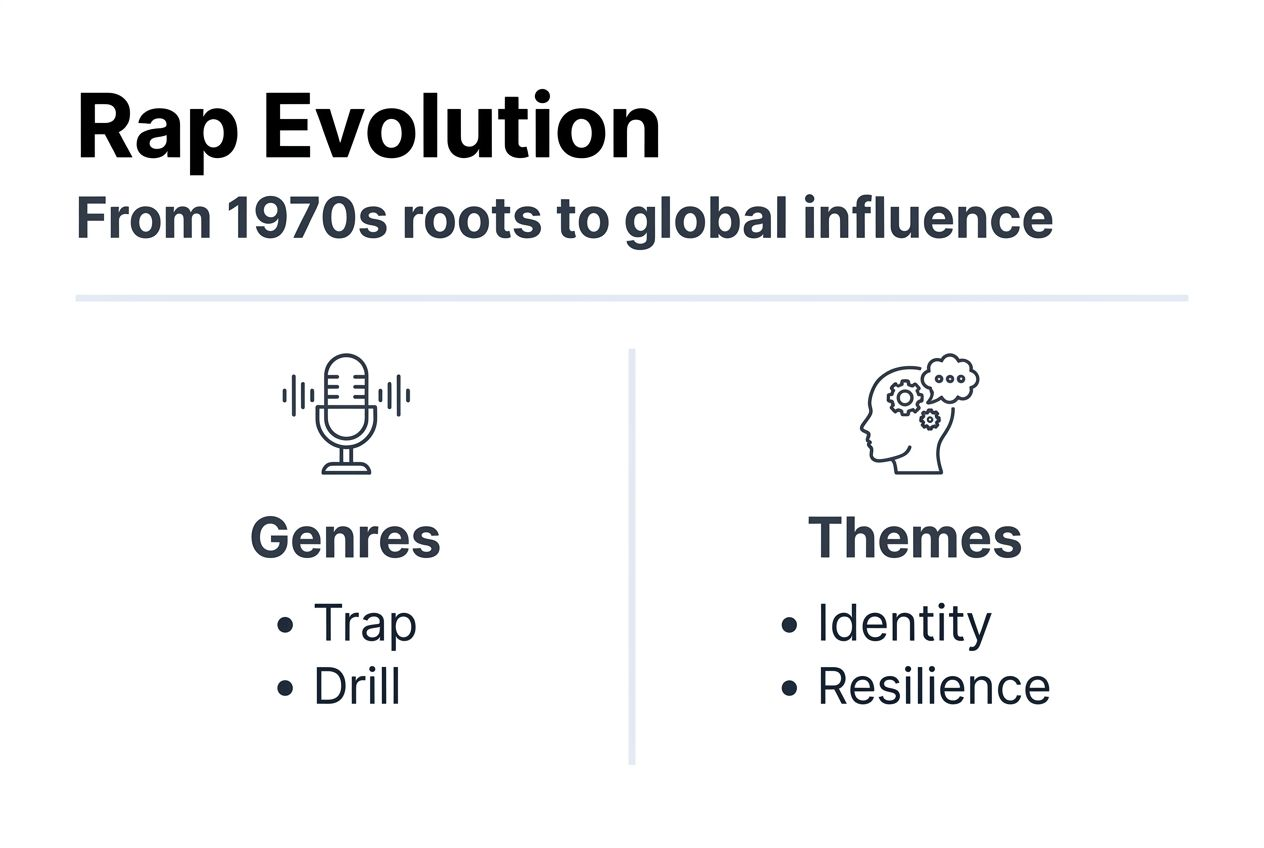
Hip-hop began in the Bronx in the early 1970s, establishing social and cultural foundations for contemporary rap. What started as block parties with DJs and MCs evolved into a global cultural movement. Core elements include rapping (MCing), DJing, graffiti art, breakdancing, and knowledge of self, continuing to influence contemporary rap identity.

Traditional rap in the 1980s and 1990s focused on party themes and street narratives. Producers used analog equipment like drum machines and turntables to create beats. Artists prioritized clear diction and straightforward storytelling that connected with urban communities.
The transition to contemporary rap involved several shifts:
- Digital production tools replaced analog equipment, enabling more complex soundscapes
- Thematic expansion moved beyond street life to include personal vulnerability and social commentary
- Genre fusion incorporated elements from pop, R&B, electronic, and rock music
- Global distribution through streaming platforms democratized access and discovery
Exploring regional rap styles reveals how geography shaped sound evolution. Producers influencing modern rap continue pushing boundaries with innovative techniques. Understanding this history of hip-hop provides essential context for appreciating contemporary innovations while respecting these core hip-hop elements.
Key characteristics of contemporary rap
Contemporary rap integrates diverse musical genres including pop, R&B, trap, electronic, and rock, reflecting its evolution since the late 2000s. This fusion creates unique sonic landscapes that distinguish it from traditional hip-hop. Artists sample everything from classical music to video game soundtracks, crafting unexpected combinations.
Advanced digital production tools like FL Studio and Ableton Live enable the complex layered beats typical of contemporary rap. Producers manipulate sounds with precision impossible in the analog era. These workstations allow real-time experimentation and instant revision.
| Feature | Traditional Rap | Contemporary Rap |
|---|---|---|
| Production | Analog drum machines, samplers | Digital audio workstations, plugins |
| Genre influence | Primarily funk, soul, jazz | Pop, trap, R&B, electronic, rock |
| Beat complexity | Straightforward loops | Layered, evolving arrangements |
| Vocal delivery | Clear diction emphasized | Varied, including melodic singing |
| Distribution | Physical albums, radio | Streaming, social media |
Musical characteristics defining contemporary rap include:
- Trap-influenced hi-hats and 808 bass patterns creating hypnotic rhythms
- Auto-tune and vocal effects used creatively rather than just for pitch correction
- Tempo variations within single tracks adding dynamic tension
- Atmospheric textures and ambient sounds expanding beyond traditional boom-bap
- Melodic rap blending singing and rapping seamlessly
Pro Tip: Listen to how Canadian trap and drill rise showcases regional adaptations of these production techniques. The rap technology evolution demonstrates how tools shape creative possibilities, enabling artists to experiment with sounds previous generations couldn’t access. These contemporary rap musical features continue evolving as new tools emerge.
Lyrical themes and social impact
Contemporary rap lyrics reflect a shift toward personal resilience, mental health awareness, and addressing racial inequality and social justice. Artists share vulnerable stories about anxiety, depression, and overcoming adversity. This openness creates deeper connections with listeners facing similar challenges.
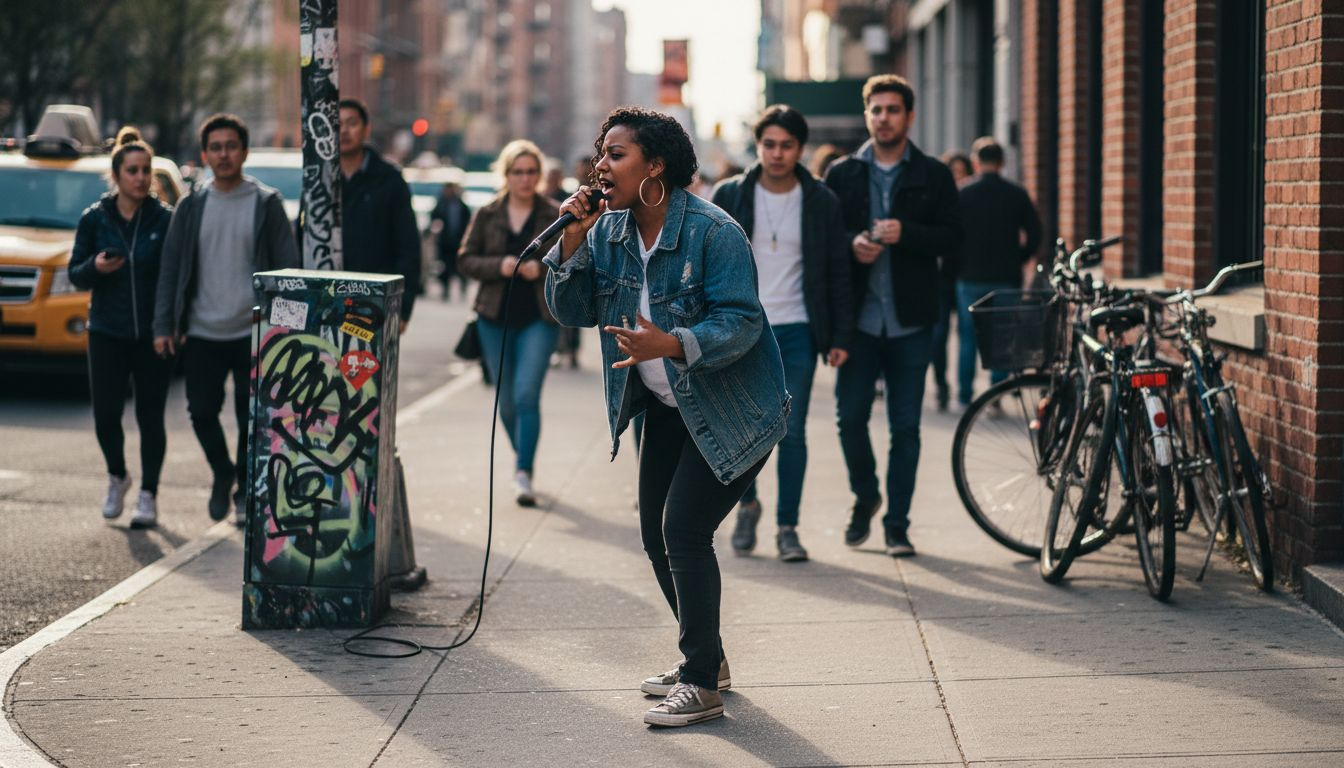
Social justice themes permeate contemporary rap more than ever. Rappers address systemic racism, police brutality, economic inequality, and political corruption. These topics move beyond traditional street narratives to examine broader societal structures.
Common lyrical themes include:
- Mental health struggles and therapy, destigmatizing psychological support
- Identity exploration including gender, sexuality, and cultural heritage
- Economic mobility and entrepreneurship beyond drug dealing stereotypes
- Family relationships and generational trauma healing
- Environmental concerns and climate justice
- Educational access and institutional barriers
Storytelling remains central for artist branding and audience connection. Contemporary rappers craft multi-album narratives tracking personal growth. They build worlds through interconnected songs and visual content. Authenticity matters more than ever, with fans demanding genuine experiences over manufactured personas.

Pro Tip: Explore rap’s captivating narratives to understand how storytelling techniques evolved. The best contemporary artists balance entertainment with substance, creating music that resonates emotionally while addressing important issues. This thematic depth explains why contemporary rap attracts diverse audiences beyond traditional hip-hop demographics.
Common misconceptions about contemporary rap
While some view contemporary rap as mostly mumble rap with unintelligible lyrics, studies show 70% feature complex internal rhymes and storytelling. This misconception ignores the sophisticated wordplay and narrative structures present in most contemporary work. Critics often cherry-pick examples without examining the genre’s full breadth.
The genre displays sophisticated rhyme schemes invisible to casual listeners. Multi-syllabic internal rhymes, double entendres, and layered references require active listening. Contemporary rappers often employ techniques like assonance and consonance that previous generations used less frequently.
Key misconceptions to address:
- Assuming all contemporary rap lacks lyrical substance ignores diverse artists prioritizing wordplay
- Believing melody equals simplicity misunderstands how melodic rap adds emotional depth
- Thinking contemporary rap abandoned hip-hop values overlooks continued emphasis on authenticity and community
- Dismissing trap production as simplistic ignores its rhythmic complexity and innovation
- Viewing streaming success as purely commercial dismisses genuine artistic connection with audiences
Contemporary rap addresses important social issues beyond stereotypes. Artists tackle climate change, mental health, LGBTQ+ rights, and economic justice. These topics expand hip-hop’s cultural relevance while maintaining its tradition of speaking truth to power.
“Contemporary rap innovates while respecting hip-hop traditions. The best artists honor foundational elements while pushing creative boundaries. Dismissing the entire genre based on a few viral tracks misses extraordinary artistry happening across the spectrum.”
Understanding rap complexity research reveals technical sophistication often overlooked. Approaching contemporary rap with open ears and context reveals depth that superficial listening misses. The genre rewards active engagement with repeated listens uncovering new layers.
Canadian scene and artist impact
Canadian artists blend personal storytelling with cultural identity uniquely within contemporary rap. They draw from multicultural influences reflecting Canada’s diversity. This perspective offers fresh narratives distinct from American rap’s dominant voices.
Emerging artists like Stevie The Manager exemplify the genre’s diversity and resilience. Based in Vancouver, BC, Stevie shares personal experiences through projects like Intensify Thought 1 & 2 and Vancouver Vibrationz. His work demonstrates how Canadian rappers contribute authentic voices to global conversations.
Canadian contributions enriching global hip-hop culture include:
- Blending indigenous influences with contemporary production techniques
- Addressing universal themes through specifically Canadian cultural lenses
- Creating regional sounds distinct from Toronto’s dominant OVO influence
- Building independent labels and collectives supporting local talent
- Connecting with international audiences while maintaining cultural authenticity
Local platforms amplify Canadian voices in a globally competitive genre. Canadian hip-hop insights reveal how artists navigate unique industry challenges. The Canadian trap and drill scene showcases regional innovation adapting global trends to local contexts.
Canadian artists benefit from government arts funding unavailable to American counterparts. Programs like FACTOR support recording, touring, and promotion. This infrastructure helps independent artists compete internationally without major label backing. The combination of cultural diversity, institutional support, and digital distribution creates ideal conditions for Canadian rap’s continued growth and global influence.

Digital influence and artist emergence
Since 2015, digital platforms like SoundCloud and YouTube drove a 200% increase in independent rap artist discovery. These platforms democratize music distribution and discovery, removing traditional gatekeepers. Artists upload directly to listeners without needing label approval or radio play.
Independent Canadian artists grow without traditional label support. They build fanbases through consistent releases and social media engagement. TikTok, Instagram, and Twitter enable direct communication between artists and fans. This intimacy creates loyal communities supporting artists through streams, merchandise, and concert tickets.
Digital tools transforming contemporary rap careers:
- Streaming services like Spotify and Apple Music provide global distribution instantly
- Social media platforms enable viral discovery and grassroots marketing campaigns
- Affordable recording software allows professional-quality production from home studios
- YouTube monetization creates revenue streams beyond traditional album sales
- Collaboration tools enable artists worldwide to work together without meeting
- Analytics dashboards reveal listener demographics guiding strategic decisions
- Direct-to-fan platforms like Patreon and Bandcamp build sustainable income
Streaming services expand rap’s reach worldwide, changing industry dynamics. Playlists curated by algorithms and editors expose artists to millions. Geographic barriers dissolve as Canadian artists find fans across continents. This global access creates opportunities previous generations never imagined.
Understanding the future of rap in social media reveals ongoing transformation. Learning how streaming has changed the rap game explains current industry economics. Examining the rise of female rappers demonstrates how digital platforms amplify previously marginalized voices. The digital transformation in rap continues accelerating, creating both challenges and opportunities for emerging artists building careers in this evolving landscape.
Bridging understanding to appreciation
Contemporary rap represents a vibrant fusion of tradition and innovation. It honors hip-hop’s foundational elements while embracing new production techniques and diverse influences. The genre’s evolution reflects broader cultural shifts toward vulnerability, social consciousness, and global connectivity.
Lyrical depth and social themes enrich the genre’s impact beyond entertainment. Contemporary rappers serve as cultural commentators, therapists, and activists. They create soundtracks for movements while providing personal solace to individual listeners. This dual function explains rap’s continued cultural relevance.
Canadian artists offer unique voices worth discovering. They contribute perspectives shaped by multicultural environments and distinct social contexts. Supporting these artists strengthens local scenes while enriching global hip-hop culture. Your engagement through streams, shares, and concert attendance directly impacts careers.
Engaging with this music enhances understanding of cultural resilience and creativity. Contemporary rap documents our era’s challenges and triumphs through authentic artistic expression. Approaching it with open minds reveals extraordinary artistry and meaningful messages that superficial listening misses.
Explore more hip-hop insights and Canadian rap culture
Ready to deepen your understanding? Discover how 90s hip hop influence shaped today’s sound and why that era remains culturally significant. Explore hip hop slang analysis to understand how language evolution reflects cultural shifts and community identity.
The Stevie The Manager official website offers exclusive content, music releases, and insights into the Canadian rap scene. Connect with an artist’s journey from Vancouver to the global stage. Access behind-the-scenes stories, industry commentary, and updates on projects like Intensify Thought and Vancouver Vibrationz that showcase contemporary rap’s diversity and authentic storytelling power.

Frequently asked questions
What is the difference between contemporary rap and old school rap?
Contemporary rap uses digital production, diverse genres, and socially conscious lyrics, while old school rap features simpler beats and party themes. Lyrical complexity and music technology have evolved significantly. Contemporary artists blend singing with rapping and address broader social issues beyond traditional street narratives.
How has digital media changed the careers of Canadian rap artists?
Platforms like SoundCloud and YouTube allow Canadian artists to distribute music, build fanbases, and gain recognition without record labels. This democratization boosts independent artist discovery. Social media enables direct fan engagement and viral growth impossible in previous eras. Learn more about the future of rap in social media for deeper insights.
What themes are most common in contemporary rap lyrics?
Themes include personal resilience, mental health, identity, social justice, and moving beyond street narratives. Storytelling and cultural reflection remain central. Artists address systemic issues like racial inequality while sharing vulnerable personal experiences that create authentic connections with diverse audiences.
Is mumble rap the same as contemporary rap?
Mumble rap is one style within contemporary rap, characterized by less emphasis on clear lyrics. Many contemporary rappers focus on complex lyricism and social themes. Dismissing the entire genre as mumble rap ignores the diversity of artistic approaches and sophisticated wordplay present throughout contemporary hip-hop.
How do Canadian artists like Stevie The Manager influence contemporary rap?
Stevie The Manager and peers blend personal resilience stories with cultural identity, enriching the diversity of contemporary rap. They expand Canadian influence on the global stage through unique perspectives shaped by multicultural environments. Discover more about Canadian rap artists’ impact on the genre’s evolution.
Recommended
- Tracing the Evolution of Rap: From Its Roots to Global Dominance – Stevie The Manager aka Stangr The Man
- Unveiling the Masterminds: Get to Know the Producers Influencing Modern Rap – Stevie The Manager aka Stangr The Man
- Regional Rap Styles: Unpacking the Distinctive Beats and Flows from City to City – Stevie The Manager aka Stangr The Man
- Unveiling the Evolution: The Future of Rap in the Social Media Era – Stevie The Manager aka Stangr The Man
- Music Trend Analysis Step by Step to Spot Breakout Artists – Blog – Music24.com

No Comments