

The Game’s Criticism Ignites Debate on State of Modern Rap: “Hip-Hop Trash”
Is modern hip-hop trash? In a recent interview on Big Boy’s Neighborhood, The Game, the renowned Compton rapper, made headlines with his unfiltered critique of contemporary hip-hop, labeling it as “trash.” This statement has sparked widespread discussion among fans and critics alike, prompting a deeper exploration of the current state of rap music. The Game’s comments not only reflect his personal views but also resonate with a broader sentiment regarding the evolution of hip-hop in 2025.
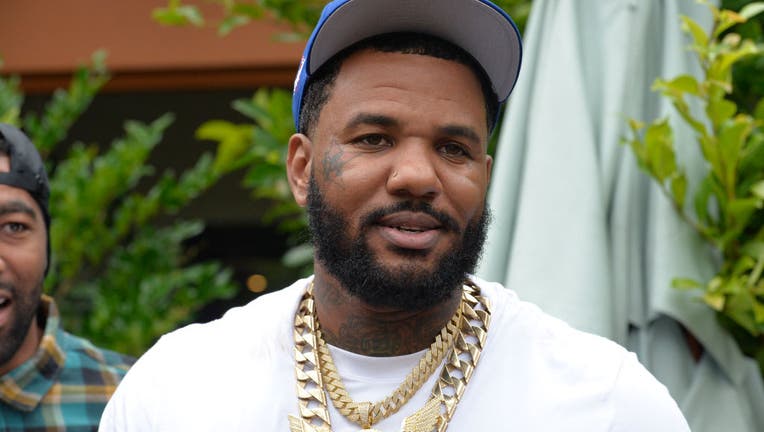
Image Source: FOX 11

The Game’s Perspective on Today’s Hip-Hop
The Game‘s assertion that modern rap is lacking quality is not merely a casual remark; it is a reflection of his long-standing commitment to the genre. During the interview, he confidently proclaimed himself as “one of the best rappers on Earth,” a statement that he believes is supported by his extensive discography and contributions to hip-hop culture. This self-assuredness is characteristic of The Game, who has always positioned himself as a key player in the rap scene.
The Decline of Quality in Modern Rap
The Game’s criticism of current rap music highlights a perceived decline in quality and authenticity. He argues that many contemporary artists prioritize commercial success over artistic integrity, leading to a homogenization of sound and a lack of innovation. This sentiment echoes a growing concern among hip-hop enthusiasts who feel that the genre has strayed from its roots.
- Commercialization vs. Authenticity: The Game emphasizes that the focus on commercial viability has overshadowed the essence of storytelling and lyrical depth that once defined hip-hop.
- Lack of Innovation: He points out that many new artists are not pushing boundaries or experimenting with their sound, resulting in a stagnant musical landscape.
The Game’s Legacy and Influence
As a veteran in the industry, The Game’s perspective carries weight. He has been a significant figure in West Coast rap, contributing to its resurgence in the early 2000s. His discography includes critically acclaimed albums that have shaped the genre, and he often references his impact when discussing the current state of hip-hop.
- A Torchbearer for West Coast Rap: The Game sees himself as a custodian of West Coast hip-hop, having carried the torch for the region during challenging times.
- Influence on New Artists: His legacy is not just about his music; it’s also about the artists he has influenced and the standards he believes they should uphold.
The Interview: Key Highlights
During the Big Boy interview, The Game’s candid remarks about the state of hip-hop were met with mixed reactions. While some fans appreciated his honesty, others questioned his motives and the validity of his claims.
Confidence or Arrogance?
One of the most striking aspects of The Game’s interview was his unwavering confidence. When asked if it was egotistical to claim he is among the best, he responded emphatically, asserting that anyone who disagrees is “lying to themselves.” This boldness has led to debates about whether his confidence is justified or if it borders on arrogance.
- Self-Assessment: The Game’s self-assessment is rooted in his belief that his contributions to hip-hop are unparalleled.
- Public Perception: The public’s perception of his confidence varies, with some viewing it as a necessary trait for success in the competitive rap industry, while others see it as a sign of delusion.
The Game’s Critique of Kendrick Lamar’s Early Days
In the same interview, The Game reminisced about his desire to sign Kendrick Lamar during the latter’s early career. He claimed to have recognized Lamar’s potential before he became a household name. However, this assertion has been met with skepticism from some of Lamar’s associates, who have publicly disputed The Game’s narrative.

- A Missed Opportunity?: The Game’s comments raise questions about the dynamics within the industry and the opportunities that slip through the cracks.
- Disputed Claims: The backlash from TDE affiliates suggests that The Game’s recollection may not align with the reality of the situation.
The Broader Implications of The Game’s Comments
The Game’s remarks about hip-hop being “trash” resonate with a larger discourse surrounding the genre’s evolution. Many fans and critics have expressed concerns about the direction hip-hop is taking, particularly in terms of lyrical content and musical diversity.
The State of Hip-Hop in 2025
As we look at the current landscape of hip-hop in 2025, several trends emerge that support The Game’s critique. The genre has seen a rise in artists who prioritize catchy hooks and viral moments over substantive lyrics.
- Monoculture in Music: The prevalence of similar sounds and themes across various artists has led to a sense of monotony in the genre.
- Emergence of Subgenres: While mainstream hip-hop may seem stagnant, there is a flourishing underground scene that continues to innovate and challenge the status quo.
The Role of Social Media and Streaming
The rise of social media and streaming platforms has transformed how music is consumed and promoted. While these changes have democratized access to music, they have also contributed to the dilution of quality.
- Viral Fame vs. Artistic Merit: Many artists gain popularity through viral moments rather than through the quality of their music, leading to a focus on trends rather than substance.
- Impact on New Artists: This environment can be challenging for emerging artists who prioritize artistry over commercial appeal.
The Game’s Call for Authenticity
In light of his criticisms, The Game advocates for a return to authenticity in hip-hop. He believes that artists should focus on their craft and the stories they want to tell, rather than chasing trends or commercial success.
Emphasizing Storytelling
One of the hallmarks of hip-hop has always been its ability to tell compelling stories. The Game argues that many contemporary artists have lost sight of this essential element.
- The Power of Narrative: Storytelling allows artists to connect with their audience on a deeper level, fostering a sense of community and shared experience.
- Reviving Lyrical Depth: By prioritizing storytelling, artists can elevate the genre and restore its credibility.
Encouraging Innovation
The Game’s call for authenticity also extends to innovation within the genre. He believes that artists should experiment with their sound and push boundaries to keep hip-hop vibrant and relevant.
- Breaking the Mold: Artists who take risks and explore new sounds can help revitalize the genre and attract a diverse audience.
- Collaboration and Cross-Genre Influence: Collaborations with artists from different genres can lead to fresh perspectives and innovative music.
Conclusion: Is Modern Hip-Hop Trash
The Game’s critique of modern hip-hop serves as a wake-up call for artists and fans alike. His comments highlight the need for a renewed focus on authenticity, storytelling, and innovation within the genre. As hip-hop continues to evolve, it is essential for artists to remain true to their roots while also embracing change.

The Future of Hip-Hop
As we move forward, the future of hip-hop will depend on the willingness of artists to challenge the status quo and prioritize quality over quantity. The Game’s insights remind us that while the genre may face challenges, there is still immense potential for growth and creativity.
- Embracing Diversity: By celebrating diverse voices and sounds, hip-hop can continue to thrive and resonate with audiences around the world.
- Upholding Standards: Artists must hold themselves accountable to the standards that have defined hip-hop for decades, ensuring that the genre remains a powerful force for expression and change.
In conclusion, The Game‘s bold statements about the state of hip-hop are not just criticisms; they are a call to action for artists to reflect on their craft and the impact they have on the genre. As fans, we can support this movement by seeking out and uplifting artists who prioritize authenticity and creativity in their music.

No Comments