
NFT & Web3 in Hip-Hop The Future of Music Business
The music industry is currently undergoing a massive transformation driven by digital innovation. As artists seek more control over their creative output, the rise of nft & web3 in hip-hop is changing how music is produced, shared, and sold.
This technological shift represents the next major evolution for creators. By leveraging blockchain, performers can now bypass traditional gatekeepers to connect directly with their audience. This direct relationship fosters a new era of ownership and financial independence.
Modern platforms allow fans to become active participants in an artist’s journey. This change is not just a trend; it is a fundamental restructuring of the global music business landscape. Digital assets are empowering musicians to monetize their work in ways that were previously impossible.

Key Takeaways
- Blockchain technology is decentralizing the music industry.
- Artists are gaining greater control over their creative rights.
- Direct fan engagement is replacing traditional distribution models.
- Digital innovation creates new revenue streams for performers.
- The industry is shifting toward a more transparent and equitable ecosystem.
The Evolution of Hip-Hop and Digital Ownership
From the streets to the cloud, the way we own and listen to hip-hop has undergone a massive transformation. This journey reflects a broader struggle for artist autonomy and fair compensation within the music industry. As technology advances, the relationship between the creator and the listener continues to shift in unexpected ways.
From Physical Records to Streaming Dominance
In the early days of hip-hop, fans connected with music through physical formats like vinyl records, cassette tapes, and eventually CDs. These tangible items provided a sense of true ownership, as listeners could hold the art in their hands. However, the rise of digital streaming platforms fundamentally changed this dynamic.
While streaming services offered unprecedented access to vast libraries of music, they often obscured the financial realities of the industry. Artists frequently faced a lack of revenue transparency, making it difficult to track how their work performed. The convenience of instant access came at the cost of the direct connection that once defined the fan-artist relationship.
The Shift Toward Decentralized Music Distribution
Today, a new wave of innovation is challenging the centralized model that has dominated the industry for years. Decentralized distribution aims to return control directly to the creators by removing unnecessary intermediaries. This shift is powered by blockchain technology, which offers a more transparent way to manage rights and royalties.
By leveraging these new tools, artists can now build direct-to-fan ecosystems that prioritize equity and ownership. This movement represents a significant departure from traditional gatekeepers who historically controlled the flow of music. As the industry evolves, the focus is moving toward a future where artists retain more value from their creative output.
Understanding NFT & Web3 in Hip-Hop
Hip-hop has always been a culture of innovation, and today that innovation is found in the digital realm. The rise of nft & web3 in hip-hop represents a fundamental shift in how creators interact with their audience. By moving away from traditional models, artists are reclaiming their creative sovereignty.
Defining Non-Fungible Tokens in a Musical Context
At their core, non-fungible tokens are unique digital assets verified on a distributed ledger. Unlike a standard digital file that can be copied infinitely, these tokens provide provable scarcity and ownership. In the music industry, this means a song, an album, or even a piece of digital art can be authenticated as an original item.
Fans who purchase these non-fungible tokens gain more than just a track; they often receive exclusive access or collectible value. This creates a new economy where the relationship between the artist and the listener is based on tangible digital ownership. It transforms passive consumption into an active, participatory experience.

How Blockchain Technology Empowering Independent Artists
The underlying infrastructure driving this change is blockchain technology. This decentralized system acts as a public record that no single entity can control or manipulate. By utilizing this framework, independent musicians can bypass traditional gatekeepers like major labels and centralized streaming platforms.
When artists leverage blockchain technology, they gain the ability to manage their intellectual property with greater precision. They can set their own terms for royalties and distribution, ensuring they receive fair compensation for their work. This shift empowers creators to build sustainable careers while maintaining a direct, transparent connection with their most dedicated fans.
The Role of Cryptocurrency in Modern Music Transactions
The financial landscape of hip-hop is undergoing a radical transformation driven by digital assets. As artists seek more control over their creative output, cryptocurrency has emerged as a primary medium for modern music transactions. This shift allows for faster, more transparent payments that bypass the slow processing times of traditional banking systems.
Direct-to-Fan Payments and Smart Contracts
At the heart of this change is blockchain technology, which enables the use of smart contracts. These self-executing agreements automatically distribute royalties to artists the moment a sale occurs. By removing the need for manual accounting, creators ensure they receive their fair share of earnings without waiting months for clearance.
“The future of music is not just about the sound, but about the ownership and the immediate value exchange between the artist and the listener.” — Anonymous Industry Analyst
Reducing Intermediaries in the Hip-Hop Value Chain
Traditional music distribution often involves a long chain of labels, distributors, and agents who take significant cuts of an artist’s revenue. By utilizing cryptocurrency, hip-hop artists can now interact directly with their audience. This decentralization empowers independent creators to retain a larger portion of their profits while maintaining full creative control.
The following table highlights the key differences between legacy systems and modern decentralized models:
| Feature | Traditional Model | Blockchain Model |
|---|---|---|
| Royalty Payouts | Delayed (Quarterly) | Instant (Automated) |
| Intermediaries | Multiple Layers | Peer-to-Peer |
| Transparency | Opaque Reporting | Public Ledger |
| Control | Label-Owned | Artist-Owned |
Ultimately, the adoption of blockchain technology is not merely a trend but a fundamental shift in the hip-hop economy. As more artists adopt these tools, the industry will likely see a permanent reduction in the influence of traditional gatekeepers. This evolution fosters a more sustainable and equitable environment for the next generation of talent.
Pioneering Artists Leading the Web3 Movement
The integration of Web3 into hip-hop culture is being spearheaded by some of the most influential names in the industry. These artists are proving that blockchain technology is more than just a trend; it is a powerful tool for creative independence. By moving away from traditional gatekeepers, they are establishing new standards for how music is owned and shared.
Case Study: Nas and the Royal Platform
Nas has become a prominent figure in the shift toward decentralized music distribution. Through his partnership with the Royal platform, he allowed fans to purchase fractional ownership of his music royalties. This innovative approach turns listeners into stakeholders, creating a direct financial link between the artist and the audience.

“The future of music is about giving fans a seat at the table. When they own a piece of the art, they become part of the journey in a way that streaming never allowed.”
This model effectively removes the need for traditional record labels to act as the sole financial beneficiaries. By offering royalty-sharing, Nas empowers his supporters to benefit from the long-term success of his catalog. It represents a significant departure from the standard industry practice of keeping all rights within a corporate structure.
Snoop Dogg and the Metaverse Expansion
Snoop Dogg has taken a different, yet equally impactful, approach by diving deep into the metaverse. He has transformed his brand into a virtual experience, allowing fans to interact with him in digital spaces like The Sandbox. This strategy goes beyond music, encompassing virtual land, digital collectibles, and immersive concerts.
His presence in these virtual environments creates a unique sense of community that physical venues cannot replicate. Fans can attend exclusive events, purchase digital merchandise, and engage with the artist’s brand in real-time. This expansion demonstrates how hip-hop icons can leverage virtual worlds to maintain relevance in a digital-first economy.
| Artist | Primary Web3 Focus | Key Benefit to Fans |
|---|---|---|
| Nas | Royalty-Sharing | Financial participation in music success |
| Snoop Dogg | Metaverse Integration | Immersive virtual experiences and community |
| Independent Artists | Direct Distribution | Higher profit margins and creative control |
Digital Art and Collectibles as Cultural Expression
Modern creators are redefining how we perceive value by blending street culture with innovative digital art. This evolution marks a significant shift in how artists connect with their audience, moving beyond traditional physical merchandise. By embracing virtual assets, the hip-hop community is establishing a new standard for creative ownership.
The Intersection of Street Culture and Virtual Assets
Street culture has long been defined by exclusivity, limited-edition drops, and bold visual aesthetics. Today, these same principles are being applied to the world of non-fungible tokens. Artists are translating the grit and authenticity of the streets into high-quality digital formats that resonate with modern fans.
This transition allows creators to maintain their unique style while reaching a global audience. Virtual assets serve as a bridge between traditional street art and the future of the internet. By digitizing these expressions, artists ensure their work remains permanent and verifiable in a decentralized ecosystem.
Creating Scarcity for Exclusive Fan Experiences
The power of online collectibles lies in their ability to foster deep connections between artists and their most dedicated supporters. By leveraging the concept of digital scarcity, creators can offer unique items that hold real-world value. This approach transforms passive listeners into active participants in the artist’s journey.
These non-fungible tokens often grant holders special access to private events, unreleased tracks, or behind-the-scenes content. As online collectibles continue to gain traction, they provide a sustainable way for fans to support their favorite musicians directly. This model strengthens the bond within the community, ensuring that both the artist and the fan benefit from the digital experience.

Decentralized Platforms Reshaping the Industry
The landscape of the music industry is shifting as decentralized platforms gain traction among independent creators. These digital ecosystems prioritize transparency and direct artist-to-fan relationships, effectively challenging the traditional gatekeepers that have dominated the market for decades. By removing unnecessary intermediaries, these tools ensure that creators retain more control over their work and earnings.

Audius and the Future of Streaming Royalties
Audius stands at the forefront of this movement by offering a blockchain-based alternative to standard streaming services. Unlike legacy platforms that often obscure royalty calculations, this service provides a transparent payment structure where artists receive a larger share of their revenue instantly. This model empowers musicians to monetize their content without waiting for lengthy payout cycles.
The platform utilizes a native token to facilitate these transactions, ensuring that the music industry remains accessible to everyone. Key advantages of this approach include:
- Instant Payouts: Artists receive earnings immediately upon stream.
- Ownership: Creators maintain full control over their master recordings.
- Community Governance: Users help shape the platform’s future development.
The Rise of DAO-Governed Music Labels
Beyond streaming, the emergence of Decentralized Autonomous Organizations (DAOs) is revolutionizing how music labels operate. These community-led entities allow fans and investors to participate directly in the decision-making processes for artist development and project funding. By pooling resources, these groups can support emerging talent that might otherwise be overlooked by major labels.

The following table highlights the core differences between traditional labels and modern DAO-governed structures:
| Feature | Traditional Label | DAO-Governed Label |
|---|---|---|
| Decision Making | Centralized Executives | Community Voting |
| Funding Source | Corporate Capital | Tokenized Crowdfunding |
| Transparency | Limited/Private | Public Blockchain Ledger |
These decentralized platforms represent a significant shift toward a more collaborative ecosystem. As more artists adopt these models, the power balance continues to tilt in favor of the creators and their dedicated communities. This evolution marks a new chapter for the global music industry.
Challenges and Barriers to Mass Adoption
Transitioning to a new digital paradigm requires overcoming deep-seated technical and legal challenges that currently limit the reach of decentralized platforms. While the promise of direct artist-to-fan engagement is revolutionary, the industry must address practical friction points before these tools can achieve widespread use. Innovation often moves faster than the infrastructure supporting it, creating a gap that requires careful navigation.
Environmental Concerns and Sustainability Debates
One of the most significant criticisms facing blockchain technology involves its energy consumption. Early networks relied on energy-intensive processes that sparked intense debate regarding the carbon footprint of digital assets. Sustainability has become a top priority for many artists who are conscious of their environmental impact.
Fortunately, the industry is shifting toward more efficient consensus mechanisms. Many decentralized platforms are now adopting Proof-of-Stake models, which drastically reduce energy usage compared to traditional methods. This transition is essential for gaining the trust of fans and stakeholders who demand eco-friendly practices in the music business.
Navigating Regulatory Hurdles in the United States
Beyond environmental issues, the legal landscape in the United States presents a complex challenge for creators and developers. The Securities and Exchange Commission (SEC) continues to evaluate how digital assets fit into existing financial frameworks. Compliance is a critical concern for any artist looking to launch a tokenized project or a new music venture.
Artists must often work with legal experts to ensure their projects do not inadvertently violate securities laws. This regulatory uncertainty can slow down the development of new decentralized platforms, as companies wait for clearer guidance from federal authorities. Clearer rules will ultimately foster a safer environment for both independent musicians and their dedicated fan bases.
The Impact on Fan Engagement and Community Building
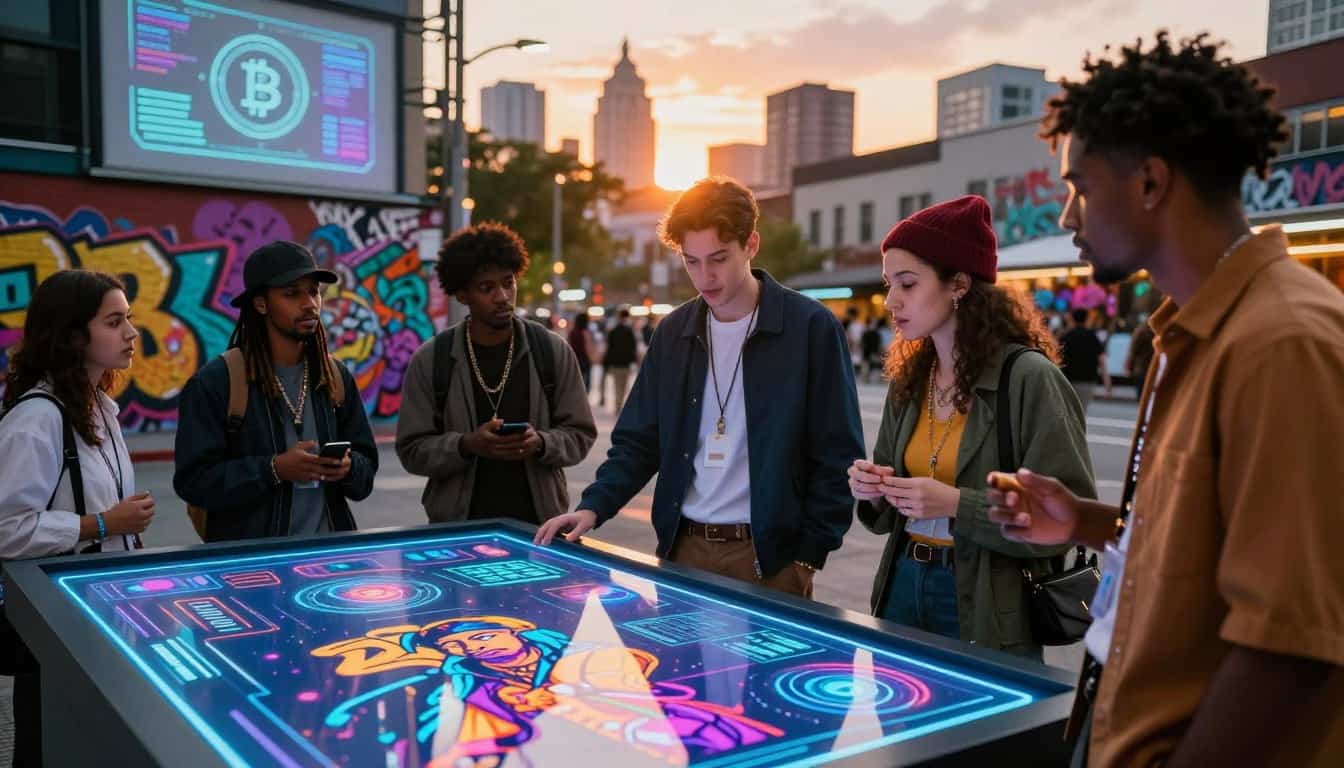
Modern hip-hop culture is currently undergoing a massive shift toward deeper, digital-first fan relationships. Artists are moving beyond traditional social media to build vibrant, token-based communities that reward loyalty. This evolution represents a significant change in how fans interact with their favorite creators.
By leveraging blockchain technology, musicians can now offer unique cultural expression through digital assets. These tools allow artists to bypass traditional gatekeepers and communicate directly with their most dedicated supporters. This direct line of communication fosters a sense of belonging that was previously difficult to achieve at scale.

Token-Gated Access to Concerts and Merchandise
Token-gated access serves as a powerful mechanism for rewarding the most committed fans. By holding a specific digital token, supporters can unlock exclusive perks such as early access to concert tickets or limited-edition merchandise. These online collectibles act as a digital key, granting entry to private Discord channels or secret pop-up events.
This model ensures that the most loyal fans receive priority treatment. It creates a tiered system where engagement is directly tied to tangible rewards. Consequently, artists can cultivate a more sustainable ecosystem that values quality interactions over mere follower counts.
Transforming Passive Listeners into Active Stakeholders
The transition from passive listener to active stakeholder is perhaps the most profound change in the music business. When fans hold tokens, they often gain a voice in the artist’s creative direction or community governance. This sense of ownership encourages fans to promote the artist’s work, as they have a vested interest in the success of the project.
This shift turns the fan base into a decentralized marketing engine. By integrating online collectibles into their brand, artists foster a community where everyone benefits from growth. The following table highlights the key differences between traditional fan models and the new Web3 approach.
| Feature | Traditional Model | Web3 Model |
|---|---|---|
| Fan Status | Passive Consumer | Active Stakeholder |
| Access | General Public | Token-Gated |
| Ownership | None | Digital Assets |
| Engagement | One-Way Marketing | Community Governance |
Investment Trends and Venture Capital in Hip-Hop Web3
The financial landscape of hip-hop is undergoing a radical transformation as venture capital firms turn their attention to the blockchain. Investors are no longer just looking at streaming numbers; they are analyzing the long-term value of virtual assets within the music ecosystem. This shift marks a significant departure from traditional music industry funding models.
Institutional Interest in Music-Based Digital Assets
Major institutional players are increasingly viewing hip-hop culture as a fertile ground for high-growth opportunities. These firms recognize that music-based digital assets offer a unique way to capture value directly from fan engagement. By backing platforms that utilize blockchain, investors aim to secure a stake in the future of music distribution.
This institutional interest is not limited to simple equity stakes in startups. Many firms are actively acquiring portfolios of exclusive music rights and royalty-bearing tokens. This strategy allows them to diversify their holdings while participating in the growth of the creator economy.
The Risks and Rewards for Early Adopters
Entering the Web3 space requires a deep understanding of both the music business and the volatility of cryptocurrency markets. Early adopters often face significant hurdles, including regulatory uncertainty and the rapid pace of technological change. However, those who navigate these challenges effectively can reap substantial rewards as these digital art ecosystems mature.
Investors must balance the potential for high returns against the inherent risks of emerging markets. While some projects may fail to gain traction, others could redefine how fans interact with their favorite artists. The following table outlines the primary investment vehicles currently driving this sector.
| Investment Type | Primary Benefit | Risk Level |
|---|---|---|
| Music NFTs | Direct Ownership | High |
| Governance Tokens | Platform Influence | Medium |
| Equity in Web3 Labels | Long-term Growth | Medium |
| Virtual Assets | Cultural Scarcity | High |
Ultimately, the integration of cryptocurrency and digital art into the hip-hop industry is still in its infancy. Investors who prioritize transparency and community-driven projects are likely to see the most sustainable growth. As the market stabilizes, these virtual assets will likely become a standard component of a diversified investment portfolio.
Future Outlook for the Hip-Hop Music Business
Looking ahead, the intersection of hip-hop and technology promises to redefine how we value creative output. As the music industry continues to evolve, artists are finding new ways to maintain control over their intellectual property. This shift is moving us toward a more transparent and artist-centric landscape.

Predicting the Next Wave of Technological Integration
The next phase of innovation will likely center on the convergence of artificial intelligence and decentralized finance. Artificial intelligence will allow producers to create complex soundscapes while managing rights through automated systems. These tools will help creators protect their work from unauthorized use in real-time.
Furthermore, decentralized finance will enable artists to launch their own micro-economies. By utilizing smart contracts, musicians can bypass traditional gatekeepers and receive instant payments. This evolution ensures that the music industry remains a space where talent is rewarded directly by the audience.
The Long-Term Sustainability of Web3 Models
For Web3 models to achieve lasting success, they must prioritize user experience and accessibility. The goal is to create a system where fans feel like active participants rather than just passive consumers. When fans hold a stake in an artist’s success, the entire ecosystem becomes more resilient.
Sustainability also depends on creating a more equitable environment for all participants. By reducing the reliance on massive intermediaries, the music industry can foster a healthier financial structure. This long-term vision supports a future where independent creators can thrive alongside major labels.
| Feature | Traditional Model | Web3 Model |
|---|---|---|
| Revenue Flow | Delayed/Intermediary | Instant/Direct |
| Ownership | Label-Controlled | Artist/Fan-Owned |
| Fan Role | Passive Listener | Active Stakeholder |
| Market Impact | Centralized | Decentralized |
Ultimately, the music industry is moving toward a model that values transparency and community. While challenges remain, the integration of these technologies provides a clear path toward a more balanced and profitable future for hip-hop artists worldwide.
Conclusion
The integration of blockchain technology into the music industry marks a permanent shift in how creators interact with their audience. Artists now possess the tools to bypass traditional gatekeepers and retain full control over their intellectual property.
This movement toward decentralization empowers musicians to build sustainable careers through direct fan support. While regulatory frameworks and environmental concerns remain part of the conversation, the momentum behind these digital assets continues to grow.
Stakeholders across the hip-hop landscape must adapt to these changing dynamics to remain relevant. Embracing these innovations allows for a more equitable ecosystem where value flows directly to the source of the creativity.
The path forward requires a commitment to transparency and community-driven growth. By leveraging these new models, the industry can foster a resilient environment that prioritizes the artist and the listener above all else.
Explore these emerging platforms to see how your favorite artists are reshaping the business of sound. Your participation helps define the next era of music history.

No Comments