

Hip Hop 2026: Why This Year Marks a Powerful Comeback for the Culture
Hip Hop 2026: Why This Year Marks a Powerful Comeback for the Culture! The landscape of hip-hop has always been dynamic, characterized by its ability to evolve and adapt to the changing cultural zeitgeist. As we step into 2026, the discourse surrounding the genre has intensified, with many questioning its vitality. Is hip-hop truly on the decline, or are we witnessing a resurgence? This article delves into the current state of hip-hop, exploring the factors contributing to its revival and the promising signs that indicate a bright future for the genre.
The Resilience of Hip-Hop Culture
Hip-hop culture has proven to be remarkably resilient over the decades. Emerging from the streets of the Bronx in the 1970s, it has grown into a global phenomenon that transcends borders and influences various aspects of society, from fashion to politics. Despite facing challenges, including commercialization and shifting musical trends, hip-hop continues to thrive.

Historical Context
To understand the current state of hip-hop, it’s essential to reflect on its historical context. The genre has undergone numerous transformations since its inception, with each era bringing forth new sounds and styles. From the socially conscious lyrics of the 1980s to the bling-bling era of the 2000s, hip-hop has always been a reflection of the times.
The Role of Innovation
Innovation has been a driving force behind hip-hop’s longevity. Artists continually push boundaries, experimenting with new sounds and techniques. This spirit of creativity is evident in the rise of sub-genres like trap, which has dominated the charts in recent years. As we move into 2026, this trend of innovation is set to continue, with new artists emerging to redefine the genre.
The Current Landscape of Hip-Hop
As we analyze the current landscape of hip-hop, it’s crucial to recognize the diverse range of voices and styles that are shaping the genre. While some may argue that hip-hop is losing its edge, a closer look reveals a vibrant community of artists who are breathing new life into the music.
The Rise of New Artists
2026 has seen a surge of new hip-hop artists making their mark on the industry. These emerging talents are not only bringing fresh perspectives but also challenging the status quo. With platforms like TikTok and SoundCloud providing avenues for discovery, many new hip-hop artists are gaining traction and building dedicated fan bases.
- Diverse Influences: New artists are drawing inspiration from various genres, blending elements of rock, pop, and electronic music into their hip-hop tracks. This fusion creates a unique sound that resonates with a broader audience.
- Authenticity and Storytelling: Many of these new artists prioritize authenticity in their lyrics, sharing personal stories and experiences that connect with listeners on a deeper level.
The Impact of Social Media
Social media has revolutionized how artists connect with their fans and promote their music. Platforms like Instagram, Twitter, and TikTok allow artists to engage directly with their audience, fostering a sense of community and loyalty.
- Viral Trends: The ability for a song to go viral on social media has become a powerful tool for artists. A catchy hook or dance challenge can propel a track to the top of the charts, showcasing the influence of modern hip-hop trends.
- Fan Engagement: Artists are leveraging social media to build relationships with their fans, sharing behind-the-scenes content and personal insights that create a sense of intimacy.
The Debate: Is Hip-Hop Dead?
The question of whether hip-hop is dead has been a recurring theme in discussions about the genre. While some critics argue that the music has become stale and formulaic, others contend that hip-hop is simply evolving.
The Argument for Decline
Critics point to the lack of innovation in mainstream hip-hop, citing repetitive themes and a reliance on commercial success. The dominance of certain artists and styles can create a perception that the genre is stagnant.

- Commercialization Concerns: The commercialization of hip-hop has led to concerns about authenticity. Some argue that artists prioritize commercial success over artistic integrity, resulting in a dilution of the genre’s core values.
- Generational Divide: The divide between older and younger artists has sparked debates about the future of hip-hop. Some veteran artists feel that the new generation lacks the lyrical depth and storytelling ability that defined earlier eras.
The Counterargument: A New Era of Creativity
Despite these concerns, many believe that hip-hop is entering a new era of creativity. The emergence of diverse voices and innovative sounds suggests that the genre is far from dead.
- Cultural Relevance: Hip-hop continues to address social issues and reflect the experiences of marginalized communities. This cultural relevance ensures that the genre remains vital and impactful.
- Collaborative Spirit: The collaborative nature of hip-hop fosters creativity, with artists from different backgrounds coming together to create unique sounds. This spirit of collaboration is a hallmark of the genre’s evolution.
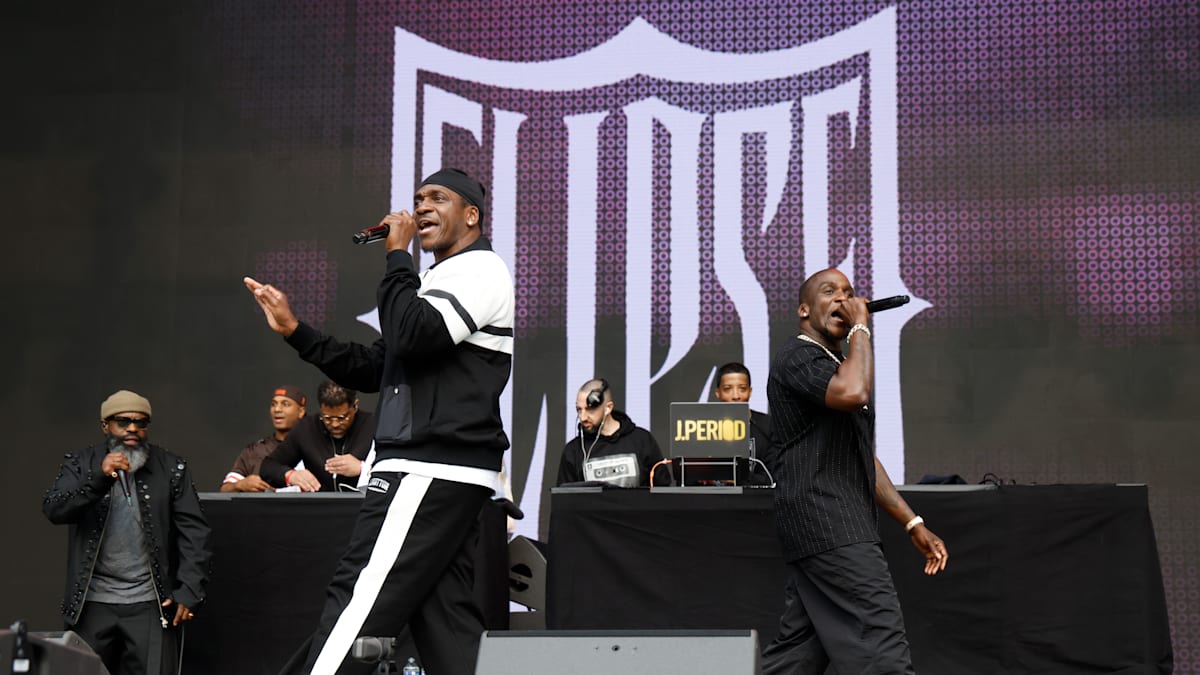
Image Source: AudioPhix
The Hip-Hop Comeback of 2026
As we look ahead to 2026, there are several indicators that suggest a hip-hop comeback is underway. The genre is poised for a resurgence, driven by innovation, community engagement, and a renewed focus on authenticity.
Innovative Sounds and Styles
The future of hip-hop lies in its ability to adapt and innovate. Artists are experimenting with new sounds, incorporating elements from various genres to create fresh and exciting music.
- Genre Blending: The fusion of hip-hop with genres like rock, jazz, and electronic music is gaining popularity. This blending of styles not only attracts new listeners but also keeps the genre dynamic.
- Production Techniques: Advances in technology have opened up new avenues for production, allowing artists to experiment with sounds and techniques that were previously inaccessible.
Community and Collaboration
The sense of community within hip-hop is stronger than ever. Artists are collaborating across genres and regions, creating a rich tapestry of sounds that reflects the diversity of the culture.
- Support for Emerging Artists: Established artists are increasingly supporting new talent, providing mentorship and collaboration opportunities that help elevate the next generation.
- Grassroots Movements: Local hip-hop scenes are thriving, with grassroots movements promoting independent artists and fostering a sense of belonging within the community.
The Future of Hip-Hop: What Lies Ahead
As we move further into 2026, the future of hip-hop looks promising. The genre’s ability to adapt and evolve will be crucial in maintaining its relevance in an ever-changing musical landscape.
Embracing Change
Hip-hop has always been about embracing change and pushing boundaries. The willingness of artists to experiment and take risks will be essential in shaping the genre’s future.
- New Platforms: The rise of streaming services and social media will continue to influence how music is consumed and promoted. Artists who leverage these platforms effectively will thrive in the evolving landscape.
- Cultural Impact: Hip-hop’s cultural impact will remain significant, as artists use their platforms to address social issues and advocate for change.
A Call for Authenticity
As hip-hop continues to evolve, the call for authenticity will remain paramount. Artists who prioritize genuine storytelling and connection with their audience will resonate most with listeners.

- Lyrical Depth: The emphasis on lyrical depth and storytelling will be crucial in distinguishing artists in a crowded market. Fans are increasingly seeking substance in their music.
- Cultural Responsibility: Hip-hop artists have a unique opportunity to influence culture positively. By addressing social issues and advocating for change, they can ensure that the genre remains relevant and impactful.
Conclusion: The Resurgence of Hip-Hop 2026 – Comeback Loading
In conclusion, hip-hop is far from dead; rather, it is experiencing a renaissance in 2026. The genre’s resilience, coupled with the emergence of new artists and innovative sounds, suggests that a comeback is underway. As hip-hop continues to evolve, it will remain a powerful force in music and culture, reflecting the experiences and aspirations of diverse communities. The future of hip-hop is bright, and its ability to adapt and innovate will ensure its place in the musical landscape for years to come.
This article encapsulates the essence of hip-hop’s current state and its promising future, emphasizing the genre’s resilience and capacity for innovation. The insights provided reflect the ongoing discussions within the hip-hop community, showcasing the vibrant culture that continues to thrive in 2026.

No Comments