

AI in Hip-Hop: Is Artificial Intelligence Taking Over the Music Industry?
AI in Hip-Hop: Is Artificial Intelligence Taking Over the Music Industry? The rise of artificial intelligence (AI) in various sectors has sparked a significant transformation in the music industry, particularly within the realm of hip-hop. As technology continues to evolve, the integration of AI in hip-hop raises questions about creativity, authenticity, and the future of artists in this genre. This article delves into the implications of AI in hip-hop, exploring its potential benefits and challenges, while addressing the concerns of artists and industry stakeholders.
The Emergence of AI in Hip-Hop
AI’s infiltration into hip-hop is not a sudden phenomenon; rather, it has been a gradual process that has gained momentum in recent years. The advent of AI-generated songs has allowed for the creation of music that mimics the styles of renowned artists, leading to a surge in interest and experimentation within the genre. This technological advancement has opened doors for new collaborations and creative possibilities, but it has also raised ethical concerns regarding the authenticity of the music being produced.

Historical Context
The use of technology in music creation is not new. From the early experiments in computer-generated compositions to the sophisticated AI tools available today, the music industry has a long history of embracing innovation. However, the current wave of AI in hip-hop presents unique challenges, particularly as it relates to the preservation of artistic integrity and the rights of musicians.
AI-Generated Music: A Double-Edged Sword
While AI-generated music can enhance creativity and streamline the production process, it also poses a threat to traditional artistry. The ability to create songs that sound remarkably similar to those of established artists raises questions about originality and ownership. As AI continues to evolve, the line between human creativity and machine-generated content becomes increasingly blurred.
The Impact of AI on Music Production
The integration of AI in music production has transformed the way artists create and distribute their work. Producers and sound engineers are leveraging AI tools to enhance their workflows, allowing them to focus on more innovative aspects of music creation. However, this shift also brings about concerns regarding job security and the potential devaluation of human artistry.
Streamlining the Production Process
AI technology can automate repetitive tasks such as mixing and mastering, enabling producers to allocate more time to creative experimentation. This efficiency can lead to the emergence of new sounds and genres, pushing the boundaries of hip-hop. However, the reliance on AI tools may also result in a homogenization of music, as artists may inadvertently conform to the patterns established by AI algorithms.
Job Displacement Concerns
As AI continues to advance, there is growing apprehension among music professionals about job displacement. The fear that AI could replace human musicians and producers is not unfounded, as the technology becomes increasingly capable of generating high-quality music. This raises important questions about the future of the music industry and the role of human artists within it.
Ethical Considerations in AI Music
The rise of AI in hip-hop brings forth a myriad of ethical dilemmas that must be addressed. From issues of copyright infringement to the potential exploitation of artists’ likenesses, the implications of AI-generated music are far-reaching.
Copyright and Ownership Issues
One of the most pressing concerns surrounding AI-generated music is the question of copyright. As AI systems are trained on existing music, there is a risk that they may inadvertently replicate copyrighted material. This raises legal questions about ownership and the rights of artists whose work is used to train AI models without their consent.
The Ethics of AI-Generated Content
The ethical implications of using AI to create music extend beyond copyright issues. The ability to generate songs that mimic the voices of established artists raises concerns about authenticity and the potential for exploitation. Artists may find themselves in precarious situations where their likeness is used without permission, leading to a loss of control over their creative output.

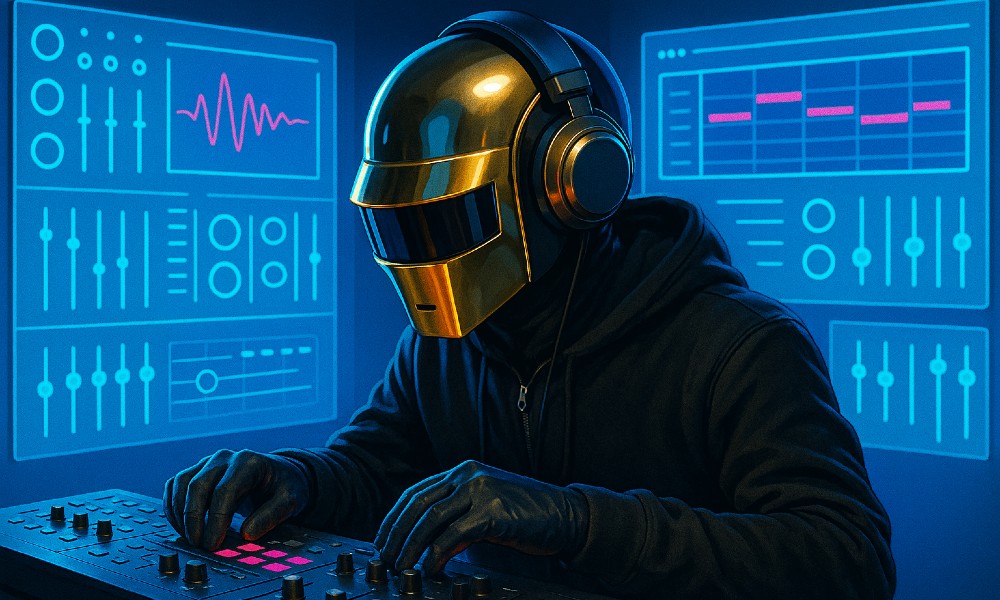
Image Source: Ditto Music
The Future of Hip-Hop in the Age of AI
As AI continues to shape the landscape of hip-hop, the future of the genre remains uncertain. While some artists embrace the technology as a tool for innovation, others express skepticism about its impact on creativity and authenticity.
Embracing Innovation
Many artists and producers view AI as an opportunity to push the boundaries of hip-hop. By leveraging AI tools, they can explore new sounds and collaborate with virtual artists, leading to exciting and unexpected musical outcomes. This willingness to embrace innovation may ultimately redefine the genre and expand its creative possibilities.
Resistance to Change
Conversely, there is a growing movement among artists who resist the integration of AI into hip-hop. They argue that the essence of the genre lies in its human experience and emotional depth, which cannot be replicated by machines. This resistance highlights the ongoing tension between technological advancement and the preservation of artistic integrity.
AI vs. Human Artists: A New Paradigm
The emergence of AI-generated music has sparked a debate about the role of human artists in the industry. As AI continues to improve, the distinction between human-created and machine-generated content becomes increasingly blurred.
The Value of Human Creativity
While AI can produce music that mimics established styles, it lacks the emotional depth and personal experiences that human artists bring to their work. The unique perspectives and narratives that artists convey through their music are irreplaceable, emphasizing the importance of human creativity in the industry.
The Role of Collaboration
Rather than viewing AI as a threat, some artists see it as a potential collaborator. By combining human creativity with AI-generated elements, artists can create innovative and genre-defying music that pushes the boundaries of hip-hop. This collaborative approach may pave the way for a new era of creativity in the genre.
Navigating the Challenges Ahead
As the music industry grapples with the implications of AI, it is essential for artists, producers, and industry stakeholders to navigate the challenges ahead. This includes addressing ethical concerns, advocating for copyright protections, and fostering a culture of collaboration between human artists and AI technology.
Advocating for Copyright Protections
To protect the rights of artists in the age of AI, it is crucial to establish clear copyright protections that address the unique challenges posed by AI-generated content. This may involve updating existing laws to ensure that artists retain control over their likenesses and creative output.
Fostering Collaboration and Innovation
Encouraging collaboration between human artists and AI technology can lead to exciting new developments in hip-hop. By embracing innovation while maintaining a commitment to artistic integrity, the industry can navigate the complexities of AI and create a vibrant future for the genre.
Conclusion
The integration of AI in hip-hop presents both opportunities and challenges for artists and the industry as a whole. While AI-generated music has the potential to enhance creativity and streamline production processes, it also raises important ethical questions about authenticity, ownership, and the role of human artists. As the landscape of hip-hop continues to evolve, it is essential for artists to embrace innovation while advocating for their rights and preserving the essence of the genre. The future of hip-hop in the age of AI is uncertain, but by navigating these challenges thoughtfully, artists can shape a vibrant and inclusive musical landscape.

This article provides a comprehensive overview of the impact of AI on hip-hop, addressing the concerns and opportunities presented by this technological advancement. By exploring the ethical implications and the future of the genre, it aims to foster a deeper understanding of the evolving relationship between AI and music.

No Comments